

industry
Canadian EV Market Share 2026: Who Is Winning
Canada’s EV market share continued climbing in 2026. Here is which brands and models gained ground, which fell behind, and what the sales data means for buyers.
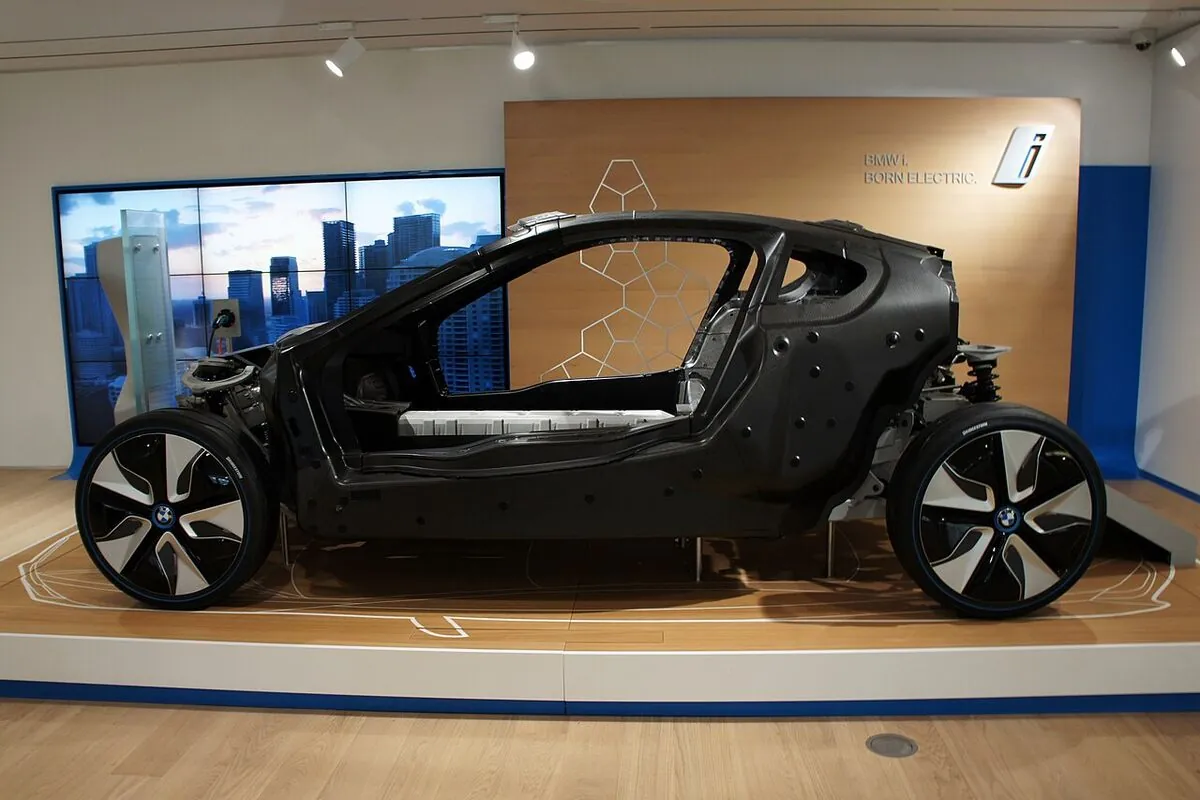
Canada’s EV market share inched higher in 2026 as new model availability improved and federal and provincial incentives continued to lower effective prices. The overall picture is positive for electrification, but the competitive landscape shifted: some traditional leaders lost share to value-oriented models, while luxury EV sales cooled after several years of rapid growth. Understanding these trends helps buyers choose models with strong resale value and long-term support.
Market Leaders
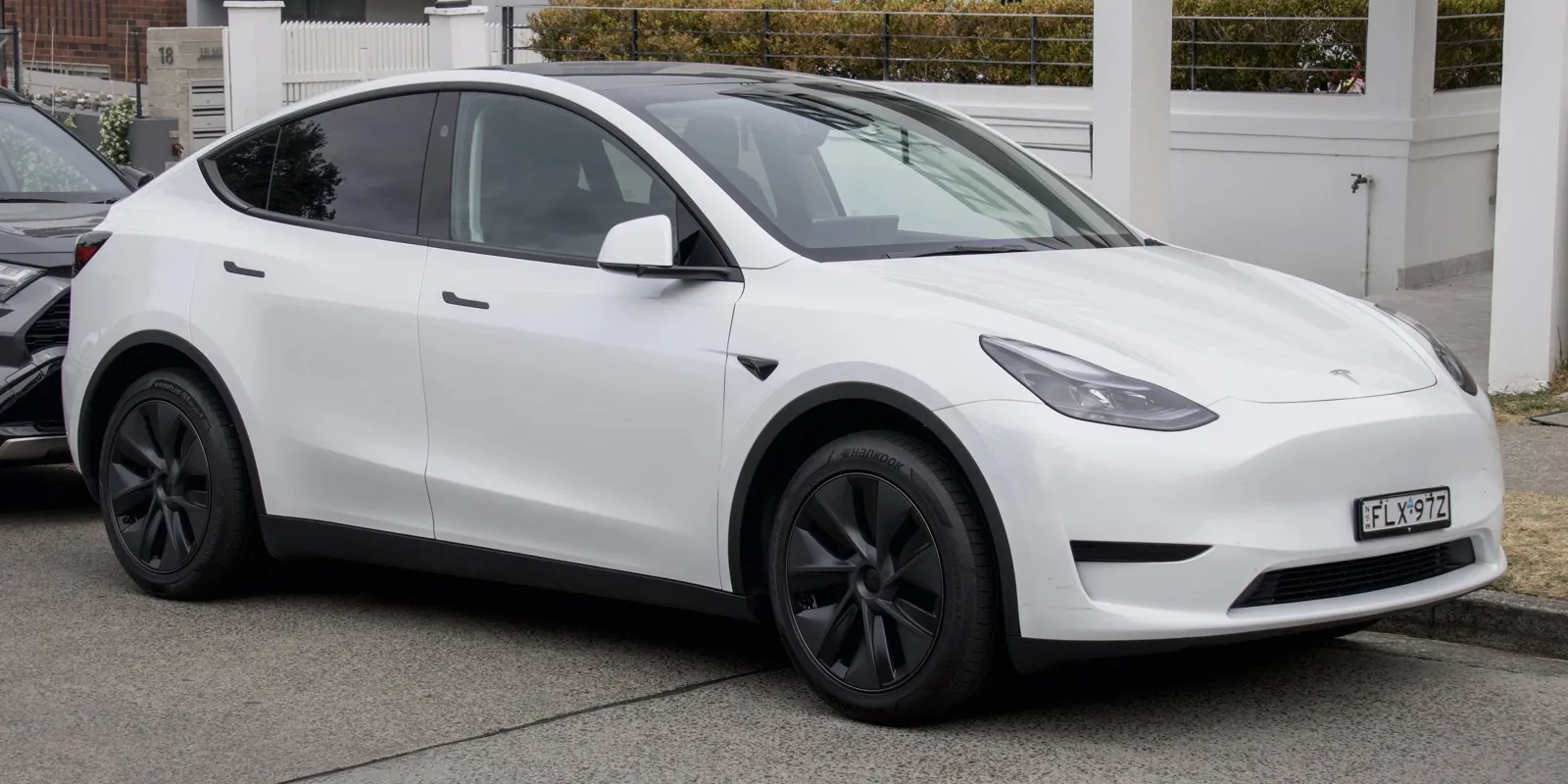
Tesla remains the dominant EV brand in Canada by volume, but its share of the overall EV segment has softened as more competitors enter. The Tesla Model Y and Model 3 still combine for the largest slice of EV sales, but their combined percentage of total new-vehicle sales declined slightly as Honda, Hyundai, Kia, and Chevrolet gained traction. Tesla’s strength remains its charging network and software ecosystem, but buyers now have more practical alternatives than they did two years ago.
Fastest-Gaining Brands
Hyundai and Kia together represent one of the fastest-growing EV presences in Canada. The Ioniq 5, Ioniq 6, EV6, and EV9 cover multiple segments, and their pricing is aggressive before incentives. Chevrolet’s Equinox EV and Blazer EV are gaining fleet and family buyer attention, while the reintroduction of the Bolt nameplate in EV form could add affordable-market volume. Volvo and Polestar continue to grow slowly in the premium segment, supported by strong safety reputations.
Plug-In Hybrid Performance
Plug-in hybrid sales remain meaningful in Canada, especially in Quebec and Ontario, where buyers use them as bridge vehicles until charging infrastructure matures. The Toyota RAV4 Prime and Hyundai Tucson PHEV lead the segment, followed by Ford’s Escape PHEV and Subaru’s Crosstrek PHEV. These vehicles offer electric commuting capability with gasoline backup, which reduces range anxiety for buyers without dedicated home charging.
What the Data Means for Buyers
A growing market share means more choices, better parts availability, and stronger resale liquidity for popular models. Buyers should favor brands with rising Canadian sales because those vehicles will hold value better and have stronger service networks. Models from brands losing EV share may be discounted, but they carry higher long-term ownership risk if the manufacturer pulls back on EV investment or discontinues the model line.
Looking for EV deals, insurance, or financing? Check out our partner deals and offers.
If you found this guide helpful, use our Tesla referral link for free Supercharging credits on a new Tesla purchase or lease in Canada.
Next story · swipe left
Next story
Tesla Model Y Wait Times in Canada Stretch Into 2027: What Buyers Can Do
5 min read
Canadian Model Y delivery estimates have slipped from about six weeks to as far as 2027. Why the delays hit Canada, which trims are affected, and your realistic options.
The Charge Brief
Get Canada’s EV transition in your inbox
One email a day. No spam, unsubscribe anytime.