
vehicles
Safest Electric Cars in Canada 2026: Crash-Test Winners and What to Check
The safest electric cars sold in Canada in 2026 — IIHS Top Safety Pick winners, the IIHS/NHTSA investigations to know about, and the battery-specific safety checks buyers miss.
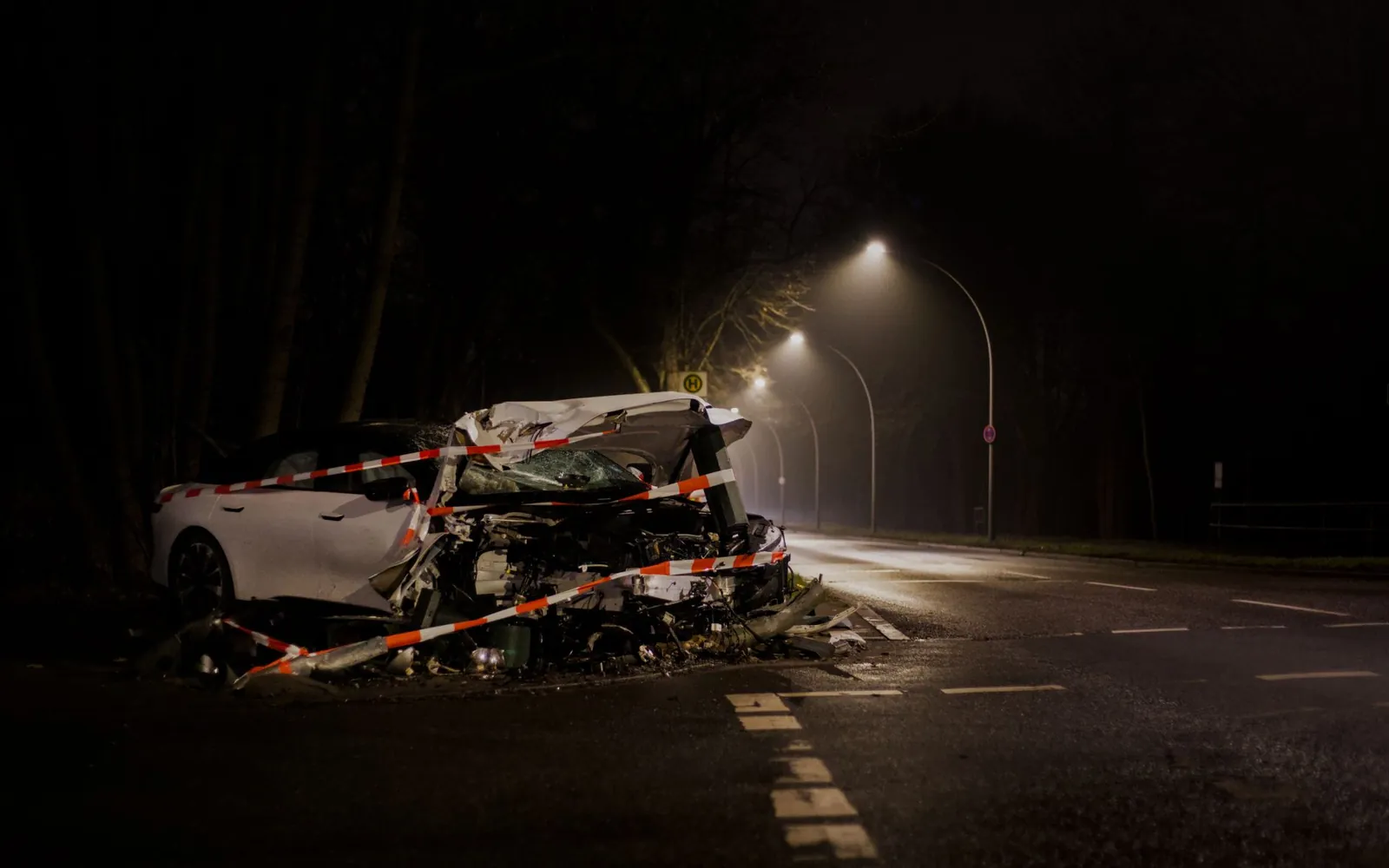
The safest electric cars in Canada in 2026 are the models with top crash-test ratings on both sides of the border — and the list rewards boring diligence more than brand loyalty. Tesla's Model 3 and Model Y, Hyundai/Kia's EV6/Ioniq 5/EV3 family, and the Volvo/Polestar duo consistently anchor the top tier, while NHTSA's open investigation into Model 3 and Model Y suspension (opened in late July) is the kind of caveat a careful buyer tracks rather than panics over. Here is how to actually shop EV safety in Canada.
Where the top ratings sit
Canadian buyers inherit the U.S. testing infrastructure: IIHS (Insurance Institute for Highway Safety) ratings and NHTSA's five-star program cover the models Canada gets, and Transport Canada aligns with their protocols. The consistent top performers among Canadian-market EVs: Tesla Model 3 and Model Y (long-standing IIHS top-tier picks, structure reinforced in the battery-floor era), Hyundai Ioniq 5 / Kia EV6 (strong IIHS showings, EV6 a Top Safety Pick), Volvo EX30/EC40 and Polestar 2/3 (Volvo's structural legacy, Euro NCAP leaders), and Toyota bZ4X/Subaru Solterra twins with solid mainstream ratings. The Kia EV3 — the new Canadian value benchmark — is the one to watch for its North American test cycle results as deliveries mature.
The investigations and recalls to know about
NHTSA opened an investigation into Tesla Model 3 and Model Y over potential suspension failure, affecting a large build population; Canadian drivers get the spillover since North American builds share the suspension design. The right posture: check your VIN against open recalls (Transport Canada's recall database mirrors U.S. actions quickly), and treat an open investigation as a monitoring item, not a disqualifier — most investigations close without a recall, and Tesla's recall remedy rate via over-the-air fixes is fast when one lands. This is also why EV recalls are softer than they sound: software remedies arrive overnight without a dealer visit, as Tesla's China recall actions demonstrated.
Battery safety: the checks buyers miss
EV-specific safety has three practical checks beyond crash stars. Fire statistics: EVs ignite at lower rates per mile than gasoline cars — the fear is vivid but the data runs the other way; thermal-runaway events are rarer and slower-developing than fuel fires. Battery integrity on used buys: any used EV with a salvage history or undercarriage damage needs a battery inspection before purchase — case damage is the genuine thermal risk vector. Charging safety at home: a code-compliant Level 2 installation with the right breaker and wiring is the home-safety equivalent of a crash rating; cut-rate installs are how home incidents happen.
Weight, quiet, and the honest trade-offs
EVs carry 20–30 percent more weight than equivalent gas cars, which buys structural advantage in single-vehicle crashes (mass wins physics) but demands more from tires and braking. Two follow-ons: buy the EV-rated tires your model specifies (load ratings matter at these weights), and value the newest automatic-emergency-braking generations — the heavier the vehicle, the more the driver-assist stack earns its keep. Noise is the subtle one: pedestrians hear EVs less at low speed, which is why Canadian regulations mandate low-speed alert sounds on new EVs; it is a feature, not a fault.
The bottom line
Shop EV safety the way you shop any car: top IIHS/NHTSA ratings first, recall history second, battery inspection third (non-negotiable on used). The 2026 Canadian market's safest picks cluster where they always did — Model 3/Y, Ioniq 5/EV6, Volvo/Polestar — and the suspensions investigation is a check-the-database item, not a story. The safest EV is the top-rated one with fresh tires, a clean recall sheet, and a properly installed home charger behind it.
Looking for EV deals, insurance, or financing? Check out our partner deals and offers.
If you found this guide helpful, use our Tesla referral link for free Supercharging credits on a new Tesla purchase or lease in Canada.

Next story · swipe left
Next story
Is EV Charging Safe in Rain and Snow? What Canadian Drivers Should Know
4 min read
Charging an EV in Canadian rain, snow, and -30°C — how connector safety actually works, why the real winter risk is different, and the charging habits that matter.
The Charge Brief
Get Canada’s EV transition in your inbox
One email a day. No spam, unsubscribe anytime.