
infrastructure
chargingIs EV Charging Safe in Rain and Snow? What Canadian Drivers Should Know
Charging an EV in Canadian rain, snow, and -30°C — how connector safety actually works, why the real winter risk is different, and the charging habits that matter.

Yes — charging an EV in rain and snow is safe. Public DC fast chargers and home wall connectors are engineered as outdoor electrical equipment with sealed connectors, insulated couplers, and ground-fault protection that shuts power in milliseconds if current strays. Canadian winters are among the harshest charging environments on Earth, and the systems are designed for exactly that. The genuine winter risks are different from what most people fear: they are about ice in the wrong places, cable stiffness, and battery chemistry — not electrocution. Here is the breakdown.
Why wet-weather charging is engineered to be safe
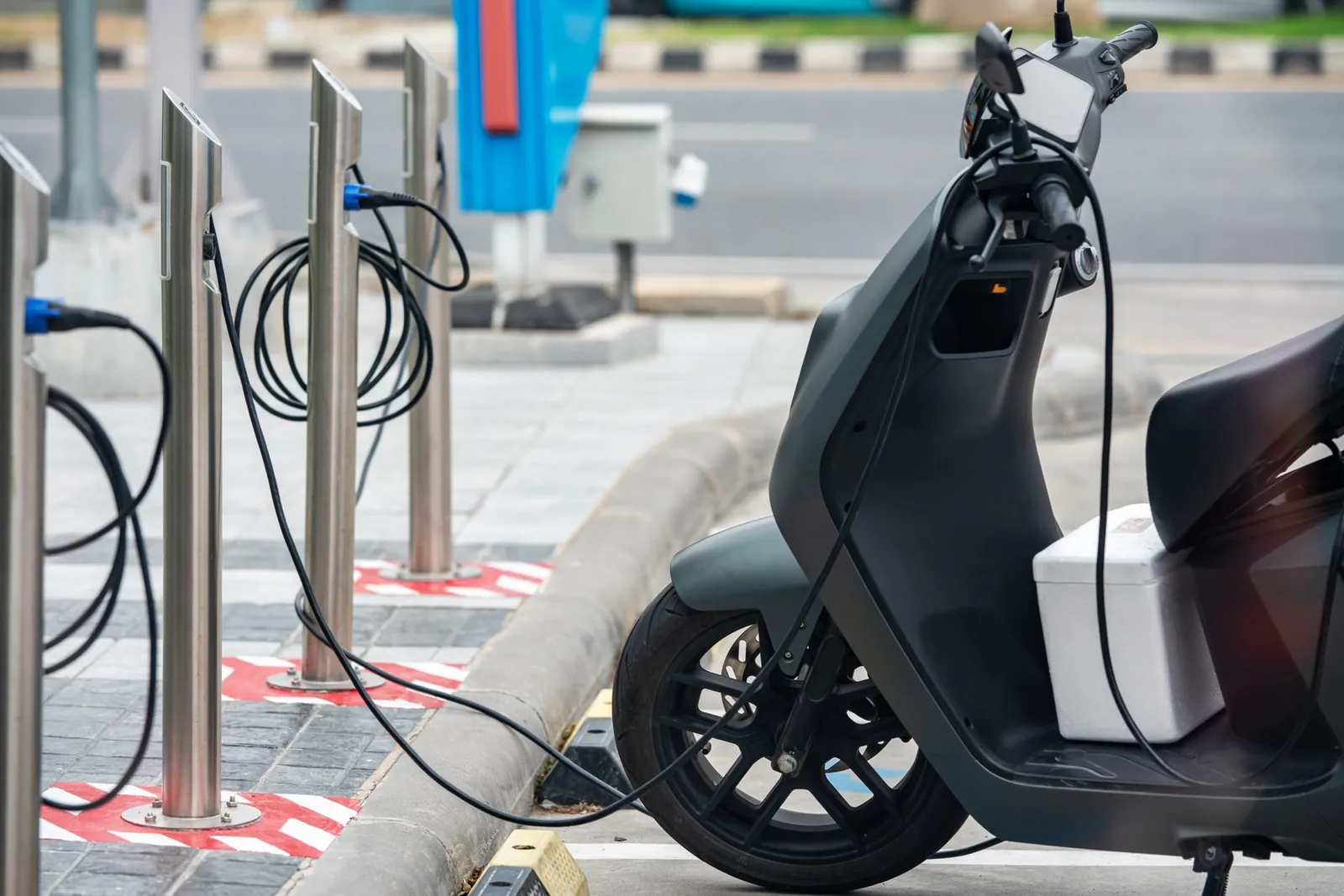
Every public charger connector and every EV inlet must meet ingress-protection standards that require the electrical contacts to be protected against sprayed and jetted water — a J1772 or CCS coupler is a sealed, insulated system where the power pins only energize after the vehicle and station handshake completes. The connector does not "arc" in rain; the control-pilot handshake verifies continuity before full current flows, and ground-fault and overcurrent protection cut power on any detected fault. The one honest caveat: a damaged connector, cracked cable, or inlet with debris bypasses the engineering. Inspect couplers at neglected stations and report damage in PlugShare — the weather risk that exists is mechanical damage, not weather itself.
The actual Canadian winter risks
Ice is the real enemy, in three forms. Ice in the inlet: a thaw-freeze cycle can glaze the vehicle's charge port; chip nothing — use the vehicle's charge-port preconditioning or the app's melt cycle (most Canadian-market EVs include port heaters). Ice on the coupler latch: a latch that has not fully seated can fault the session; clear it, reseat, and confirm the click. Cable stiffness: at -30°C, DC cables lose flexibility and refuse to coil; guide rather than force them. None of these are safety hazards to you — they are session reliability hazards, and they explain most winter charging complaints in Canada.
Battery chemistry, not shocks, is the winter story
Cold batteries charge slowly until warmed: a pack at -20°C may accept a fraction of its rated rate until thermal management catches up, which is why preconditioning — warming the battery en route via navigation to a fast charger — is the single highest-impact winter habit. It restores rated charging speed, protects pack longevity, and costs range you would lose to cabin heating anyway. Snow-covered lane-marking cameras are an autonomy problem, not a charging one; the charger cares about your battery temperature, not your driveway.
Home charging in winter
A properly installed Level 2 home station (hardwired or NEMA-equipped, installed to code by a licensed electrician) is outdoor-rated equipment. Keep the inlet clear of snow before plugging in, do not force a frozen latch, and let scheduled off-peak charging warm the port slightly before your departure window. If your home connector lives in a garage, you have no weather exposure at all — which is one more reason home charging is the Canadian EV owner's superpower.
The bottom line
The fear of charging in rain is inherited from a sensible rule about extension cords, not from EV engineering. Sealed couplers, handshake-before-power, and ground-fault protection make weather a non-event. What Canadian drivers should actually optimize: port preconditioning, battery preconditioning before fast charging, and gentle handling of stiff winter cables. Charge in the storm; plan for the ice.
Looking for EV deals, insurance, or financing? Check out our partner deals and offers.
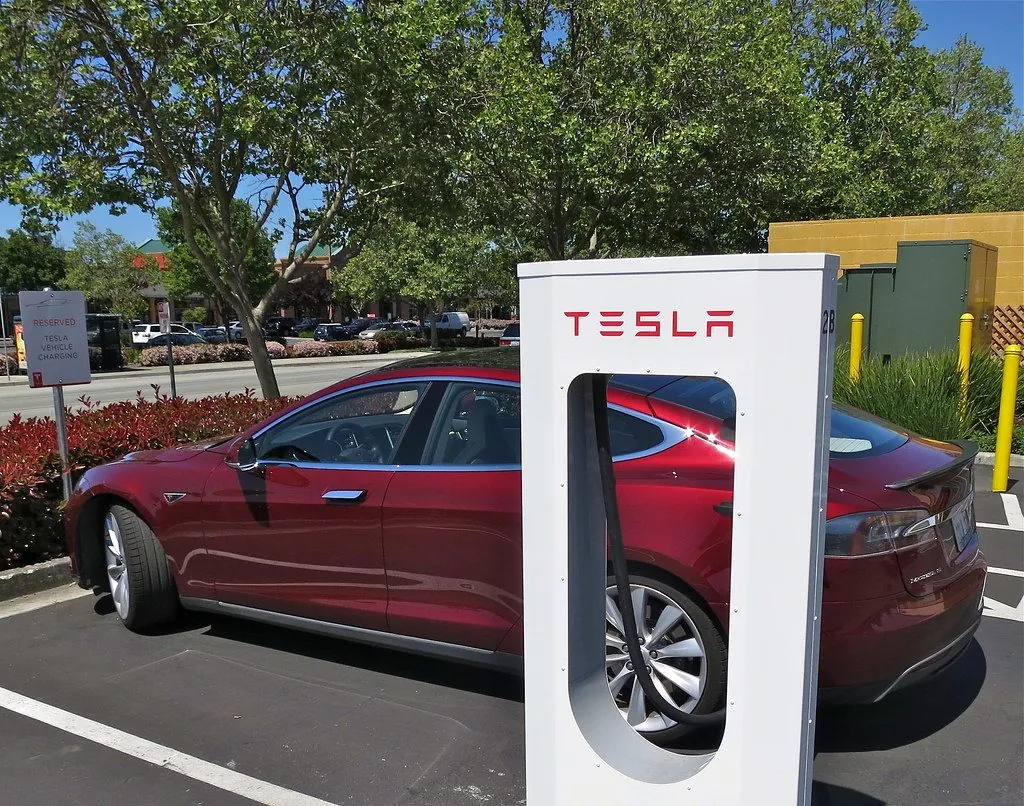
If you found this guide helpful, use our Tesla referral link for free Supercharging credits on a new Tesla purchase or lease in Canada.
Next story · swipe left
Next story
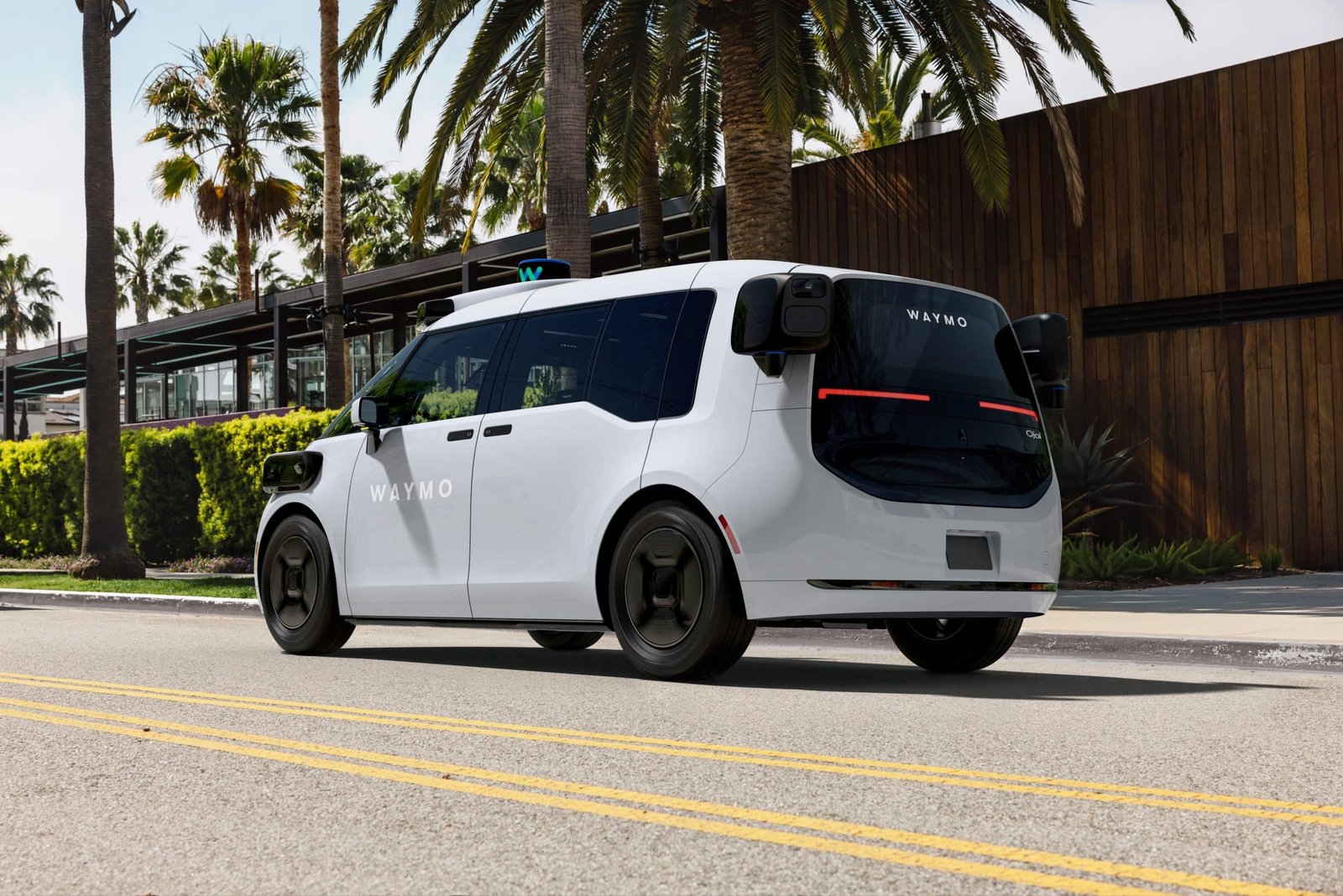
Waymo Plans 20,000 Robotaxis by 2027, Including Canadian Cities
4 min read
Waymo aims to grow its autonomous fleet to 20,000 vehicles by 2027. The Alphabet unit already operates in seven U.S. cities and is evaluating Toronto and Vancouver for its first international expansion.
The Charge Brief
Get Canada’s EV transition in your inbox
One email a day. No spam, unsubscribe anytime.