
infrastructure
The Real Barrier to EV Adoption in Canada Isn't Price — It's the Urban Apartment
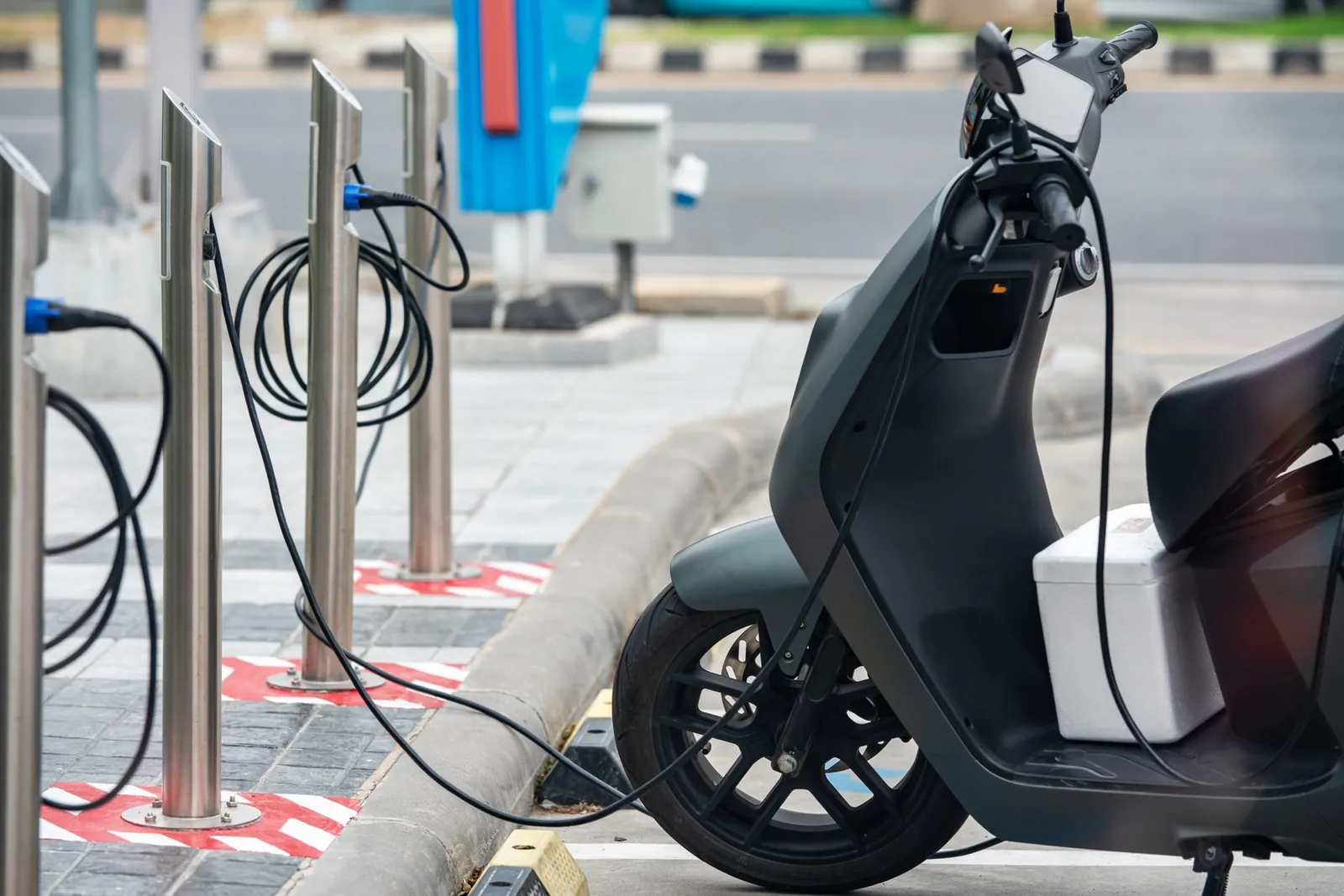
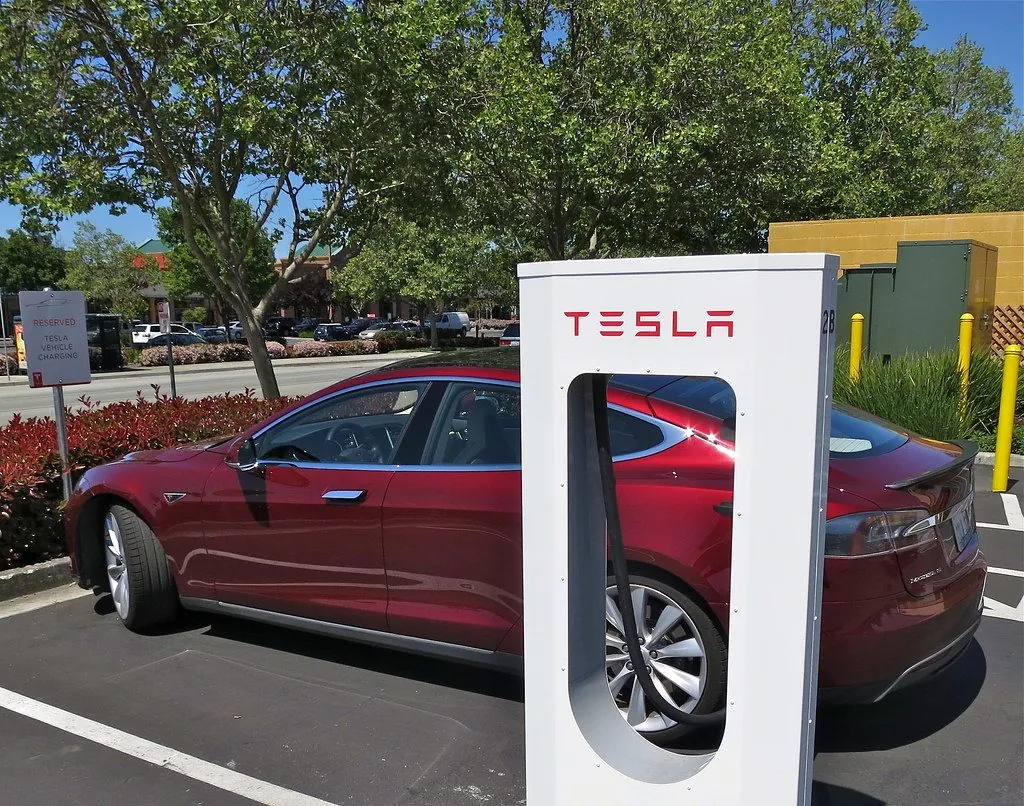
Canadian EV ownership is rising, but the data shows a persistent gap: drivers who park in garages or driveways adopt EVs at three to four times the rate of drivers who rely on street parking or underground lots with no dedicated charging.
The national conversation about electric-vehicle adoption in Canada keeps returning to price: purchase incentives, lease rates, the gap between EV and comparable gasoline models. Price matters, but the data from several provinces tells a more specific story. The strongest predictor of whether a household buys an EV is not income — it is whether the household has a dedicated off-street parking space where a charger can be installed.
The parking gap, quantified
Statistics Canada data and several provincial EV-registration studies converge on the same finding: EV ownership in single-detached homes with garages runs three to four times the rate of EV ownership in multi-unit residential buildings, even when household income is held constant. In Toronto and Vancouver, where roughly half of households live in apartments or condos, the parking gap translates directly into an adoption ceiling that purchase subsidies cannot bypass.
Why chargers in apartment buildings are hard
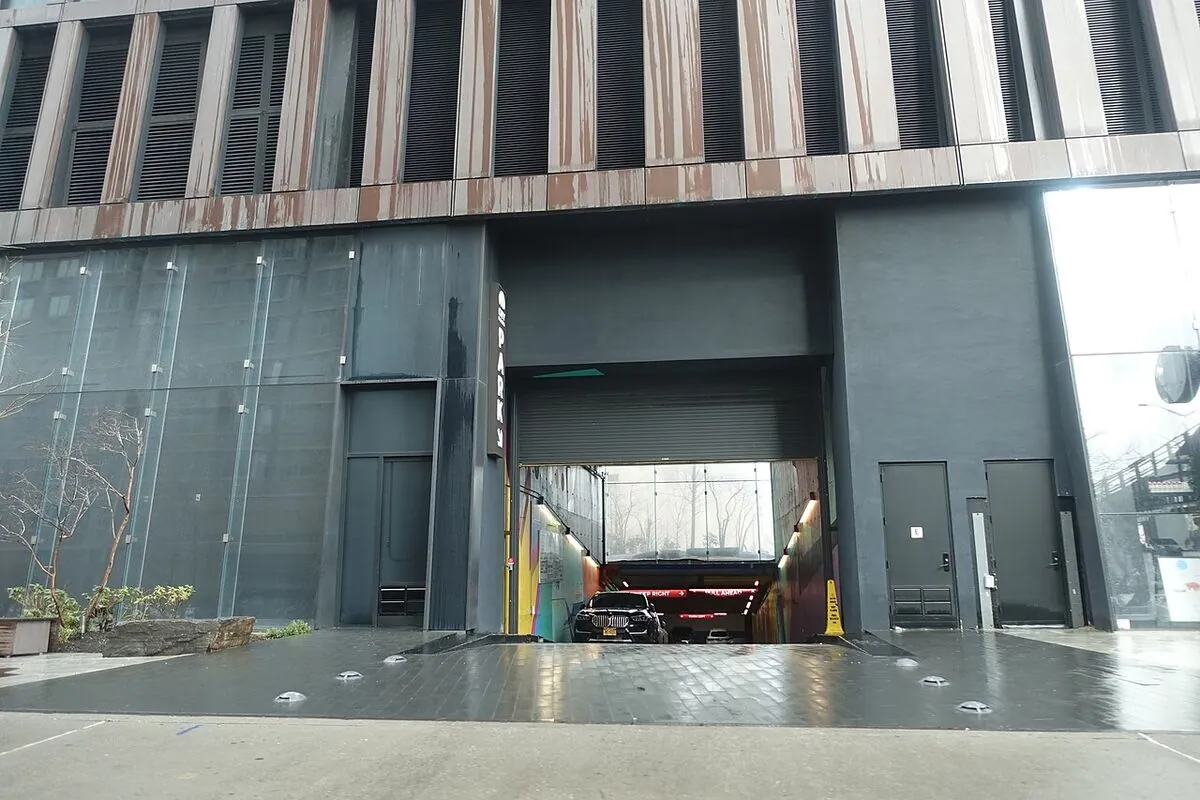
Adding chargers to an existing multi-unit building involves three problems that do not exist for a detached garage: electrical panel capacity, which is often already near its limit in older buildings; load management, because a dozen EVs charging simultaneously can exceed the building's service; and cost allocation, because the landlord, condo board, and tenants must agree on who pays for infrastructure and who pays for electricity. Each of those problems is solvable. Together, they are a coordination problem that slows adoption in the places — dense cities — where adoption would have the biggest impact on urban air quality.
The policy response is catching up
British Columbia's new charger-readiness mandate for new construction is the most direct policy response, because it prevents the problem from getting worse as the housing stock turns over. Quebec's existing mandate has produced measurable results. Ontario's current approach relies on retrofit grants, which are useful but slower. The Canadian federal government has signaled interest in a national building-code standard, which would be the most effective lever available, because it would apply uniformly to the roughly quarter-million new multi-unit units that will be built in the next decade.
The honest read
EV adoption in Canada will continue to accelerate in suburbs and smaller cities where home charging is straightforward. The gap will persist in the downtowns and transit corridors where the environmental case for electrification is strongest, unless the charging gap in multi-unit buildings is addressed at the same scale as the purchase-incentive programs that have driven the suburban market. Price subsidies cannot install a charger in an underground parkade. Infrastructure policy has to do that part.
Looking for EV deals, insurance, or financing? Check out our partner deals and offers.
If you found this guide helpful, use our Tesla referral link for free Supercharging credits on a new Tesla purchase or lease in Canada.
Next story · swipe left
Next story
Tesla to nearly double Supercharger stalls in Merritt, B.C.
3 min read
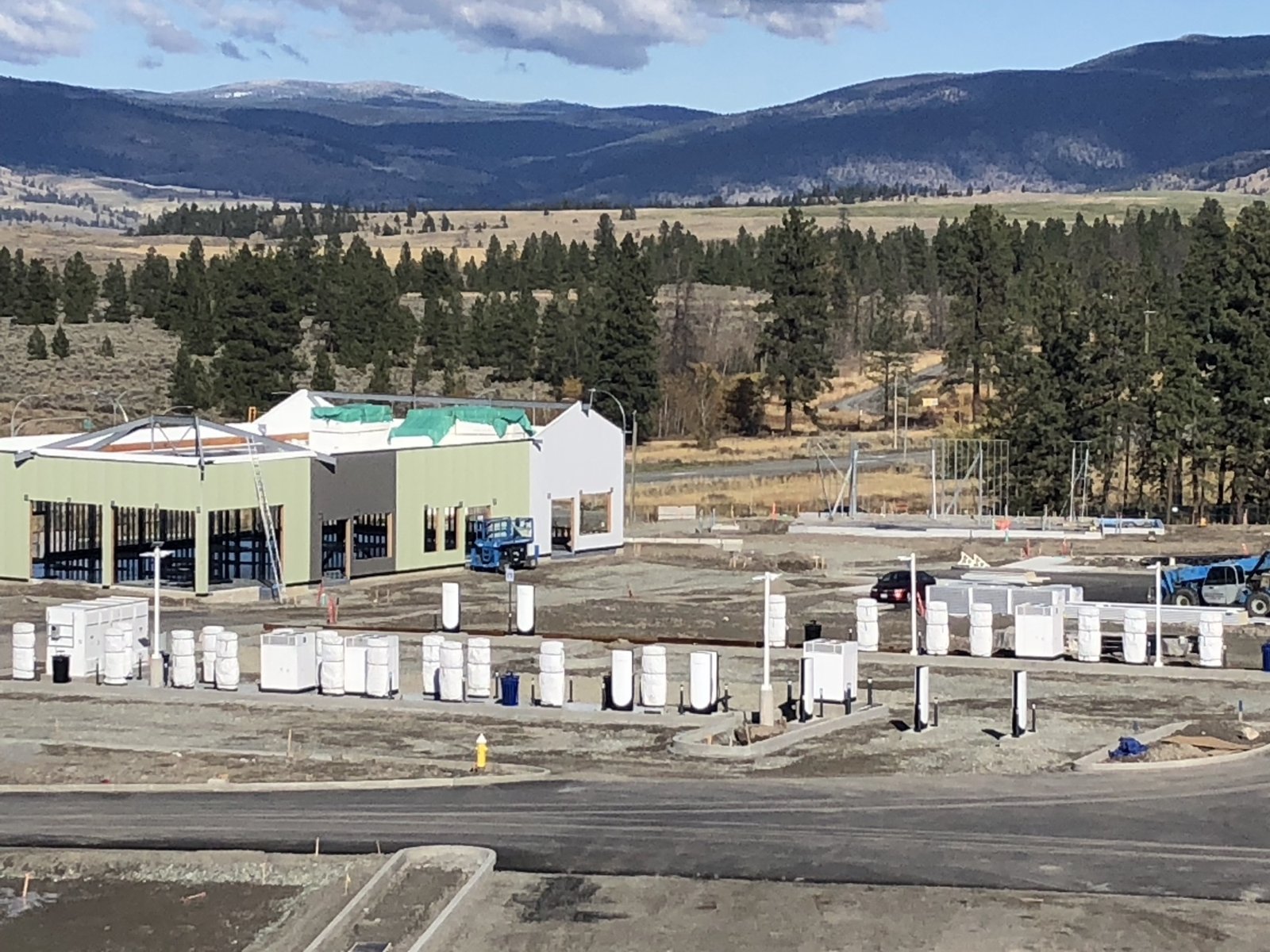
Tesla is building a 32-stall Supercharger site on the former Merritt Visitor Centre property, adding major fast-charging capacity along the Coquihalla Highway.
The Charge Brief
Get Canada’s EV transition in your inbox
One email a day. No spam, unsubscribe anytime.