
policy
powerHydro-Québec Wants to Triple Wind Power — and a Coalition Is Marching for a Moratorium
Several hundred protesters marched in Quebec City on September 7 demanding a moratorium on new wind projects and a province-wide BAPE hearing, as Hydro-Québec's plan to triple wind capacity becomes the largest near-term piece of its supply buildout for EVs and electrification.
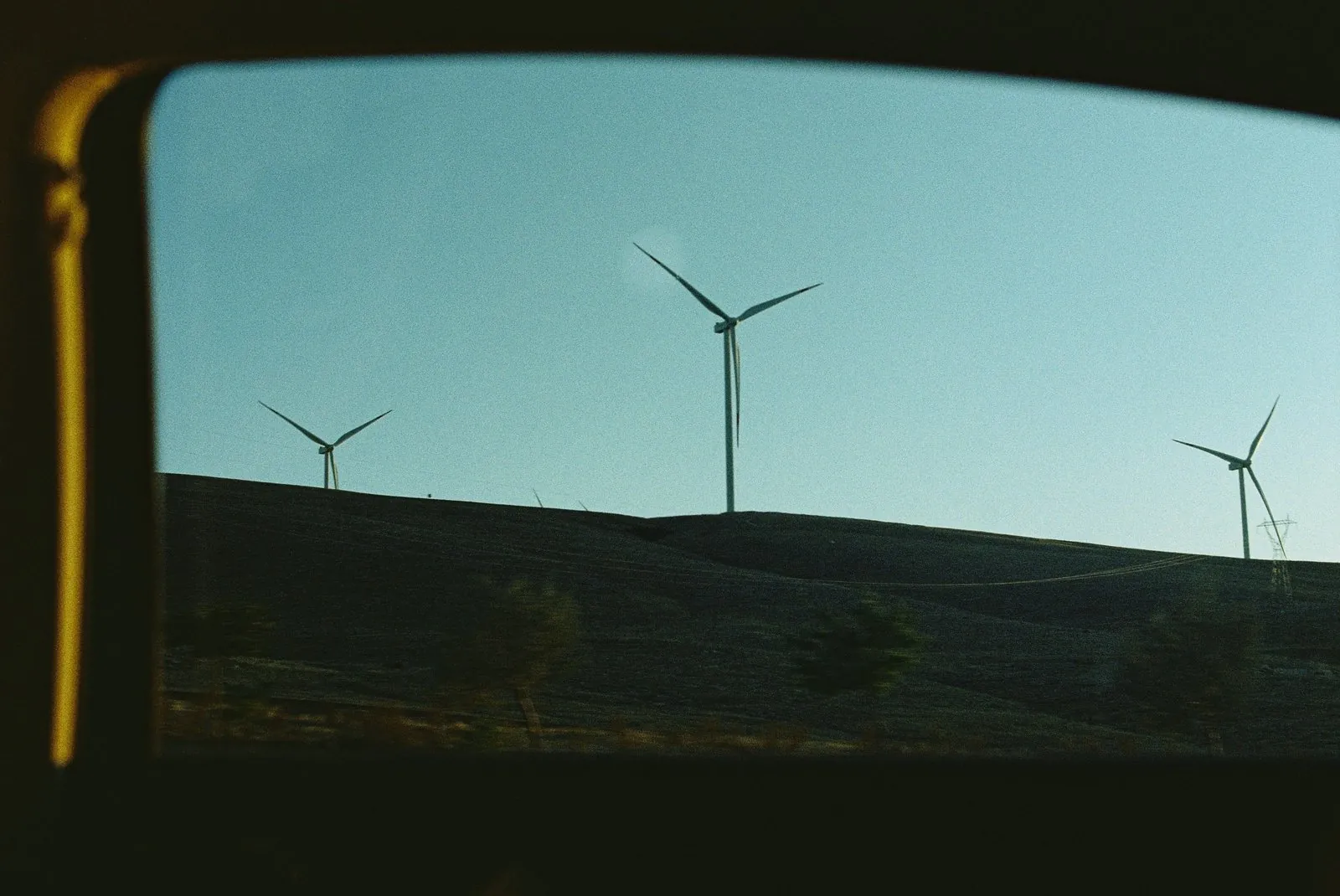
Hydro-Québec's plan to triple its wind power production has run into organized resistance. Several hundred people marched through Quebec City on September 7 — Labour Day — from the Musée national des beaux-arts to the National Assembly, demanding a moratorium on new wind projects and a generic BAPE hearing into the sector's cumulative impact across the province.
The demonstration was organized by the Regroupement vigilance énergie Québec (RVÉQ), a citizen coalition that has been staging protests since early 2025. Its core complaint: wind development is accelerating without a comprehensive assessment of its footprint on agricultural and forest land, and without a collective debate on the province's actual energy needs.
What Hydro-Québec is actually building
The wind buildout is the largest single component of Hydro-Québec's near-term supply plan, which the utility says is needed to meet expected growth in electricity demand through mid-century. The plan is multi-source — existing and new hydroelectric facilities, wind, solar, storage and efficiency — but added wind capacity is the biggest near-term slice, and it comes with a significant expansion of the high-voltage transmission network to match.
For EV drivers, that buildout is the enabling layer of Quebec's electrification push. Transport is the province's largest emissions source, and every electric car, bus and truck added to the fleet draws from the same grid the wind projects feed. The dual transformation the coalition denounces — more wind farms plus more transmission lines — is precisely the infrastructure electrification requires.
What the coalition wants
- A moratorium on new wind power projects until an expanded environmental review is carried out.
- A generic BAPE — a Bureau d'audiences publiques sur l'environnement hearing covering the cumulative impacts of the whole sector, rather than one project at a time.
- A public debate on Quebec's real energy needs before more territory is committed.
The coalition also questions the role of private developers in a sector historically run by the state utility. That critique requires nuance: a significant share of the largest wind projects recently announced by Hydro-Québec involve no private developer, while older and smaller farms continue to rely on utility-private partnerships. The sector's reality is mixed, not uniformly private.
The context behind the march
The September 7 mobilization drew delegations from several Quebec regions, with a symbolic staging in front of the National Assembly. Janie Vachon-Robillard, who leads the wind file within the coalition, carried the moratorium message at the event, and Patrick Gloutney, president of CUPE Quebec — which represents Hydro-Québec workers — attended in support. The presence of the union alongside a coalition criticizing the utility's buildout underscores how contested the pace of the transition has become, even among those who build it.
The Quebec debate is unfolding as other jurisdictions accelerate in the opposite direction. The march landed the same season China's installed solar capacity overtook coal at 1,286 GW — a reminder that the pace of renewable buildout is now a competitive variable between economies, not just an environmental one.
What it means for EV adoption in Quebec
Quebec is Canada's EV heartland, and its rebate program plus the cheapest electricity in the country have made it the model province for electrification. But the supply side has to keep up: every percentage point of demand growth from transport electrification must be met with new clean generation or imports. Hydro-Québec argues the wind tripling is the fastest scalable lever it has; the coalition argues the territory cost is being waved through without a province-wide accounting.
Neither side disputes the demand forecast. The fight is over process — whether a generic BAPE happens before the turbines go up, or after. For now, the moratorium is a demand, not a policy: the government has not committed to a sector-wide hearing, and Hydro-Québec's plan continues to move through its existing project-by-project review track.
Looking for EV deals, insurance, or financing? Check out our partner deals and offers.
If you found this guide helpful, use our Tesla referral link for free Supercharging credits on a new Tesla purchase or lease in Canada.
Next story · swipe left
Next story
Stellantis Signs Deal to Sell Brampton Assembly Plant to Armoured-Vehicle Maker
4 min read
Stellantis has signed an MOU to sell its idled Brampton Assembly plant to Roshel, a Brampton-based armoured-vehicle manufacturer, as Unifor contract talks reach an impasse and the automaker remains in default on $529 million in federal funding.
The Charge Brief
Get Canada’s EV transition in your inbox
One email a day. No spam, unsubscribe anytime.