
infrastructure
Canada's Clean Electricity Grid and the EV Future
Canada's clean electricity grid explained — 80% non-emitting today, the provincial mixes, smart charging, and whether the grid can handle every car going electric.
The question every EV skeptic eventually asks: what happens when we all plug in at once? It's a fair question with a reassuring answer — provided you understand how Canada's grid actually works.
Canada starts from an extraordinary position
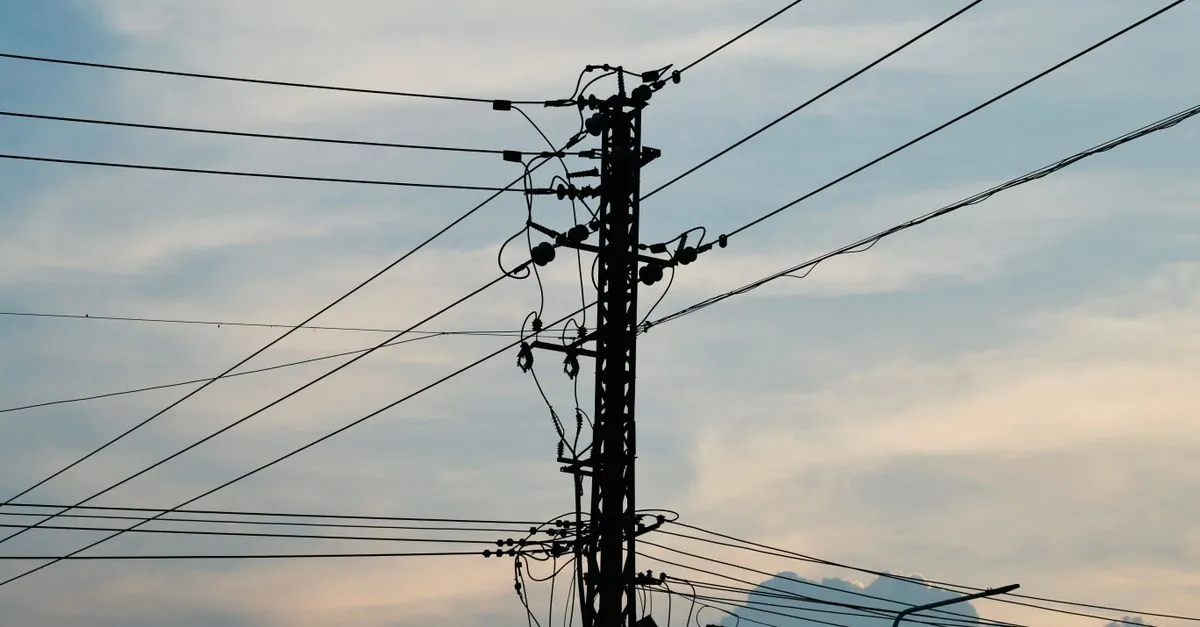
Canada's electricity grid is already about 80 percent non-emitting — one of the cleanest national grids on Earth. Hydro dams in Quebec, BC, and Manitoba; nuclear stations in Ontario and New Brunswick; growing wind and solar across the prairies and Maritimes. Most countries need to rebuild their electricity systems to enable clean transport. Canada mostly needs to expand one that's already clean.
The capacity math, honestly done
Studies from utilities and academic groups consistently reach the same conclusion: a fully electrified Canadian passenger fleet would increase total electricity demand by roughly 15 to 25 percent — significant, but spread over two decades of EV adoption. The grid planning cycle absorbs changes of this scale routinely. Peak capacity is the real constraint, and here the news is better than intuition suggests: most EV charging happens overnight, when demand sits at its trough and gigawatts of capacity sit idle. A car charging at 1 AM uses infrastructure that already exists and is already paid for.
Smart charging turns a burden into a battery
Managed charging — utilities shifting charge timing by a few hours in exchange for lower rates — is the quiet revolution here. Pilot programs across North America show that with basic scheduling, EVs add energy demand without adding peak demand at all. Bidirectional charging goes further: vehicle-to-grid pilots let parked EVs feed power back during peaks, turning the fleet itself into distributed storage. Ontario's utilities have run these trials; Quebec's are underway. The car stops being a load and becomes an asset.
The transmission buildout that has to happen anyway
Critics correctly note that grid expansion — new transmission lines, distribution upgrades, generation additions — is slow and expensive in Canada. True. But that buildout is required by population growth, heat-pump adoption, and industrial electrification regardless of what happens to EVs. The relevant comparison isn't "grid cost with EVs versus today" — it's "grid cost with EVs versus grid cost without them" — and the without case still needs most of the same projects while forfeiting the transport emissions cuts.
Where the stress actually appears
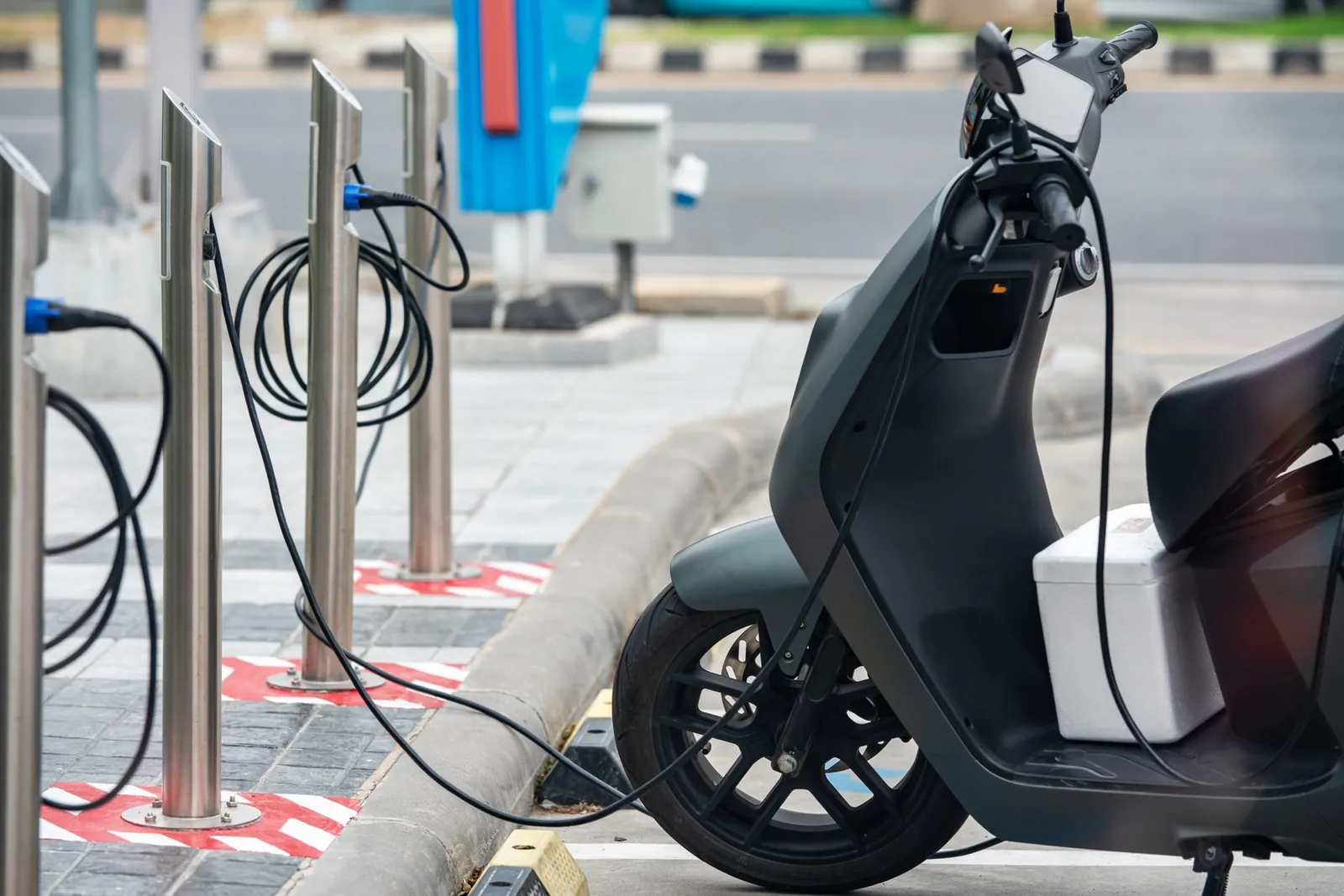
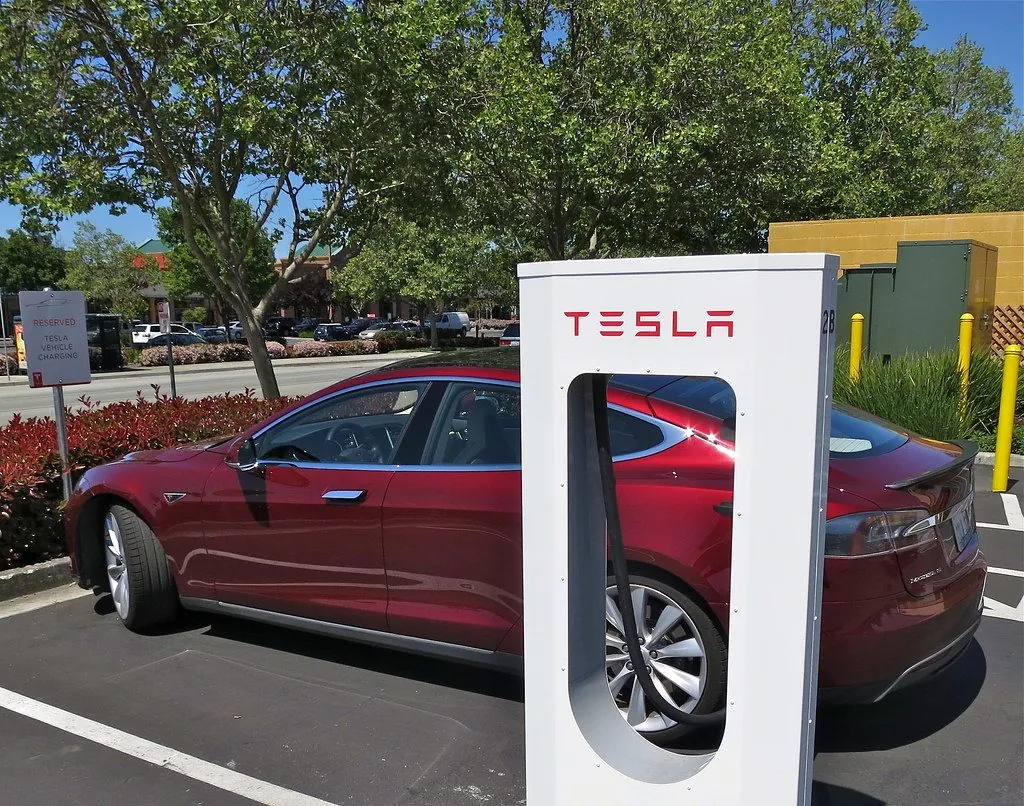
Local distribution is the honest pinch point: a street of older homes where every driveway adds a Level 2 charger can stress a neighborhood transformer designed for 1980s loads. Utilities know this — transformer upgrade programs are underway in every major Canadian city — and the fix is routine capital work, not a technology barrier. Fast-charging corridors are the other visible buildout: highway stations need megawatt-scale connections, which is why you see utilities and charging networks co-announcing grid connections years in advance.
The bottom line
Canada is among the best-positioned countries in the world to electrify transport. The grid is clean, the capacity headroom exists at night, and the managed-charging toolset turns the fleet into grid storage rather than grid strain. The buildout required is real, but it's the same buildout Canada needs for every other electrification goal — EVs just arrive with the timing flexibility to make it easier, not harder.
Curious what charging costs in your province? Try our charging cost calculator with real provincial rates.
Looking for deals, insurance, or financing for an EV? Check our offers and partners.
If you found this guide helpful, use our Tesla referral link for free Supercharging credits on a new Tesla purchase or lease in Canada.

Next story · swipe left
Next story
Canada's Chinese-EV Quota Passes 60% With One Week Left in the First Window
4 min read
Chinese-built EV imports hit 15,063 of Canada's 24,500-vehicle quota as of August 24 — 61.5% used with a week to go. Sub-$35k imports now outnumber the over-$35k class, and unused spots carry into the September window. Here's the data.
The Charge Brief
Get Canada’s EV transition in your inbox
One email a day. No spam, unsubscribe anytime.