industry
Stellantis Signs Deal to Sell Brampton Assembly Plant to Armoured-Vehicle Maker
Stellantis has signed an MOU to sell its idled Brampton Assembly plant to Roshel, a Brampton-based armoured-vehicle manufacturer, as Unifor contract talks reach an impasse and the automaker remains in default on $529 million in federal funding.
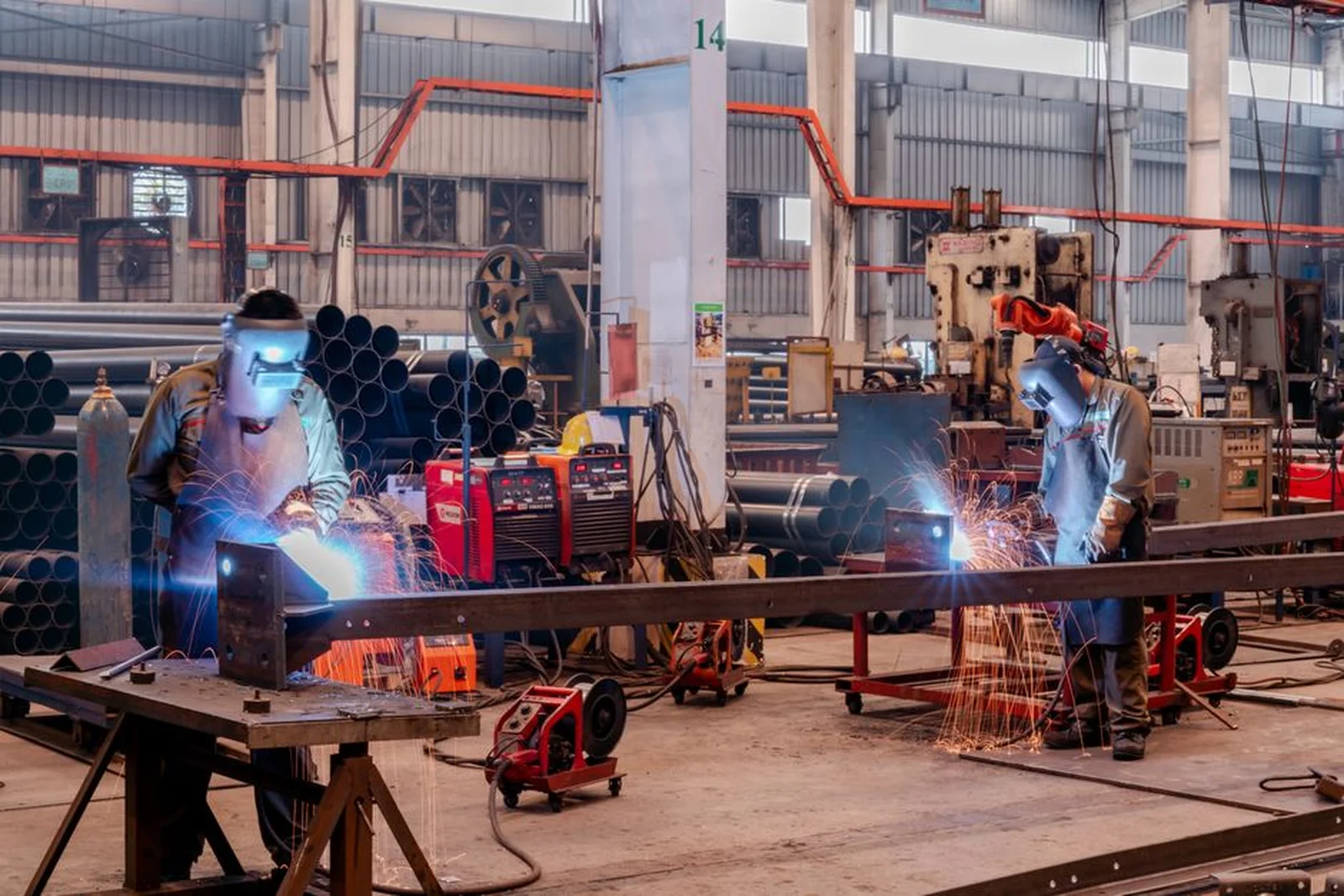
Stellantis has agreed to sell its long-idled Brampton Assembly plant to Roshel, a Brampton-based manufacturer of armoured vehicles, according to a report from driving.ca. The automaker signed a memorandum of understanding to transfer the facility, which has sat idle since the end of 2023 after Stellantis discontinued the Chrysler 300, Dodge Charger and Challenger — the only models the plant produced.
The sale comes amid tense contract negotiations between Stellantis and Unifor, the union representing the automaker's Canadian workers. Unifor says the two sides have “reached an impasse”, and the union notes that Stellantis has not confirmed forecasted plans for its Windsor facilities, which build the Chrysler Pacifica and Dodge Charger, nor for the Etobicoke Casting Plant in Toronto.
What the Brampton plant was — and what it could have been
The Brampton plant opened in 1986 under American Motors Corporation and was acquired by Chrysler the following year. At its peak, it was one of the most flexible assembly facilities in Stellantis' global network. Before its shutdown, it was slated to build gasoline and electric versions of the all-new 2026 Jeep Compass, but Stellantis announced in October 2025 that the vehicle would move to its Ohio plant instead — a decision widely attributed to the Trump administration's tariffs on vehicles made outside the United States.
In late 2025, the Canadian government said Stellantis was “in default” on some $529 million in taxpayer funding intended to help retool the plant for electric-vehicle production. Earlier this year, Brampton's city council zoned the land strictly for auto production, closing off other potential uses — though rumours had circulated that the site could assemble China-based cars as knock-down kits. Stellantis owns a share of Zhejiang Leapmotor Technology and is the majority owner in Leapmotor International, the venture created to sell Leapmodels outside China.
What Roshel plans to do with the plant
Roshel builds armoured vehicles for military, law-enforcement and executive-protection customers. The company is based in Brampton, and the purchase would keep the plant in local hands — but it would end any remaining EV-manufacturing hope for the facility. Stellantis said it still has “plans for Brampton” and added a third shift to its Windsor plant after the Compass move, but no new model allocation has been announced.
- No EV production on the immediate horizon. The Roshel sale ends the Brampton plant's role in Stellantis' electrification plans.
- Unifor's leverage is weakening. With the plant sold and Windsor's future unconfirmed, the union has less bargaining power as talks continue.
- The $529 million in federal funding remains unresolved. The government has not indicated whether it will recover the defaulted money or redirect it to other EV projects.
- China-kit rumours are dead. The Leapmotor connection had raised hopes for Chinese-built EV assembly in Brampton; the MOU to Roshel closes that door.
The Brampton Assembly plant's transformation from a flagship EV-retooling project to an armoured-vehicle factory underscores how quickly Canada's auto-manufacturing landscape is shifting — and how much of it now depends on Washington's trade posture rather than Ottawa's policy signals.
Looking for EV deals, insurance, or financing? Check out our partner deals and offers.
If you found this guide helpful, use our Tesla referral link for free Supercharging credits on a new Tesla purchase or lease in Canada.
Next story · swipe left
Next story
Canada's Electric Vehicle Infrastructure Plan: 2030 Goals and What's Missing
4 min read
Canada's national EV charging infrastructure plan — 2030 targets, current progress, the gaps in rural coverage, and what the government is actually building.
The Charge Brief
Get Canada’s EV transition in your inbox
One email a day. No spam, unsubscribe anytime.