
policy
powerEV vs Gas Pollution: What Comes Out of a Tailpipe vs a Power Plant
EV vs gas pollution compared — tailpipe emissions, refinery pollution, power plant smokestacks, and why the comparison favours EVs even on dirty grids.
"Zero emissions" is a tailpipe statement, not a universe statement. The honest comparison counts everything: what comes out of the car, what came out of the refinery that made its fuel, and what comes out of the power plant that makes its electricity.
What a gasoline car actually emits
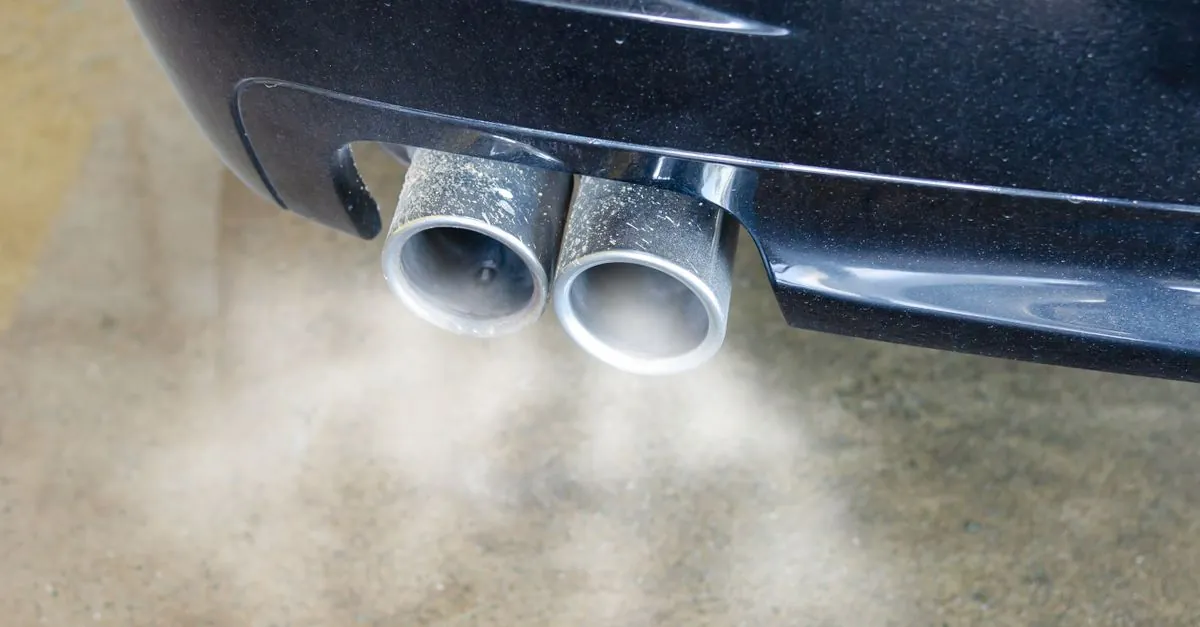
A typical gasoline sedan emits roughly 2.3 kilograms of CO₂ per litre burned — about 4.5 tonnes per year at Canadian average driving. That's the tailpipe alone. Add upstream: extracting and refining crude into gasoline consumes significant energy and releases additional emissions before the fuel ever reaches a station. Refinery emissions, tanker transport, gas station vapour — the well-to-wheel total runs meaningfully higher than the dash displays. Beyond CO₂, combustion cars emit nitrogen oxides, carbon monoxide, particulate matter, and benzene directly into the streets where Canadians live, walk, and breathe.
What an EV actually emits
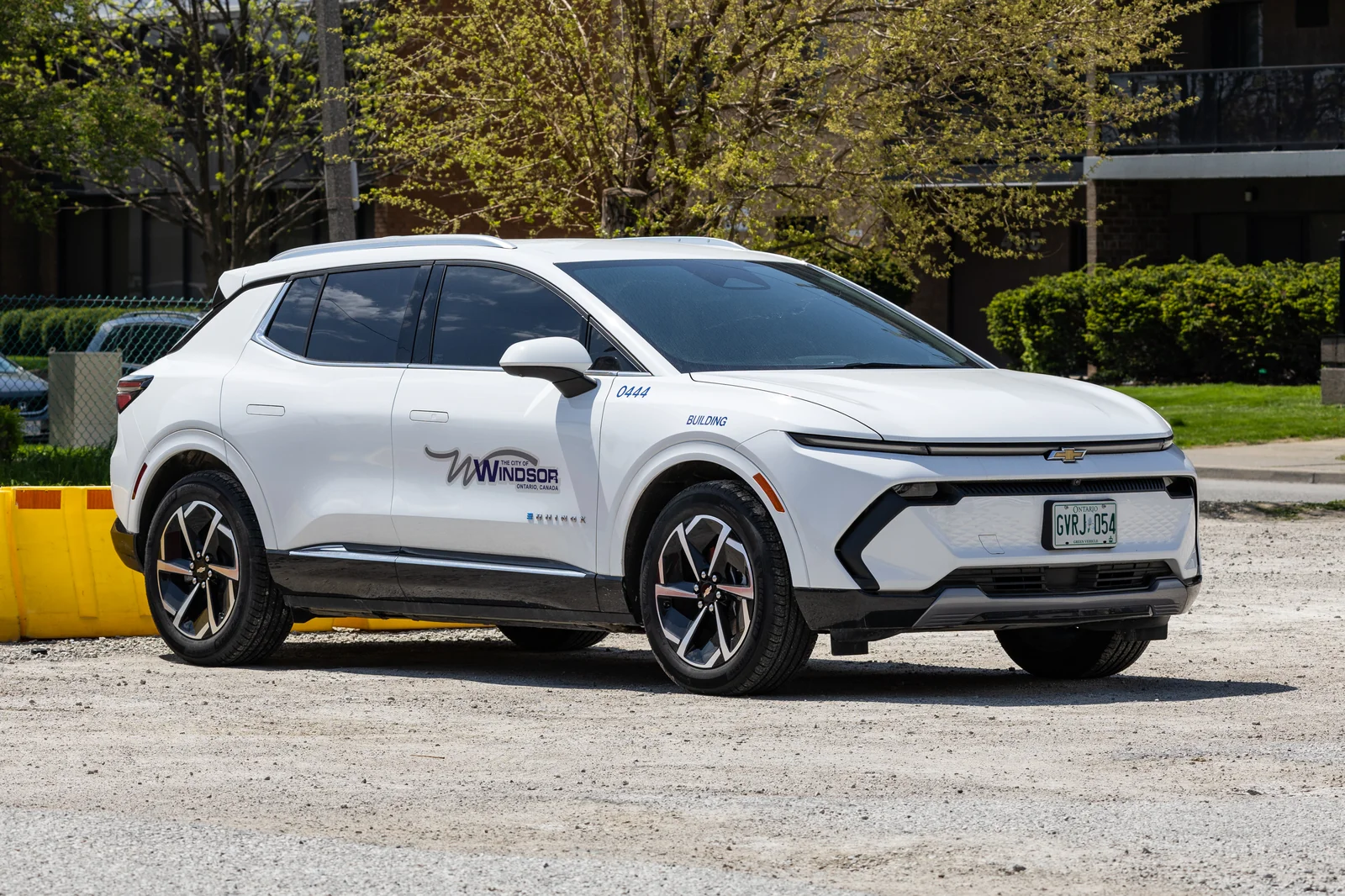
From the car: nothing. No CO₂, no NOx, no particulates at street level — which is why air quality researchers consistently find that EV adoption measurably reduces urban pollution concentrations. The emissions happen at power plants instead, and here the story varies by grid: charging in Quebec or BC produces near-zero emissions; charging in Alberta produces grid-mix emissions that still undercut the gasoline equivalent on a per-kilometre basis, with the margin improving every year as coal retires and renewables scale.
Point sources versus distributed pollution
There's a structural advantage that rarely gets discussed: power plant emissions are concentrated, regulated, and capturable. A gas plant can be replaced by wind; a scrubber can be fitted; a grid can decarbonize incrementally. A million tailpipes, by contrast, are a million uncontrolled emission points scattered through every neighbourhood, each one degrading local air quality until the day it's scrapped. EVs move pollution from uncontrolled to controllable — and then the control tightens year after year.
The health math in Canadian cities
The Canadian Medical Association and Health Canada have both quantified the health costs of transportation air pollution — premature deaths, hospital admissions, childhood asthma — at billions of dollars annually. Traffic-related air pollution concentrates along the corridors where people live, and the burden falls hardest on lower-income neighbourhoods near highways and arterials. Every EV that replaces a combustion car removes a street-level emission source permanently, and the public-health literature treats this as one of the technology's least contested benefits.
The noise externality
Less discussed but real: combustion noise. Urban traffic noise is linked to sleep disruption, stress, and cardiovascular effects in the epidemiological literature. Electric drivetrains eliminate engine and exhaust noise at city speeds — tire and wind noise remain, but the low-frequency rumble that dominates urban soundscapes drops substantially. Cities that have electrified bus fleets report the difference as transformative.
The bottom line
On every pollutant that matters — CO₂, NOx, particulates, and the unpriced health costs of both — the full-system comparison favours EVs in Canada today, with the sole honest caveat being grid intensity in the prairie provinces, where the EV still wins the lifetime comparison but by a narrower margin. And unlike the gasoline car, the EV's emissions profile improves automatically as the grid cleans. It's the only vehicle you can buy that gets greener while parked.
Looking for deals, insurance, or financing for an EV? Check our offers and partners.
If you found this guide helpful, use our Tesla referral link for free Supercharging credits on a new Tesla purchase or lease in Canada.

Next story · swipe left
Next story
How EVs Help Canada Hit Its 2035 Climate Targets
6 min read
Canada's 2035 climate targets explained — where transport emissions fit, how EV adoption moves the needle, and what the mandate changes mean for the plan.
The Charge Brief
Get Canada’s EV transition in your inbox
One email a day. No spam, unsubscribe anytime.