
policy
batteryEV Carbon Footprint vs Gas in Canada: The Full Lifecycle Answer
EV vs gas carbon footprint in Canada — manufacturing emissions, battery production, electricity grid mix by province, and the break-even point where an EV becomes cleaner.

The single most common question Canadians ask about electric vehicles is also the most honest one: does an EV actually pollute less once you count everything? The answer depends on where you drive it — and in most of Canada, the gap is enormous.
The manufacturing head start that gas cars never pay back
Building an EV — especially mining and refining the battery's lithium, nickel, and cobalt — produces more upfront emissions than building a gasoline car. Industry lifecycle analyses generally put the battery manufacturing penalty at roughly 5 to 10 tonnes of CO₂ before the car touches a road. A gasoline sedan starts its life with a smaller factory footprint, but emits roughly 4 to 5 tonnes of CO₂ per year from the tailpipe and refining alone, at typical Canadian driving distances.
Where the break-even happens in Canada
The break-even point — where the EV's total lifetime emissions drop below the gas car's — depends almost entirely on how the electricity is made:
In Quebec, British Columbia, Manitoba, and Newfoundland and Labrador, where the grid is overwhelmingly hydroelectric, an EV manufactured today can offset its battery emissions within the first year of typical driving. After that, it operates at a small fraction of a gas car's carbon footprint for the rest of its life.
In Ontario, where nuclear and hydro dominate the grid, the payback stretches to roughly one to two years. In Alberta and Saskatchewan, where gas-fired generation still carries significant weight, the payback takes longer — several years at recent grid mixes — but every credible lifecycle study still puts the EV ahead over a full vehicle life, and both provinces are adding renewable and hydro import capacity that shifts the math further every year.
The grid keeps getting cleaner — the gas car never does
This is the structural point that lifecycle comparisons often miss: a gasoline car's emissions are locked in the day it's built. An EV's emissions are tied to the grid it plugs into, and Canada's grid is already one of the cleanest in the world — about 80 percent non-emitting nationally, with coal essentially phased out in Ontario since 2014 and scheduled for retirement elsewhere. Every wind farm, hydro project, or nuclear refurbishment that comes online makes every EV on the road cleaner retroactively. The gas car has no equivalent upgrade path.
The winter caveat, honestly stated
Cold weather cuts EV range, which means more charging per kilometre in January than in July. But gasoline cars also burn dramatically more fuel in deep cold — block heaters, idling, and rich cold-start mixtures hit them too. Studies of real Canadian winters show the EV's carbon advantage narrowing in January but not disappearing, even in colder provinces.
The bottom line
Over a typical 15-year vehicle life in Canada, an EV charged on the national grid mix emits roughly half to a third of the CO₂ of a comparable gasoline car, before counting the accelerating grid decarbonization. In hydro-rich provinces, the reduction approaches 80 percent or more. The manufacturing debt is real, but it is a debt that gets repaid — and then keeps paying dividends for a decade after the gas car has fallen permanently behind.
Looking for deals, insurance, or financing for an EV? Check our offers and partners — exclusive Canadian EV discounts that help make the switch sooner.
If this breakdown helped you understand the real math, use our Tesla referral link for purchase credits and perks when ordering.
Next story · swipe left
Next story
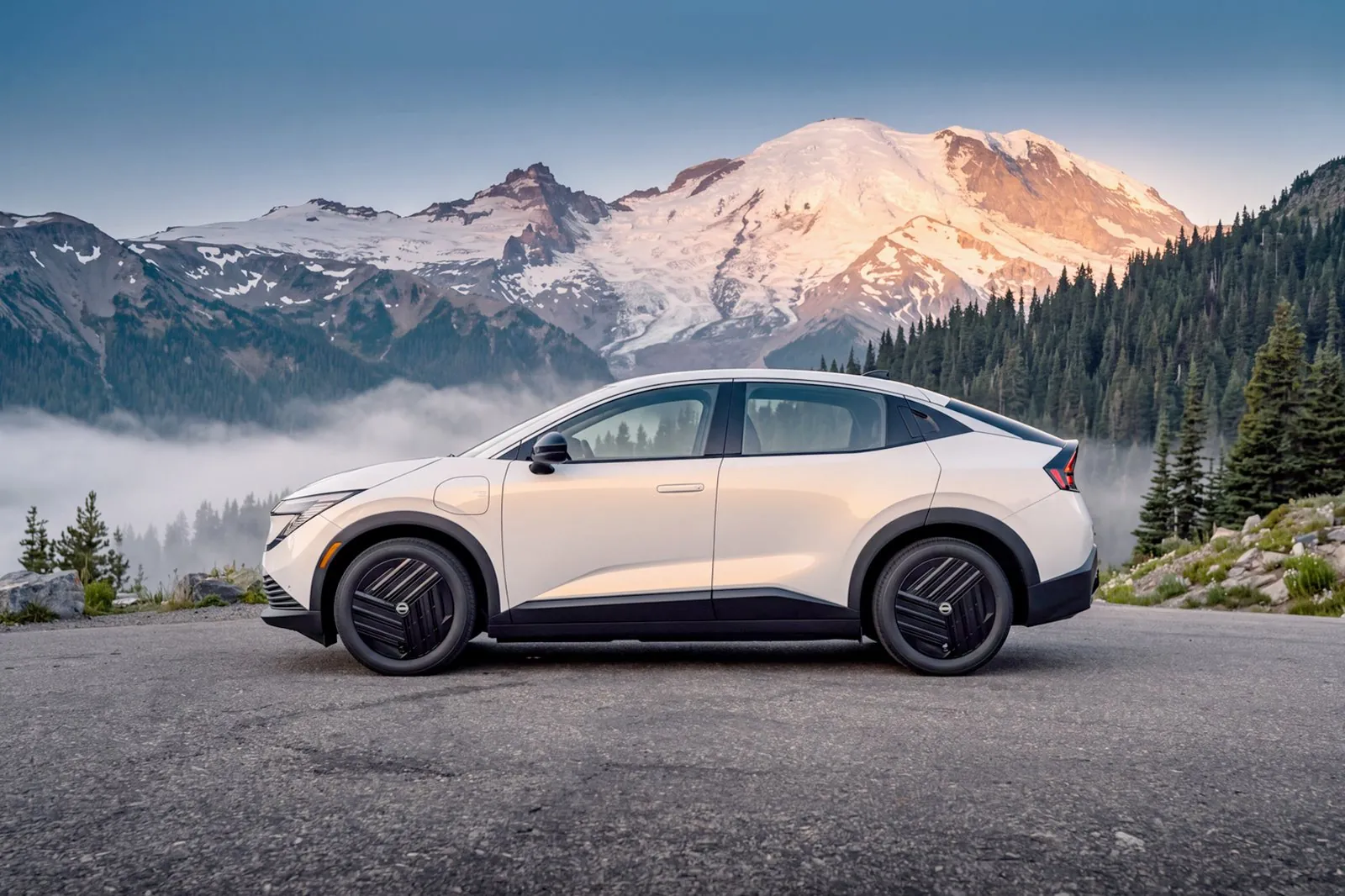
Nissan's $34,998 Leaf S Undercuts Every New EV in Canada — 341 km Range, NACS Port, Rebate Eligible
4 min read
Nissan Canada's 2027 Leaf S brings a 53 kWh battery, 341 km of range and a $34,998 price — over $10,000 below the next trim up and the cheapest new EV in Canada after the federal rebate. DoubleClutch reports the base trim Nissan once cancelled is happening after all.
The Charge Brief
Get Canada’s EV transition in your inbox
One email a day. No spam, unsubscribe anytime.