
EV Charging in Canada 2026: Networks, Costs, and Road Trip Tips
EV charging across Canada in 2026 — major networks, per-kWh pricing, road trip routes, and how to plan long-distance travel without range anxiety.
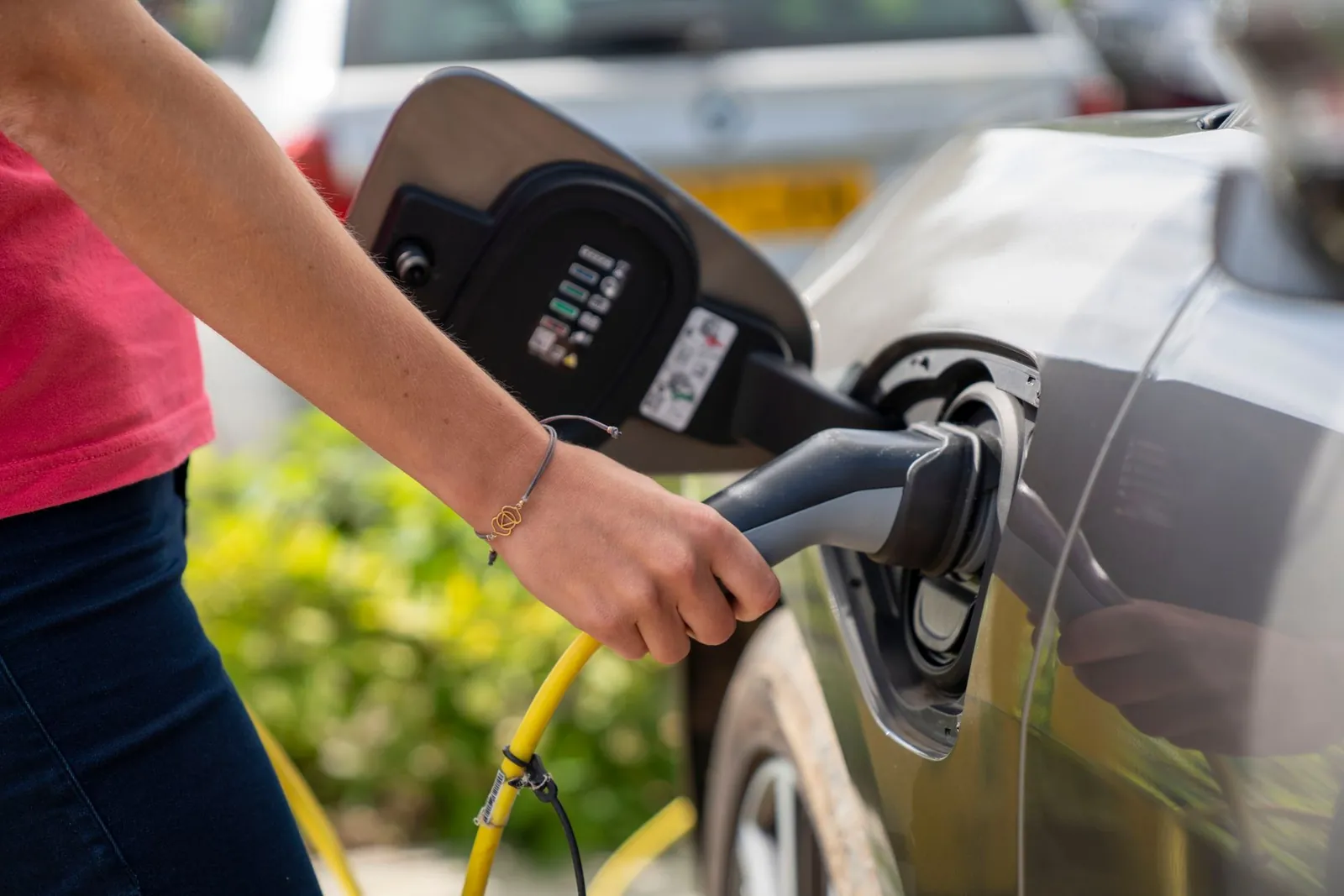
Long-distance EV travel in Canada is no longer an act of faith. The charging network along the 401, the Trans-Canada, and Quebec’s autoroutes has reached a density where road-tripping is practical for most modern EVs, but planning is still required. Pricing, reliability, and station availability vary enough between networks that a successful trip depends on knowing which networks to prioritize and when to charge.
Major Charging Networks
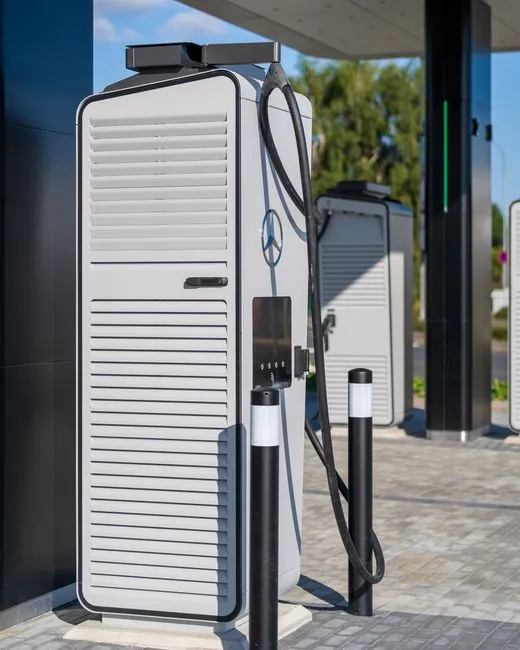
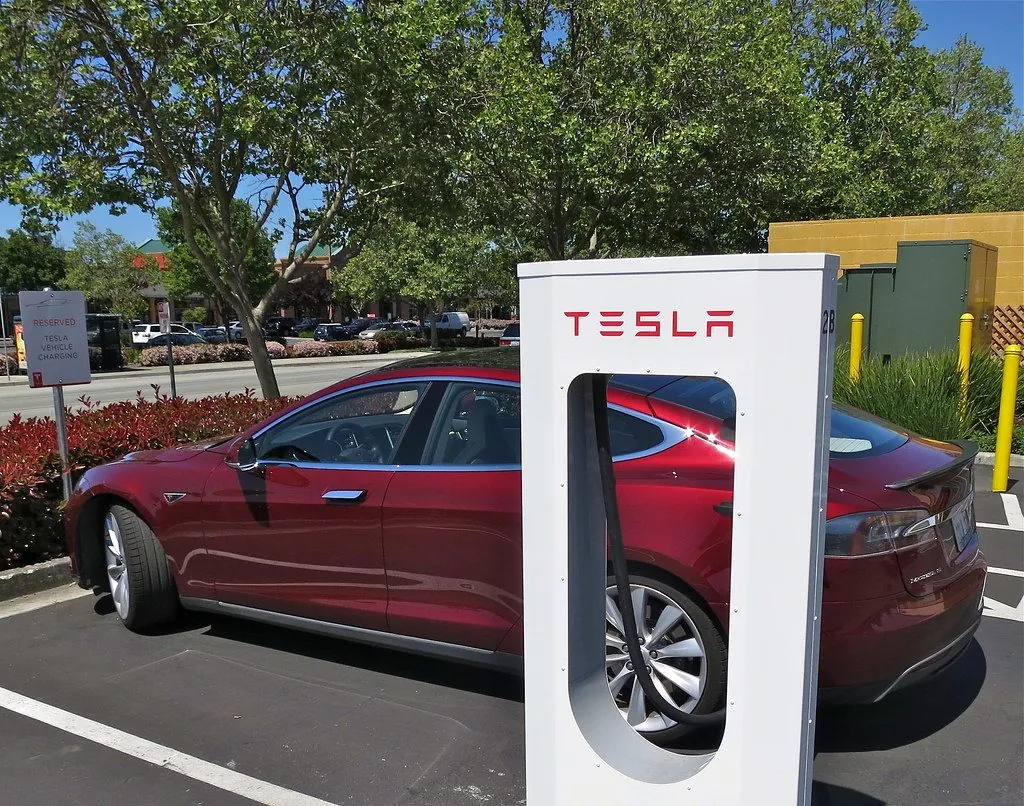
In 2026, the dominant Canadian charging networks include Electrify Canada, ChargePoint, FLO, and Tesla Supercharger. Electrify Canada offers the highest power levels on major highways, with many stations capable of 150 to 350 kW. FLO dominates urban and Quebec networks with consistent reliability and app integration. ChargePoint covers commercial and municipal locations well, especially in Ontario and British Columbia. Tesla Supercharger remains the most reliable for Tesla owners and increasingly for non-Tesla EVs using adapters.
Pricing Models
Charging costs vary by network, province, and membership status. Electrify Canada charges per-kWh with membership discounts; ChargePoint often uses per-minute or per-kWh depending on the host; FLO uses a mix of pay-as-you-go and membership tiers. On road trips, the cheapest approach is usually to combine free or low-cost Level 2 stops at hotels or restaurants with strategic DC fast charging. Drivers should compare network apps before departure to understand local pricing.
Road Trip Planning Tools
Built-in vehicle navigation now handles most charging planning automatically, but third-party tools like PlugShare and A Better Routeplanner remain useful for checking charger availability, reading owner reviews, and identifying backup stations. Canadian road-trippers should always plan alternatives because stations occasionally go offline during maintenance. A ten-percent buffer on range estimates accounts for cold weather, elevation changes, and battery state of charge at departure.
Winter Road Trip Tips
Cold weather reduces charging speed and range, which means more frequent stops on winter trips. Preconditioning the battery before reaching a fast charger restores charging speed, and using the vehicle’s climate system while charging preserves cabin comfort without draining the battery. Winter tires improve traction on snowy charging-station parking lots, which are often unplowed. Drivers should also keep a charging cable in the vehicle for unexpected Level 2 opportunities at hotels or trailheads.
Looking for EV deals, insurance, or financing? Check out our partner deals and offers.
If you found this guide helpful, use our Tesla referral link for free Supercharging credits on a new Tesla purchase or lease in Canada.
Next story · swipe left
Next story
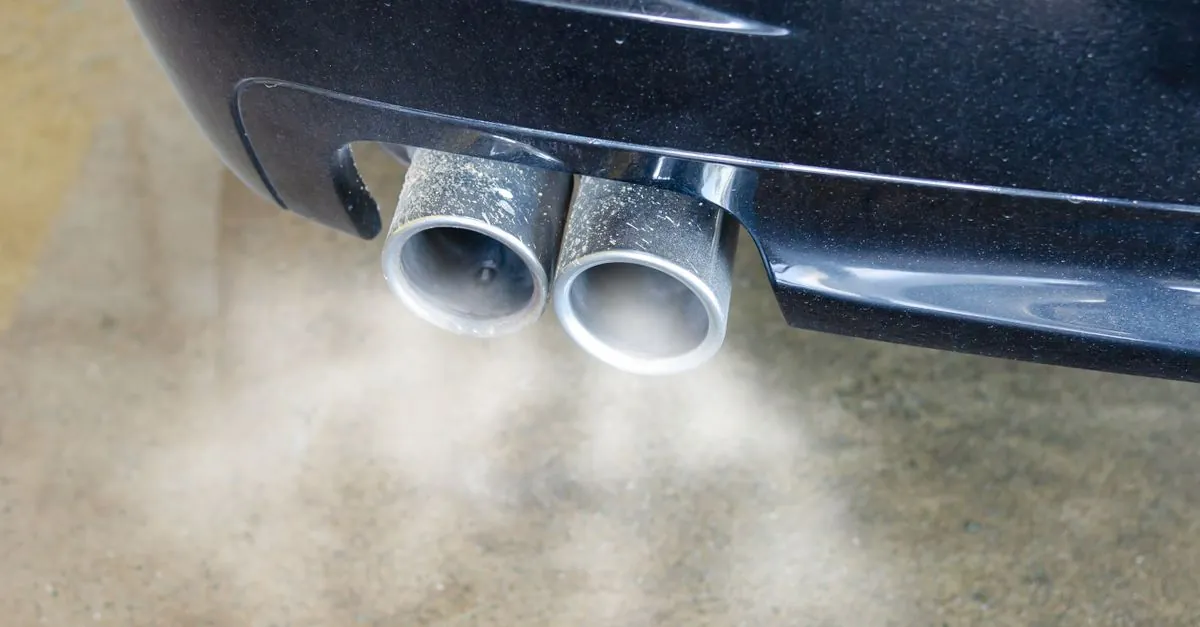
EV vs Gas Pollution: What Comes Out of a Tailpipe vs a Power Plant
6 min read
EV vs gas pollution compared — tailpipe emissions, refinery pollution, power plant smokestacks, and why the comparison favours EVs even on dirty grids.
The Charge Brief
Get Canada’s EV transition in your inbox
One email a day. No spam, unsubscribe anytime.