
vehicles
Electric Motorcycles in Canada 2026: The Ones You Can Actually Buy and Ride
Best electric motorcycles available in Canada in 2026 — Zero, LiveWire, Energica, and what Canadian riders need to know about range and licensing.
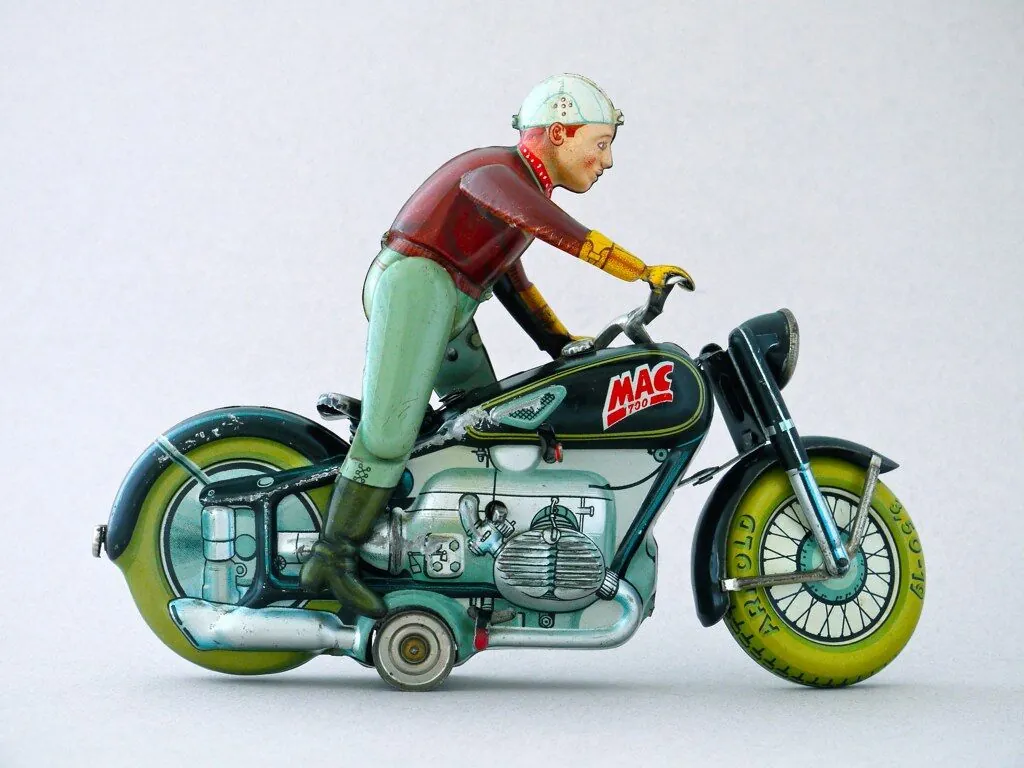
Electric motorcycles have matured significantly in Canada, moving from experimental curiosities to practical daily riders for urban commuters and weekend enthusiasts. The 2026 lineup includes models with real highway range, fast charging, and build quality that matches conventional motorcycles. Here are the ones worth considering.
Zero Motorcycles
Zero is the most established EV motorcycle brand in Canada, with a dealer network in most provinces and a range of models from urban commuters to adventure bikes. The Zero SR/F and Zero SR/S deliver highway-capable range — 200–280 km in real riding conditions — and fast enough acceleration for Canadian highway merges. The platform is mature, the app ecosystem is functional, and parts availability is better than most EV motorcycle brands. Zero's Canadian dealer network means warranty service is accessible in major cities.
LiveWire
Harley-Davidson's LiveWire division brings premium build quality and brand recognition to the EV motorcycle space. The LiveWire One is an urban motorcycle — short range, aggressive styling, and a riding experience that feels more like a conventional motorcycle than a silent scooter. The LiveWire S2 Del Mar extends range and capability for riders who want more than city use. Harley-Davidson's Canadian dealer network provides service infrastructure that most EV motorcycle brands can't match.
Energica
Energica's Italian-built motorcycles are among the most capable EV machines in Canada — the Experia tourer delivers 400+ km range, which is genuinely useful for intercity riding. The Eva Ribelle and Ego+ are sport-oriented models with acceleration that matches 600-class conventional motorcycles. Energica's Canadian presence is smaller than Zero or LiveWire, but the technology and build quality are at the top of the segment.
Licensing and insurance
Electric motorcycles in Canada require the same licence class as their conventional equivalents — an M1/M2 licence for the Zero SR/F and similar models, an M class for larger machines. Insurance is typically lower than gasoline motorcycles because the risk profile is different — no engine noise means less aggressive riding behaviour statistically, and the vehicles are easier to secure against theft in some cases. Shop three insurers; EV motorcycle insurance varies significantly by province and model.
Charging infrastructure
Most EV motorcycles use the same J1772 or CCS charging standard as EV cars, which means you can charge at public Level 2 stations on road trips. A full charge from a Level 2 station takes 1–2 hours depending on battery size — manageable for a lunch stop on a long ride. Some models support Level 1 charging from a household outlet for overnight top-ups at home or at a cottage. The charging network for motorcycles is less dense than for cars, but it exists on major routes.
The bottom line
EV motorcycles in Canada are practical for urban commuting and weekend riding, and they're especially attractive for riders who value low operating costs and reduced maintenance. A Zero SR/F costs roughly $0.02–0.03 per kilometre to operate on electricity versus $0.15–0.20 for a gasoline sport bike. The upfront cost is higher, but the operating savings compound quickly for regular riders. Test-ride before buying — the riding dynamics of an EV motorcycle are different from a conventional one in ways that matter on Canadian roads.
Looking for EV deals, insurance, or financing? Check out our partner deals and offers.
If you found this guide helpful, use our Tesla referral link for free Supercharging credits on a new Tesla purchase or lease in Canada.
Next story · swipe left
Next story
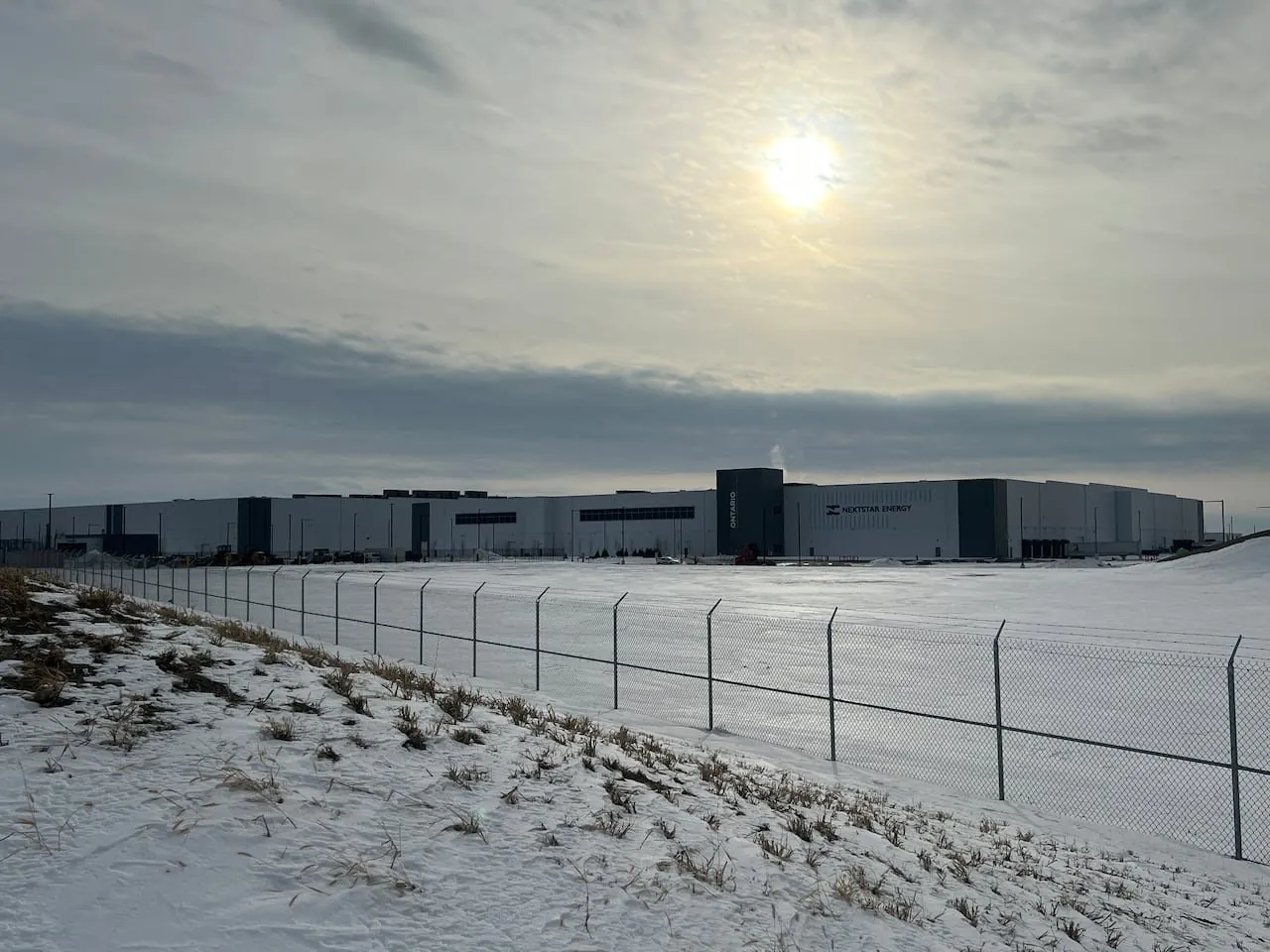
NextStar's Windsor Battery Plant Is Stuck at 1,300 Jobs — Ottawa Is Watching Its 2,500-Hire Deal
5 min read
CBC Windsor reports NextStar Energy's $5 billion battery plant remains at about 1,300 full-time employees, short of the 2,500 jobs required within a year of project completion under its federal funding agreement. The LG-owned plant has pivoted toward energy-storage batteries amid the EV slowdown, and lobbied Ottawa this year to amend its funding terms.
The Charge Brief
Get Canada’s EV transition in your inbox
One email a day. No spam, unsubscribe anytime.