industry
batteryNextStar's Windsor Battery Plant Is Stuck at 1,300 Jobs — Ottawa Is Watching Its 2,500-Hire Deal
CBC Windsor reports NextStar Energy's $5 billion battery plant remains at about 1,300 full-time employees, short of the 2,500 jobs required within a year of project completion under its federal funding agreement. The LG-owned plant has pivoted toward energy-storage batteries amid the EV slowdown, and lobbied Ottawa this year to amend its funding terms.
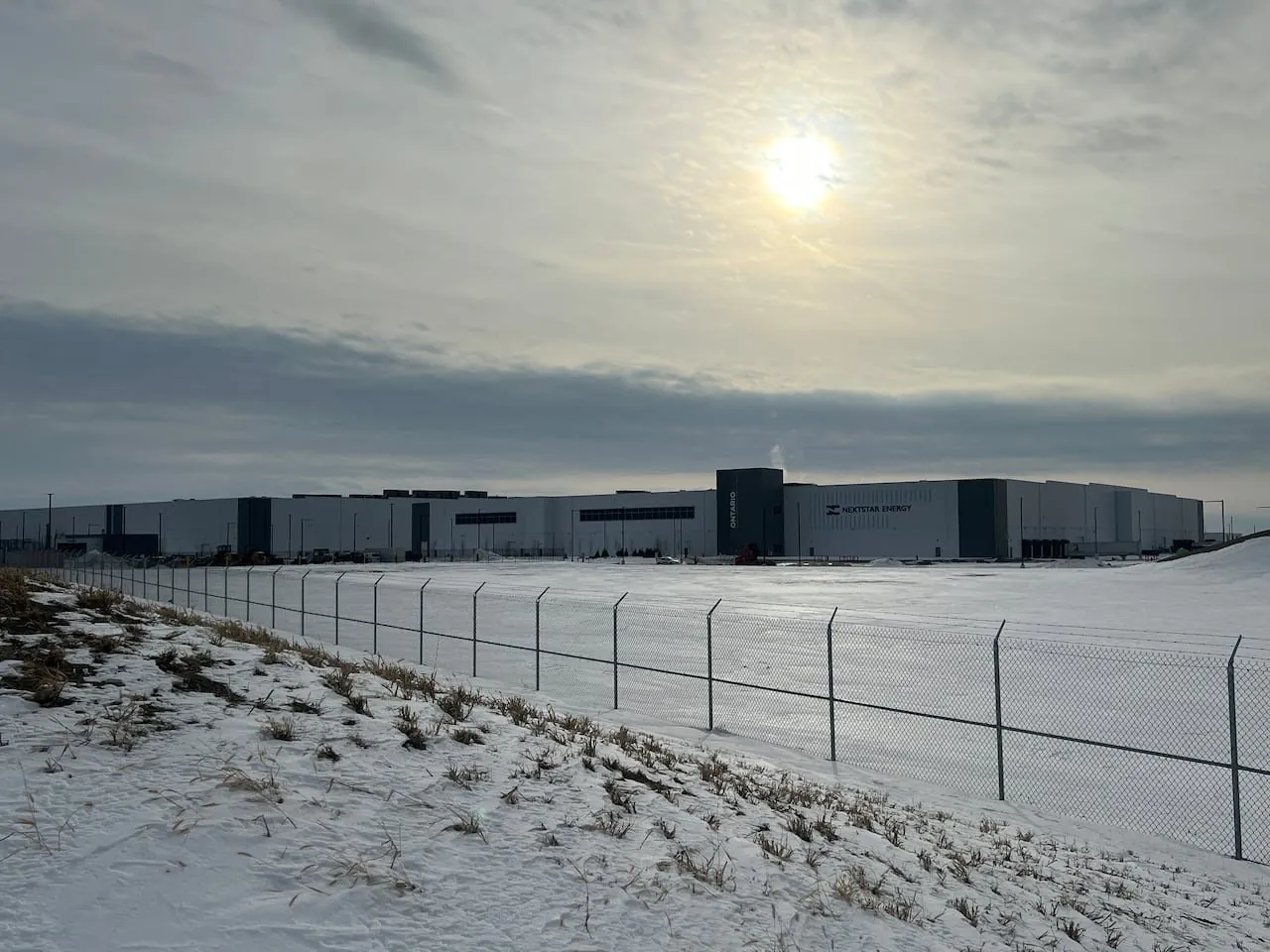
Nearly a year after construction officially wrapped on the $5 billion NextStar Energy battery plant in Windsor, the facility remains at about 1,300 full-time employees — well short of the 2,500 jobs the company committed to under its federal funding agreement, CBC Windsor reported Thursday. It's the same headcount the company cited in March at the plant's grand opening celebration.
The number matters because of the contract behind it. NextStar has received at least $530 million from Ottawa across two funding deals since construction began in 2022 — a total CBC notes dates from last year and is likely higher now, since some support is tied to battery output. The original deal required NextStar to create 2,500 full-time jobs within one year of the "Project Completion Date," though it's unclear whether that means the September 2025 end of construction or another milestone. Neither the company nor the federal government answered CBC's questions about whether that deadline has been extended.
Still committed, company says
"We remain on track to create 2,500 direct full-time jobs at full capacity," spokesperson Daniela Ferro said in late August — with a caveat: "The timeline for full production will be adjusted according to market conditions and customer needs."
Those market conditions have been brutal. The plant, originally a joint venture with Stellantis to build EV batteries, opened into a North American market where automakers hit the brakes on EV programs. Stellantis scaled back its electrification plans and sold its stake in NextStar earlier this year, leaving South Korea's LG Energy Solution as full owner. NextStar has shifted part of its output to batteries for energy storage systems instead, while saying it maintains its EV commitments.
Lobbying Ottawa for changes
- April 2026: NextStar registered to lobby the federal government "to discuss amendments to funding already received" from Innovation, Science and Economic Development Canada for the Windsor facility, as iPolitics first reported.
- Early June: the company had communications with Industry Minister Mélanie Joly and Finance Minister François-Philippe Champagne, among other senior officials, according to lobbying disclosure reports.
- ISED's response: the department told CBC such meetings are "standard practice" for large industrial projects, and that "the Government of Canada monitors projects receiving support to assess performance against the terms and conditions of the applicable agreements." Both ISED and NextStar declined to describe the amendments sought.
The union's read
James Stewart, head of Unifor Local 444, which represents the facility's roughly 900 unionized employees, acknowledged the slowdown but credited the company with protecting jobs. "Yes, [NextStar] slowed down on their hiring, but they didn't lay anyone off," he told CBC. "They pivoted fast. They made quick decisions in order to make sure people stayed employed."
Stewart says he's confident EV demand will recover and that NextStar will reach 2,500. "They've indicated to us they continue to want to grow. They want to get to that 2,500 number. I think they will," he said, adding that management is "very outgoing looking for the work."
What's at stake for Canada's battery strategy
NextStar is the anchor of Canada's flagship EV battery industrial policy — the plant Ottawa and Ontario courted with billions in incentives as the centerpiece of a made-in-Canada battery supply chain. The federal industry department still calls it "an important anchor in the development of Canada's battery value chain."
But the hiring gap illustrates the risk every subsidized battery project now carries: production timelines set during the EV boom are colliding with a demand environment where even the plant's original co-owner exited. With roughly 900 unionized workers plus salaried staff inside a building designed for nearly twice that, Windsor's biggest industrial bet now depends on either an EV demand recovery or the energy-storage pivot paying off — and on federal negotiators deciding how much flexibility a $530-million-plus funding deal can absorb.
Looking for EV deals, insurance, or financing? Check out our partner deals and offers.
If you found this guide helpful, use our Tesla referral link for free Supercharging credits on a new Tesla purchase or lease in Canada.
Next story · swipe left
Next story
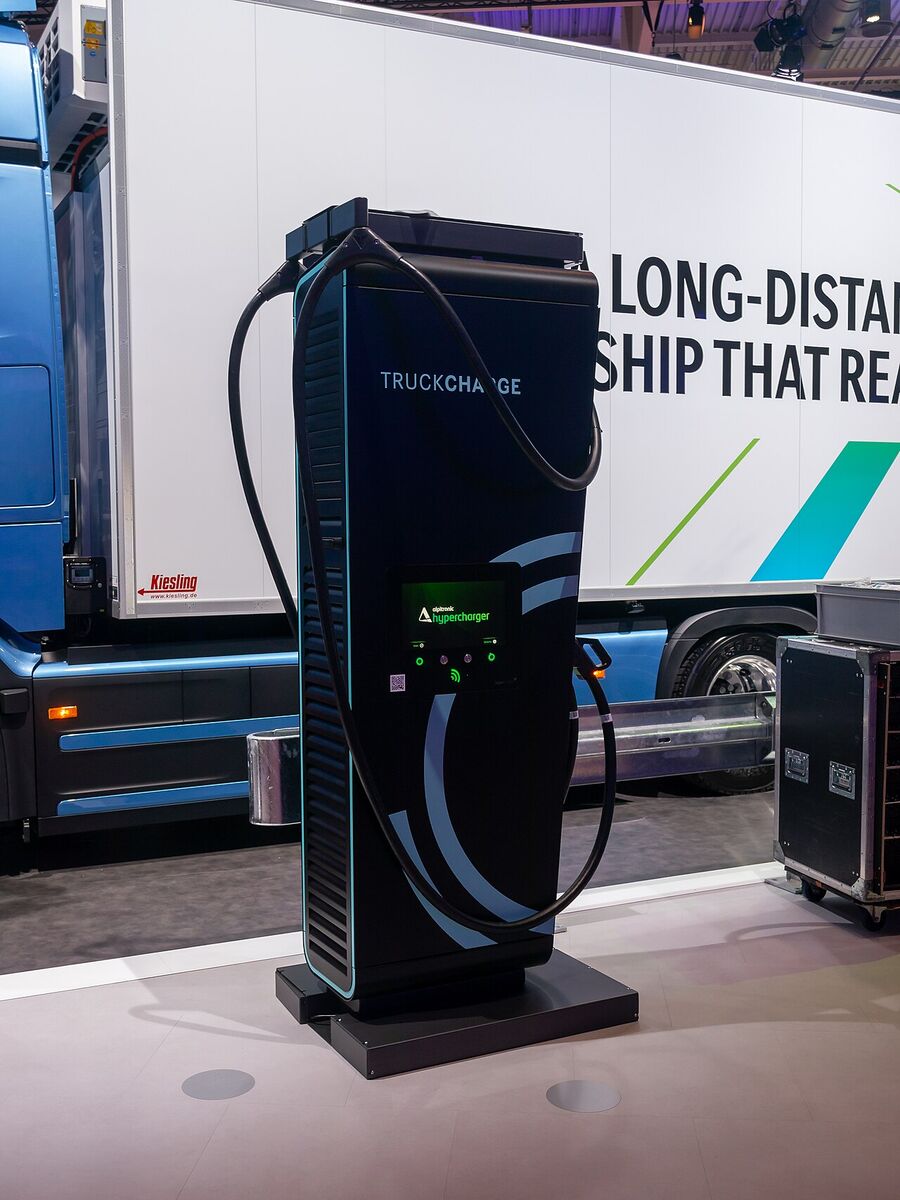
Electric Truck Charging in Canada 2026: What Fleet Drivers Need
6 min read
Electric truck charging in Canada is different from car charging — higher power demand, longer dwell times, and fleet-specific infrastructure that fleets need to plan for in 2026.
The Charge Brief
Get Canada’s EV transition in your inbox
One email a day. No spam, unsubscribe anytime.