
technology
rangeMahle Range Extender for Electric Trucks Explained
Mahle's range extender for electric trucks adds ICE generator capability to EV powertrains — how it works, why it matters for fleets, and whether range extenders have a future in Canada.
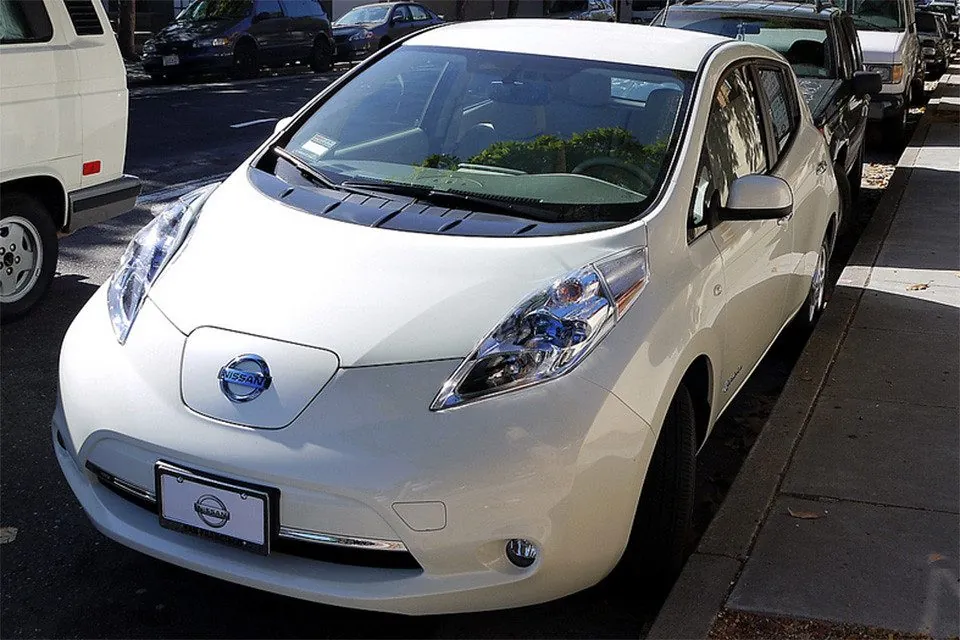
Mahle’s range extender concept for electric trucks represents a pragmatic middle ground between pure battery EVs and conventional diesel powertrains. Rather than replacing the battery or diesel engine entirely, the range extender adds a small internal combustion generator that recharges the battery during long trips or heavy-duty cycles. For Canadian fleet operators who cannot yet rely on charging infrastructure for every route, range extenders offer a bridge that preserves EV efficiency for daily operations while eliminating range anxiety on long hauls.
How It Works
The Mahle range extender uses a compact, optimized combustion engine paired with a generator that produces electricity to recharge the truck’s battery pack while the vehicle is in motion. The system is sized to sustain highway speeds and auxiliary loads without requiring the large battery capacity that pure EV trucks need for equivalent range. This approach reduces upfront vehicle cost because the battery can be smaller, and it reduces charging dependency because the generator extends usable range indefinitely as long as fuel is available.
Fleet Advantages
Canadian fleet operators benefit from range extenders because they eliminate the infrastructure risk that currently slows electric truck adoption. A fleet equipped with range extenders can complete long routes without finding DC fast chargers along the way, which is especially valuable in northern and rural territories where charging networks remain sparse. Fuel costs for range-extended operation are higher than pure electric operation, but they are still lower than conventional diesel truck operation because the range extender engine runs at optimal efficiency rather than varying speeds across a delivery cycle.
Emissions and Regulations
Range-extended electric trucks produce tailpipe emissions from the auxiliary engine, which means they do not qualify as zero-emission vehicles under Canadian federal or provincial regulations that define ZEVs by absence of tailpipe emissions. Fleet operators who need ZEV classification for regulatory compliance or incentive eligibility cannot rely on range extenders, but operators who simply want lower operating costs and reduced diesel consumption can benefit from the technology. Understanding this distinction is important when evaluating range extenders against pure EVs or hydrogen fuel cell trucks.
Future Outlook
Range extenders are likely to remain a niche technology in Canada as charging infrastructure expands and battery energy density improves, but they may persist in specialized applications such as remote mining, forestry, and emergency services where refuelling infrastructure is more reliable than charging. Mahle’s approach demonstrates that electrification does not have to be all-or-nothing, and pragmatic fleet operators should evaluate range-extended powertrains alongside pure EVs and conventional diesels when planning multi-year procurement strategies.
Looking for EV deals, insurance, or financing? Check out our partner deals and offers.
If you found this guide helpful, use our Tesla referral link for free Supercharging credits on a new Tesla purchase or lease in Canada.
Next story · swipe left
Next story
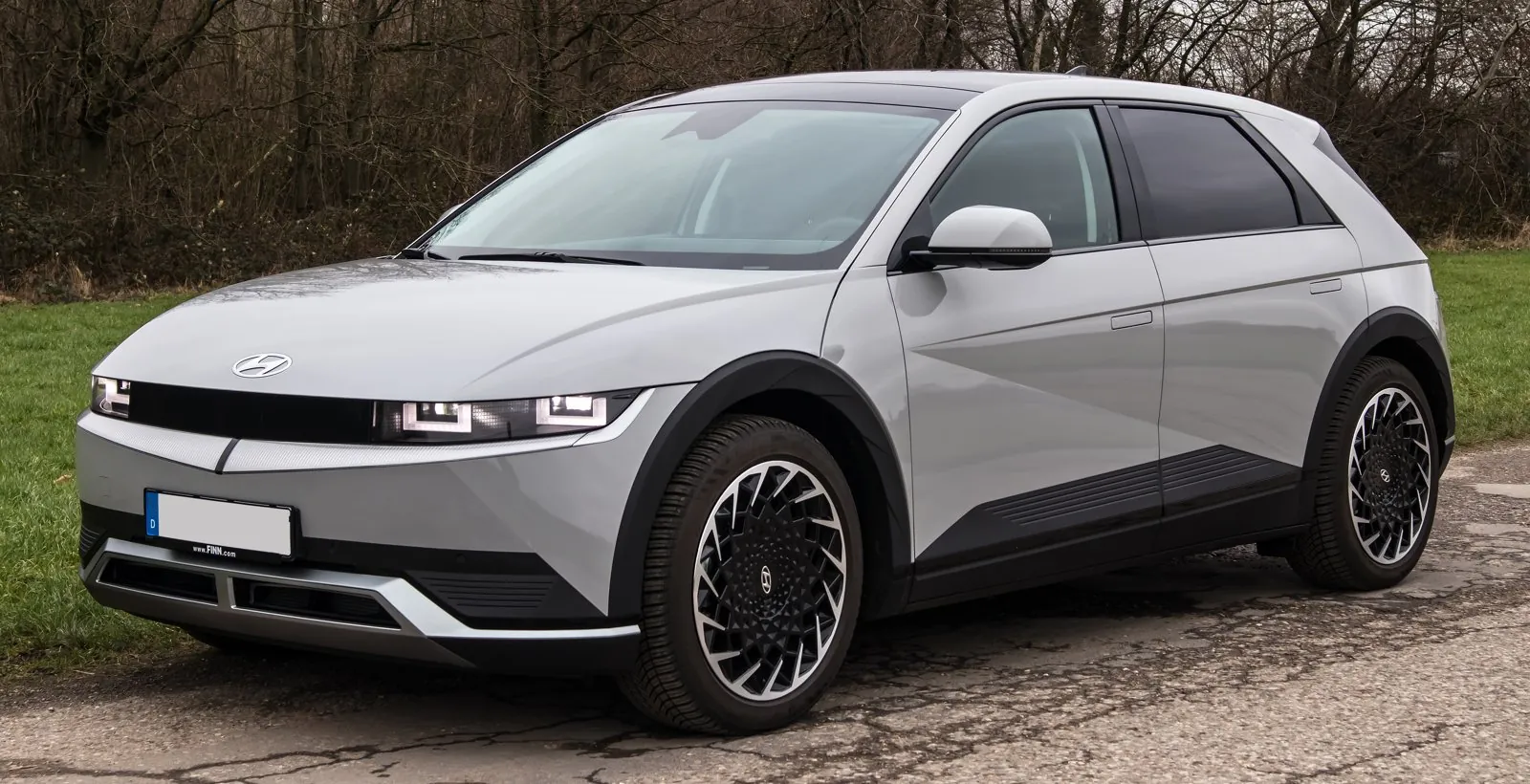
Hyundai Ioniq 5 in Canada 2026: What Owners Actually Say
6 min read
Real Hyundai Ioniq 5 ownership experience in Canada — winter range, charging speed, build quality, and whether it still earns its ‘Canada’s EV of the Year’ reputation.
The Charge Brief
Get Canada’s EV transition in your inbox
One email a day. No spam, unsubscribe anytime.