policy
batteryHybrid Registrations Up 39.5%, Battery Electric Up 37.4% as Oil Passes US$100 — StatsCan
New Q2 2026 registration data from Statistics Canada shows hybrid EVs up 39.5 per cent and battery-electrics up 37.4 per cent year-over-year while gas and diesel registrations fell — as Brent crude crosses US$100 and a refined-fuel shortage keeps pump prices elevated.
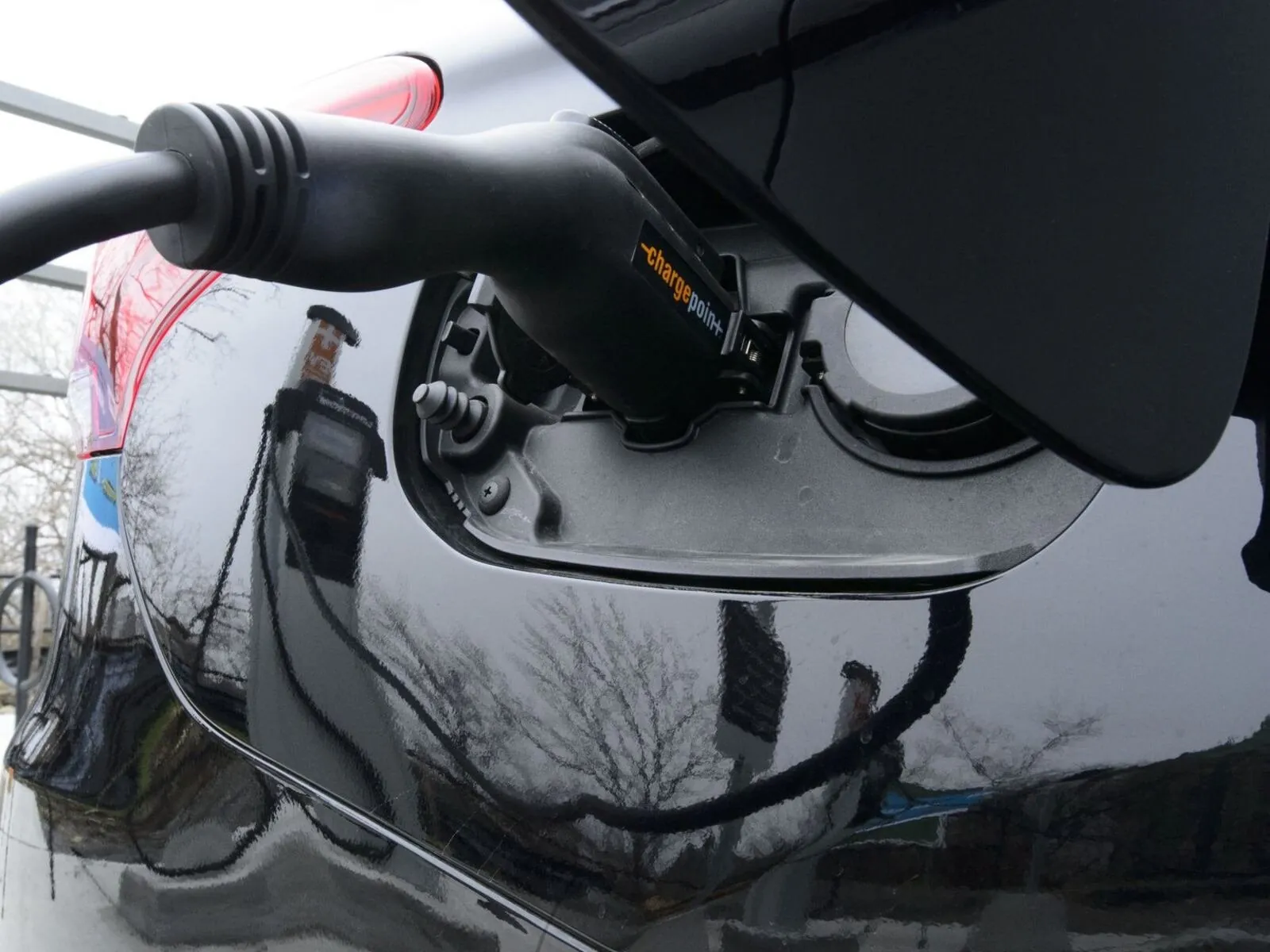
As oil climbs, Canadians are moving to electrified vehicles in growing numbers. New Statistics Canada data for the second quarter of 2026 shows new registrations of hybrid electric vehicles up 39.5 per cent year-over-year — the largest increase of any propulsion type — followed by battery electric vehicles at 37.4 per cent and plug-in hybrids at eight per cent.
New registrations of gasoline and diesel vehicles, by contrast, fell 7.3 and 12.6 per cent respectively compared with a year earlier, CTV News reported Wednesday.
Why the pump is doing the persuading
The shift arrives amid the most disruptive fuel-price environment in years. Brent crude traded above US$100 a barrel this week for the first time in more than a month, after the U.S. and Israel began military operations against Iran and attacks on oil facilities and shipping near the Strait of Hormuz destabilized supply. En-Pro chief petroleum analyst Roger McKnight says the deeper problem is a global shortage of refined gasoline and diesel — one that pump prices will keep reflecting.
- Diesel: “well north of two dollars a litre right now which is nuts,” McKnight says — and rising, because of lack of supply.
- Refineries: “You can't fix or build them overnight. They can take five to ten years to build.”
- Trucking: filling a transport truck cost about $630 in January, before the war in Iran began; today it costs roughly $920 — a freight inflation consumers will pay for.
Dealers see behaviour changing
“We've always experienced some volatility at the pumps. This latest variation is obviously shocking to consumers in terms of the cost and that's what drives consumers to change their behaviour,” Canadian Automobile Dealers Association spokesperson Huw Williams told CTV. “The market drives their decisions as to how much is it going to cost my family for transportation. Many are looking at hybrid electric vehicles right now and figure they can make it work for their family.”
EV owners aren't fully insulated either: the refined diesel and gas shortage is expected to feed broader inflation — McKnight's example is the cost of shipping a cantaloupe from California. “That's one expensive cantaloupe,” he says.
Market share is a different story
The registration surge hasn't yet moved zero-emission market share, which remains largely unchanged — a sign electrified vehicles are growing with an overall recovering market rather than converting it outright. But with diesel north of $2 a litre and analysts warning the refined-fuel shortage has no quick fix, the economics of the second quarter's buying patterns look set to continue into fall.
Looking for EV deals, insurance, or financing? Check out our partner deals and offers.
If you found this guide helpful, use our Tesla referral link for free Supercharging credits on a new Tesla purchase or lease in Canada.
Next story · swipe left
Next story
EV Owners Go Back to the Dealer: J.D. Power's 2026 Canada Service Survey, in Numbers
4 min read
J.D. Power's 2026 Canada Customer Service Index shows average repair costs at a record $443 per visit — $566 at dealers versus $323 at aftermarket shops. But EV and PHEV owners defy the value math: only 34% of ZEV service visits go to independent shops, versus 51% for gas cars, and 42% of ZEV owners trust dealers for complex repairs.
The Charge Brief
Get Canada’s EV transition in your inbox
One email a day. No spam, unsubscribe anytime.