
policy
chargingBC EV Charging Rebates 2026: What's Still Available (And What Ended)
British Columbia EV rebates and rules in 2026 — passenger purchase rebates paused/ended (commercial and fleet programs remain), charger rebates up to $350, and the landlord and condo rules BC drivers need to know.
British Columbia's EV policy has taken a sharp turn in 2026: the passenger-vehicle purchase rebate has been paused and effectively ended, with provincial money now flowing to commercial and fleet electrification instead. What remains for individual drivers is the federal rebate, a modest charger rebate, and some of the strongest charging-rights rules in Canada for EV charging in multi-unit buildings. Here is what BC drivers actually get in 2026.
Vehicle Purchase Rebates: Paused for Passengers
The headline change: BC no longer offers a passenger-vehicle EV purchase rebate. The province's passenger-program money has been paused/redirected, and the active provincial programs target commercial and fleet electrification — businesses, fleets, and heavy-duty applications, not driveway buyers. Individual BC buyers still qualify for the federal Electric Vehicle Affordability Program (EVAP): up to $5,000 for an eligible new battery-electric or fuel-cell vehicle and up to $2,500 for an eligible plug-in hybrid, applied at the point of sale through participating dealers. That federal layer is now the entire purchase-side story in BC — verify model eligibility on Transport Canada's list before shopping, because MSRP ceilings apply.
Home Charger Rebates
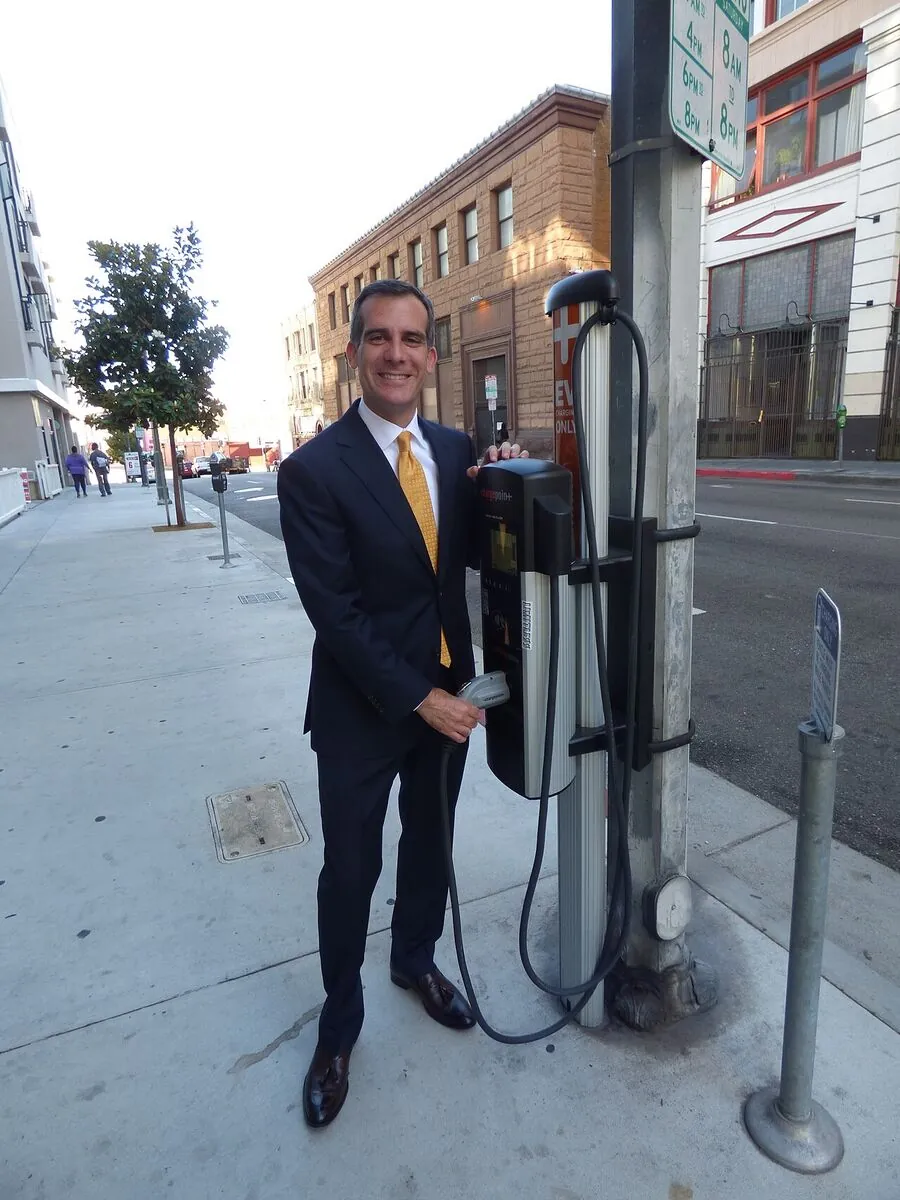
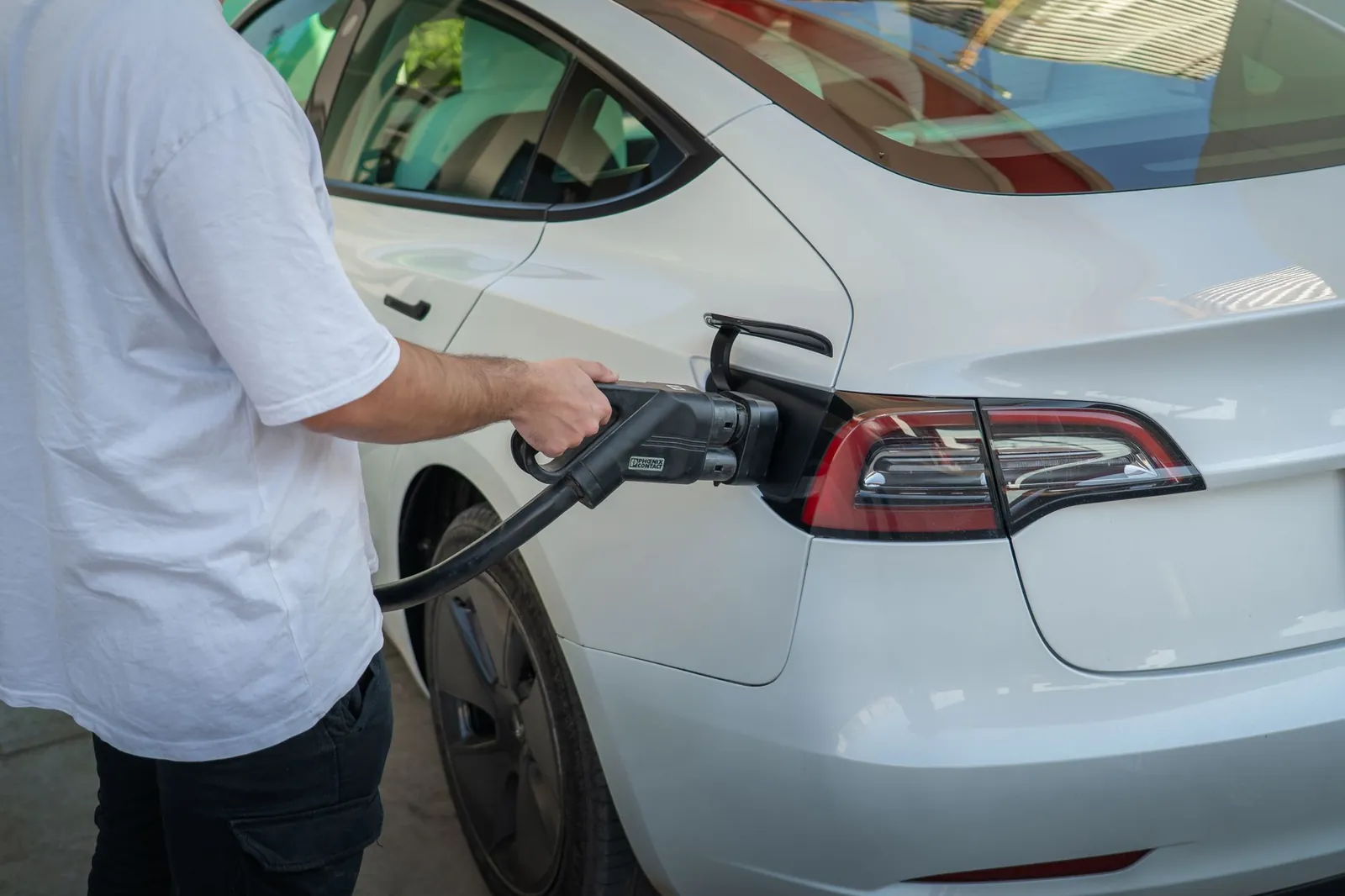
BC's surviving consumer-side charger support covers up to 50 per cent of home Level 2 installation cost, to a maximum of $350 — meaningful, but a fraction of what a full installation can run. Some programs require the charger to be installed by a certified electrician and connected to a smart energy management system. Applicants should confirm eligibility requirements before purchasing equipment, because post-installation rebate claims may be denied if the installation does not meet program specifications. Condo and strata buildings have separate program pools aimed at shared infrastructure.
Condo and Rental Building Rules
BC has established clearer processes for EV charger requests in strata corporations and rental buildings. Strata owners can request charger installation with defined timelines for board response, and landlords must consider reasonable charger requests from tenants in buildings with available electrical capacity. These rules reduce the friction that previously made EV ownership difficult for urban dwellers, though buyers should still document their requests and understand dispute resolution options if a board or landlord refuses without justification.
Public Charging Network
BC's public charging network remains one of the densest in Canada, with FLO and ChargePoint stations in most municipalities and Electrify Canada stations along highway corridors. The province's compact geography means most daily trips can be completed on Level 2 charging, while road trips to Alberta or Washington rely on DC fast chargers that are now available at regular intervals along the Trans-Canada.
The Bottom Line for BC Buyers
A BC buyer's realistic 2026 stack: the federal EVAP discount (up to $5,000 on an eligible new BEV) plus up to $350 toward charger installation. That is thousands less than Quebec or PEI buyers can command, and roughly $10,000 less than the theoretical maximum in the Northwest Territories — a reminder that in 2026, the richest EV incentives in Canada are no longer on the West Coast. Watch for a future provincial reinstatement, but budget on what exists today.
Looking for EV deals, insurance, or financing? Check out our partner deals and offers.
If you found this guide helpful, use our Tesla referral link for free Supercharging credits on a new Tesla purchase or lease in Canada.
Next story · swipe left
Next story
GM Blocks Independent Shops From Buying Key EV Structural Parts in Canada
4 min read
Since August 7, GM will only sell 12 front frame rail components for EVs like the Cadillac Lyriq, Chevy Blazer EV and BrightDrop to bodyshops certified in its Collision Repair Network — a policy Canadian independents and recyclers say goes too far.
The Charge Brief
Get Canada’s EV transition in your inbox
One email a day. No spam, unsubscribe anytime.