
policy
GM Blocks Independent Shops From Buying Key EV Structural Parts in Canada
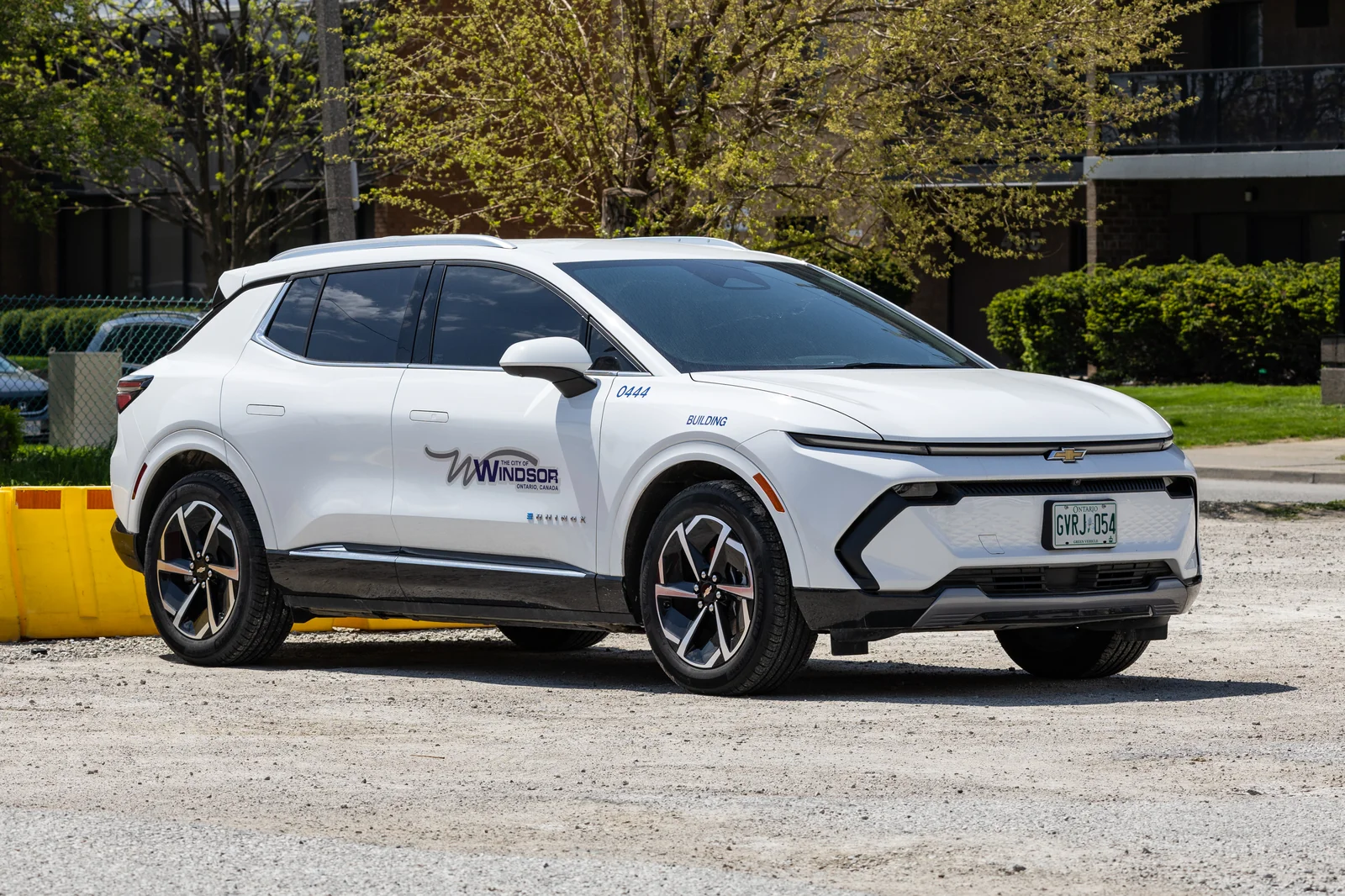
Since August 7, GM will only sell 12 front frame rail components for EVs like the Cadillac Lyriq, Chevy Blazer EV and BrightDrop to bodyshops certified in its Collision Repair Network — a policy Canadian independents and recyclers say goes too far.
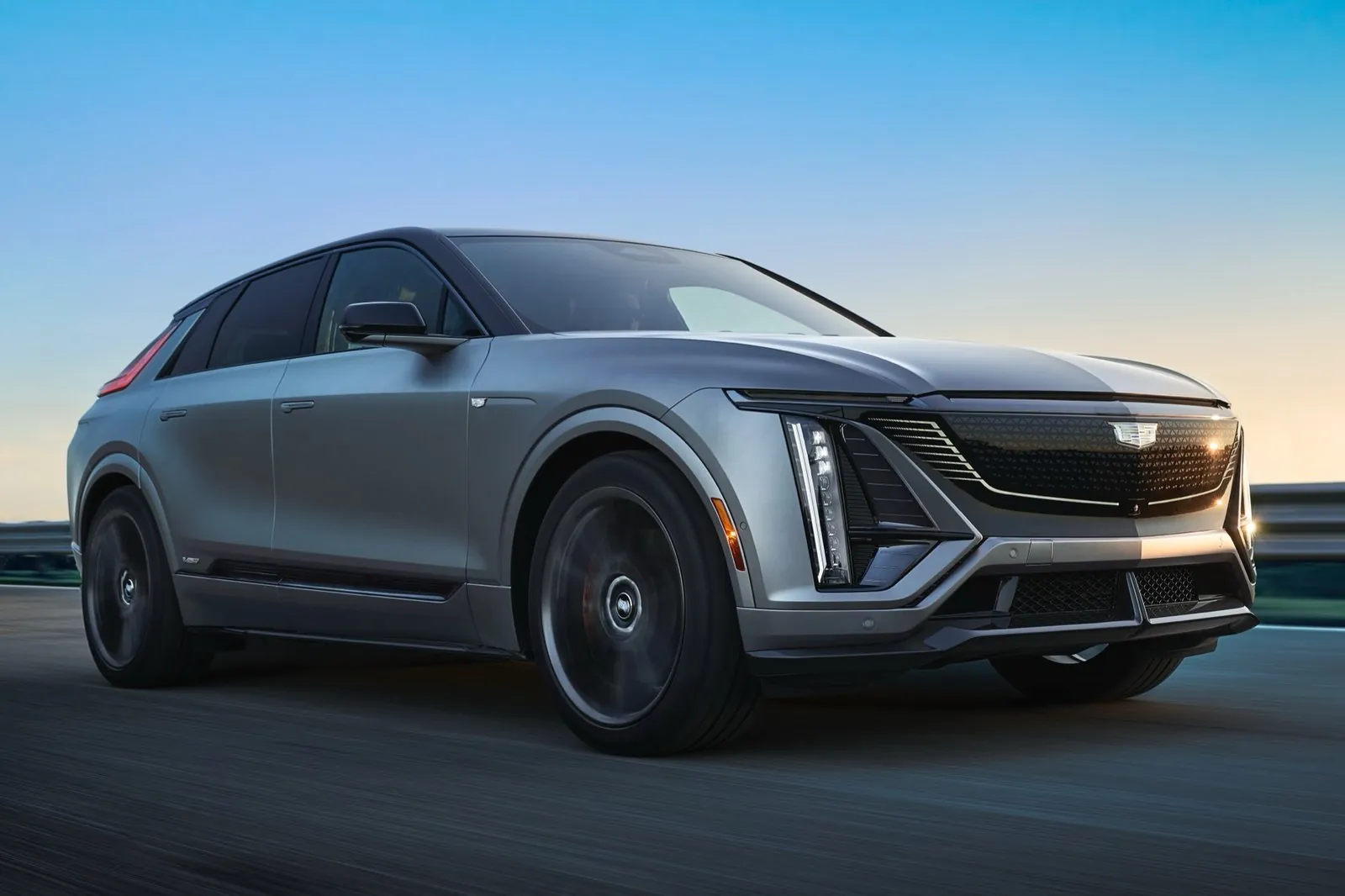
If your electric Cadillac or Chevrolet needs front-end structural repair after a crash, your neighbourhood bodyshop may no longer be able to buy the part. General Motors has restricted the sale of critical EV structural components to certified repair facilities in its Collision Repair Network, a policy that took effect August 7 and completely blocks uncertified shops from ordering 12 specific front frame rail service parts.
The restriction, first reported by Collision Repair magazine, applies to facilities without a designated battery-electric compliance tier in GM's network. Independent Canadian repair shops that lack the specialized EV certification are now barred from ordering the restricted parts until they meet the automaker's requirements — though any facility can apply for enrollment to lift the restriction.
Which vehicles are covered
The blocked components are front frame rail service sections — parts that arrive at the centre of most serious front-collision repairs. The policy covers nearly GM's entire Canadian EV lineup:
- Cadillac Lyriq, Vistiq and Optiq
- Chevrolet Blazer EV, Equinox EV and Silverado EV
- BrightDrop — the electric delivery van built in Ingersoll, Ontario
GM's safety argument
GM's documentation frames the restriction around high-voltage safety. Front frame rails are primary structural components engineered to absorb crash energy, protect occupants and maintain vehicle alignment — and in these EVs they are tightly integrated with high-voltage systems and ADAS sensors. The automaker warns that improper repairs pose severe risks, including electrical hazards for technicians and first responders, and says the limits guarantee repair facilities have the precise training, tools and protocols that electric architecture demands.
The concern is not abstract. A frame rail that is sectioned or welded incorrectly on a high-voltage vehicle can compromise both crash performance and the battery pack's protective structure, and repair procedures for structural EV components differ substantially from gas-vehicle practice.
The pushback from independents and recyclers
The policy has amplified existing friction between GM and Canada's independent repair and recycling sectors. In July, GM separately enacted rules strictly prohibiting salvaged, recycled or aftermarket ADAS components in collision repairs. Vince Edivan, executive director of the Automotive Recyclers Association, challenged the logic: if ADAS components can remain in service after a collision when they pass OEM inspection and calibration, he argues, an undamaged OEM component from another vehicle should be evaluated under the same standards.
Industry data explains the stakes. Collision Repair magazine reports that Mitchell data shows aftermarket, recycled and remanufactured parts use in Canadian collision repairs rose nearly 2% through 2025, and Car-Part.com figures show recycled components deliver savings of nearly 48.5% versus new factory pricing. With the average Canadian vehicle now approaching 13 years old, recyclers argue that blanket source-based bans make keeping older cars on the road more expensive for everyone.
What it means for EV owners
For drivers, the practical effect is choice. An EV owner involved in a front-end collision may find their long-time shop can no longer source the rail sections the job requires, pushing the repair toward GM-certified facilities — or toward an insurance total-loss decision that might otherwise have been a repair. Shops, for their part, face a decision between investing in GM's EV certification tiers or turning away structural work on some of the most common electric vehicles on Canadian roads.
The restriction is part of a broader trend: as electric vehicles grow in Canada, automakers are tightening control over who can repair them and with what parts. Right-to-repair rules passed elsewhere have not yet reached this layer of the parts channel, and for now the certification gate is GM's to run.
Looking for EV deals, insurance, or financing? Check out our partner deals and offers.
If you found this guide helpful, use our Tesla referral link for free Supercharging credits on a new Tesla purchase or lease in Canada.
Next story · swipe left
Next story
Princeton Critical Minerals Raises $16M to Scale Lithium Production Technologies
4 min read
Tesla’s Battery Supply Chain Gets a Boost as Princeton Spinout Secures $16M for Lithium Innovation Princeton Critical Minerals raises new funding to…
The Charge Brief
Get Canada’s EV transition in your inbox
One email a day. No spam, unsubscribe anytime.