
policy
quebecQuebec Leads Canada in EV Rebates Despite National Drop
Quebec claimed over half of Canada EV Affordability Program rebates in Q3 2026, while overall rebate volume fell 14.3% quarter-over-quarter.

Quebec continues to dominate Canada’s EV Affordability Program (EVAP) rebates, claiming more than half of all incentives distributed nationwide in the third quarter of 2026, even as the total number of rebates across the country declined compared to the previous quarter.
According to Electric Autonomy Canada, which analyzed the latest government data released October 16, 2026, Canada issued 34,486 EVAP rebates in Q3 worth $151,673,012. Of those, 25,763 were for battery-electric vehicles (BEVs). This represents a 14.3% drop in rebate volume from Q2, when 40,239 rebates worth $173,044,347 were awarded, including 28,305 for BEVs.
Quebec’s share of the rebates increased slightly year-over-quarter, accounting for 52.9% of the total rebate value in Q3, up from 51.5% in Q2. In absolute terms, Quebec residents received 18,115 rebates valued at $80,288,881, a 9.61% decrease from the 20,040 rebates the province received in Q2.
The province’s dominance was reflected across all categories: Quebec claimed 53.3% of the total BEV rebate value and led in every other EV category. Ontario followed with 21.1% of the rebate value, while British Columbia accounted for 17.8%. The remaining provinces and territories collectively made up the rest.
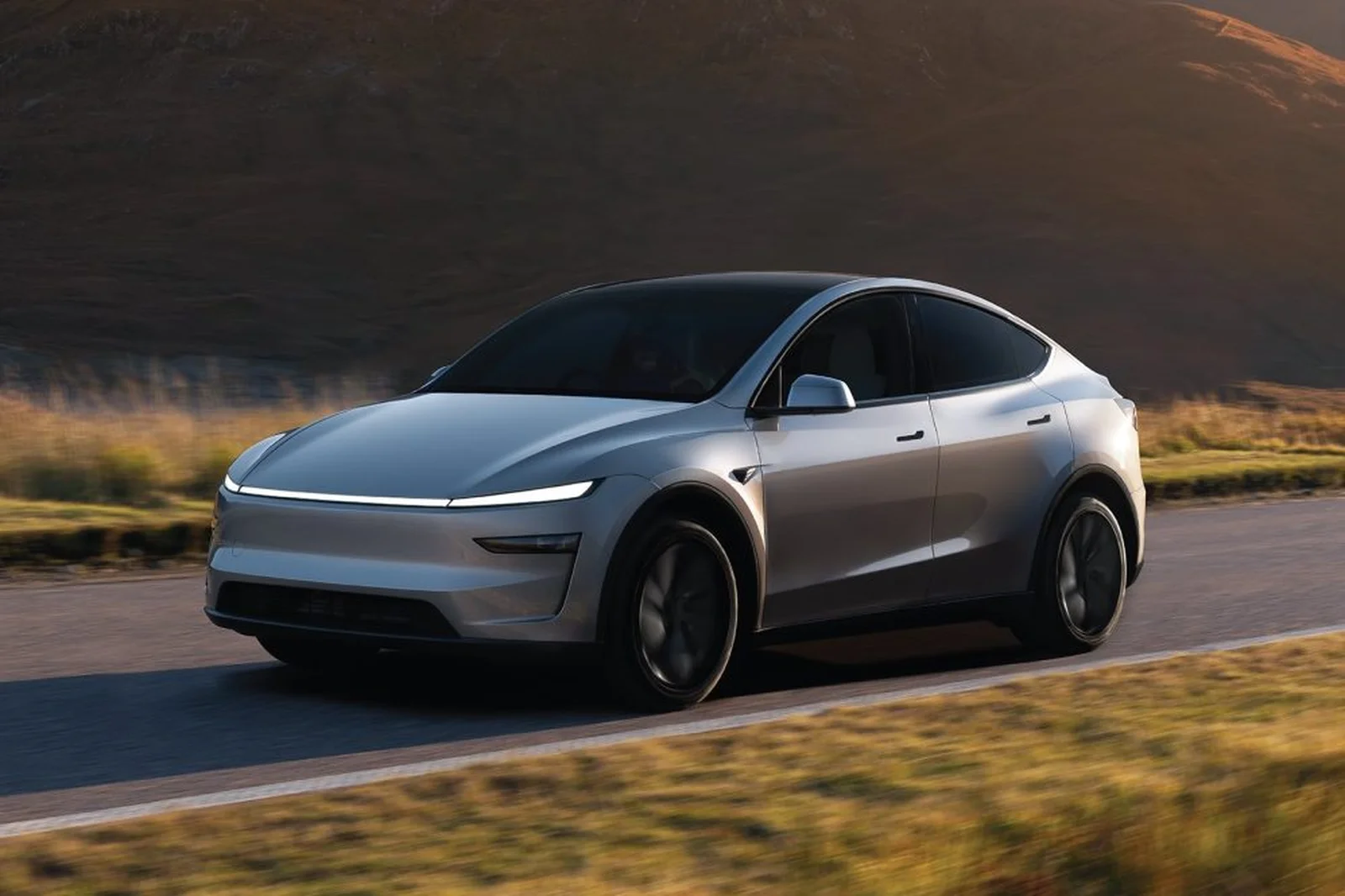
At the vehicle level, the Chevrolet Bolt remained the most popular EV for incentives, capturing 16.3% of all rebates issued nationwide. The Tesla Model Y came in second with 9.7%, followed closely by the Chevrolet Equinox EV at 9.6%. The Ford Mustang Mach-E and Toyota bZ4X rounded out the top five.
EVAP eligibility rules remain in effect: vehicles must have a final transactional price of $50,000 or less to qualify, unless the vehicle is assembled in Canada, in which case there is no price cap. Imported vehicles must originate from a country with which Canada has a free-trade agreement, effectively excluding Chinese-built EVs from the program.
Looking ahead, the federal government has scheduled step-downs in rebate amounts. Starting next year, BEV rebates will decrease to $4,000 and PHEV rebates to $2,000. These values will further reduce to $3,000 and $1,500 for 2028 and 2029, and finally to $2,000 and $1,000 for the program’s final year in 2030.
Looking for EV deals, insurance, or financing? Check out our partner deals and offers.
If you found this guide helpful, use our Tesla referral link for free Supercharging credits on a new Tesla purchase or lease in Canada.
Next story · swipe left
Next story
Tesla Model Y vs the New 2027 Competition in Canada: Price, Range, Charging Compared
5 min read
The Model Y is still Canada's best-selling EV — but August 2026 pricing from Nissan, Toyota, and Mercedes gives buyers real alternatives. A trim-by-trim comparison of price after rebate, range, and charging access.
The Charge Brief
Get Canada’s EV transition in your inbox
One email a day. No spam, unsubscribe anytime.