
technology
teslaTesla Robotaxi Nevada Upgrade 2026: Full Details
Tesla robotaxi gets a massive hardware and software upgrade in Nevada in 2026 — what changed, how it affects Canadian autonomous vehicle timelines, and whether robotaxi service is coming to Canadian cities soon.
Tesla’s robotaxi program received a significant hardware and software upgrade in Nevada in 2026, improving sensor capability, decision-making algorithms, and remote oversight systems that make autonomous passenger service safer and more reliable. For Canadian cities watching autonomous vehicle development closely, the Nevada upgrade provides an early signal about what Tesla’s robotaxi platform can achieve in controlled environments and how quickly it might scale to public roads with more complex weather and traffic patterns.
What Changed in Nevada
The Nevada upgrade focused on sensor redundancy, low-light perception, and severe-weather capability. Tesla added additional camera angles and radar calibration routines that improve object detection on sun-glare and night-haul routes common in desert highway conditions. Software updates refined lane-change decision-making and intersection handling so that robotaxis can operate with fewer remote interventions. Nevada regulators expanded approved operating zones to include more urban streets and highway segments, which gives Tesla more real-world training data to improve autonomy in higher-complexity environments.
Relevance to Canadian Markets
Canadian cities present harder autonomy challenges than Nevada because of snow-covered roads, lane markings obscured by plowing, pedestrians in bulky winter clothing, and fluctuating daylight hours. A robotaxi platform that performs well on dry Nevada pavement may struggle on unmarked snow-covered urban streets or during heavy precipitation that blocks camera sightlines. Tesla would need additional training data from Canadian winter conditions before deploying robotaxis in Toronto, Montreal, or Calgary, which means Canadian adoption likely trails US deployment by one to three years.
Regulatory Environment
Transport Canada and provincial regulators are monitoring autonomous vehicle trials but have not established clear nationwide deployment frameworks for robotaxi services. Some provinces allow limited autonomous testing under restricted conditions, but full commercial robotaxi operation would require new legislation covering insurance, liability, data privacy, and vehicle inspection standards. Canadian cities that want to attract autonomous mobility investment will need to create sandbox programs that allow controlled robotaxi testing while protecting public safety.
What to Expect
Canadian buyers should not expect widespread Tesla robotaxi service before 2028, but limited pilot programs in warmer provinces or controlled campuses could appear sooner. The technology is progressing faster than regulation, which means the first Canadian robotaxi deployments will likely be fleet services on private or semi-private roads rather than public urban taxi routes. Buyers who are interested in autonomous features should monitor Tesla’s Full Self-Driving software updates because incremental autonomy improvements often arrive in consumer vehicles before they are approved for commercial ride services.
Looking for EV deals, insurance, or financing? Check out our partner deals and offers.
If you found this guide helpful, use our Tesla referral link for free Supercharging credits on a new Tesla purchase or lease in Canada.
Next story · swipe left
Next story
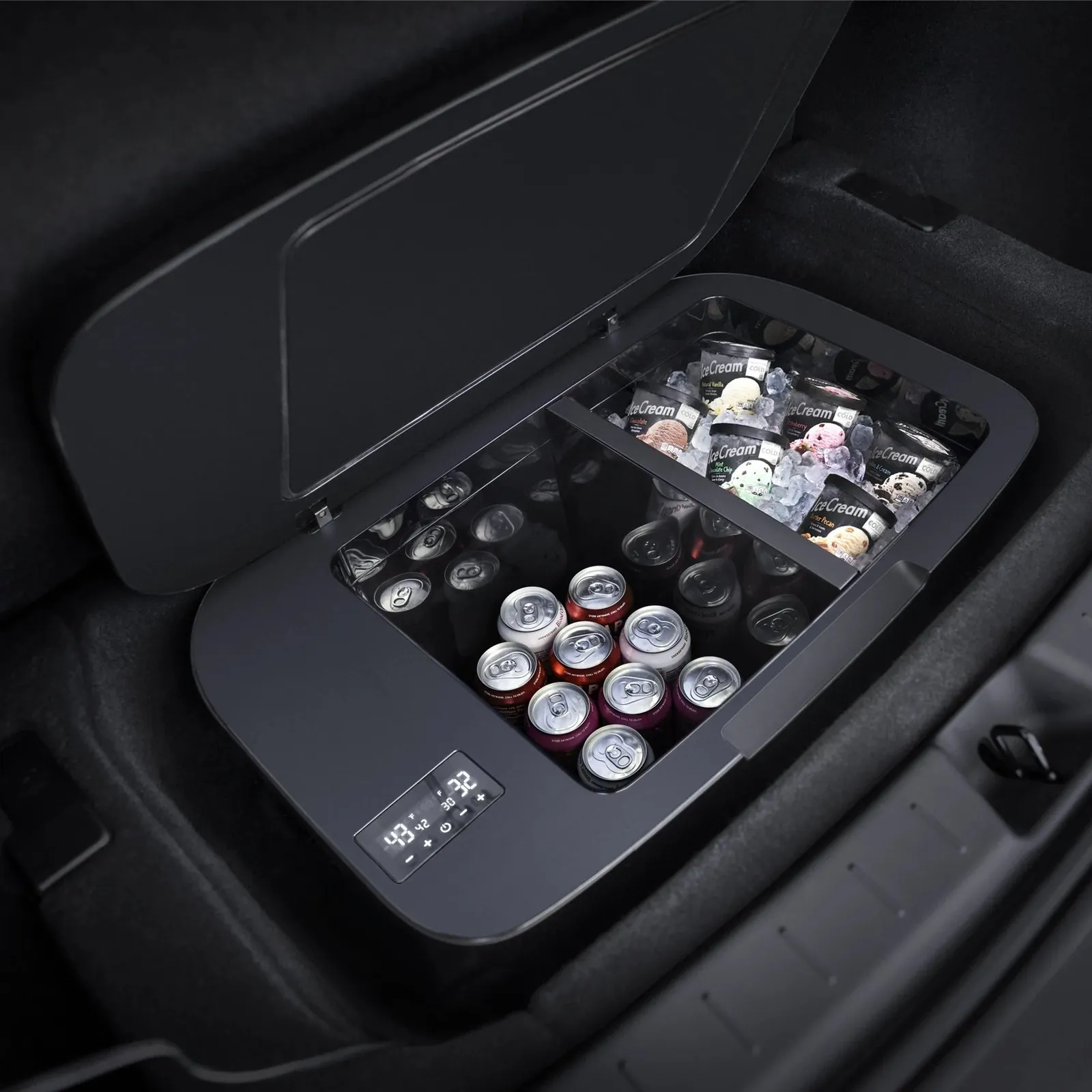
Tesla's $825 Model Y Fridge: Canadian Owners Report Overheating Shutdowns
4 min read
Tesla's Model Y Dual Zone Fridge costs $825 in Canada, but owners report the 12V power socket it plugs into can overheat and cut power for days at a time. What buyers should know before ordering.
The Charge Brief
Get Canada’s EV transition in your inbox
One email a day. No spam, unsubscribe anytime.