
Tesla Powerwall in Canada 2026: Is It Worth It for Ontario and Quebec Homes?
Tesla Powerwall in Canada — cost, installation, net metering value, and whether a home battery makes financial sense in Ontario and Quebec electricity markets.
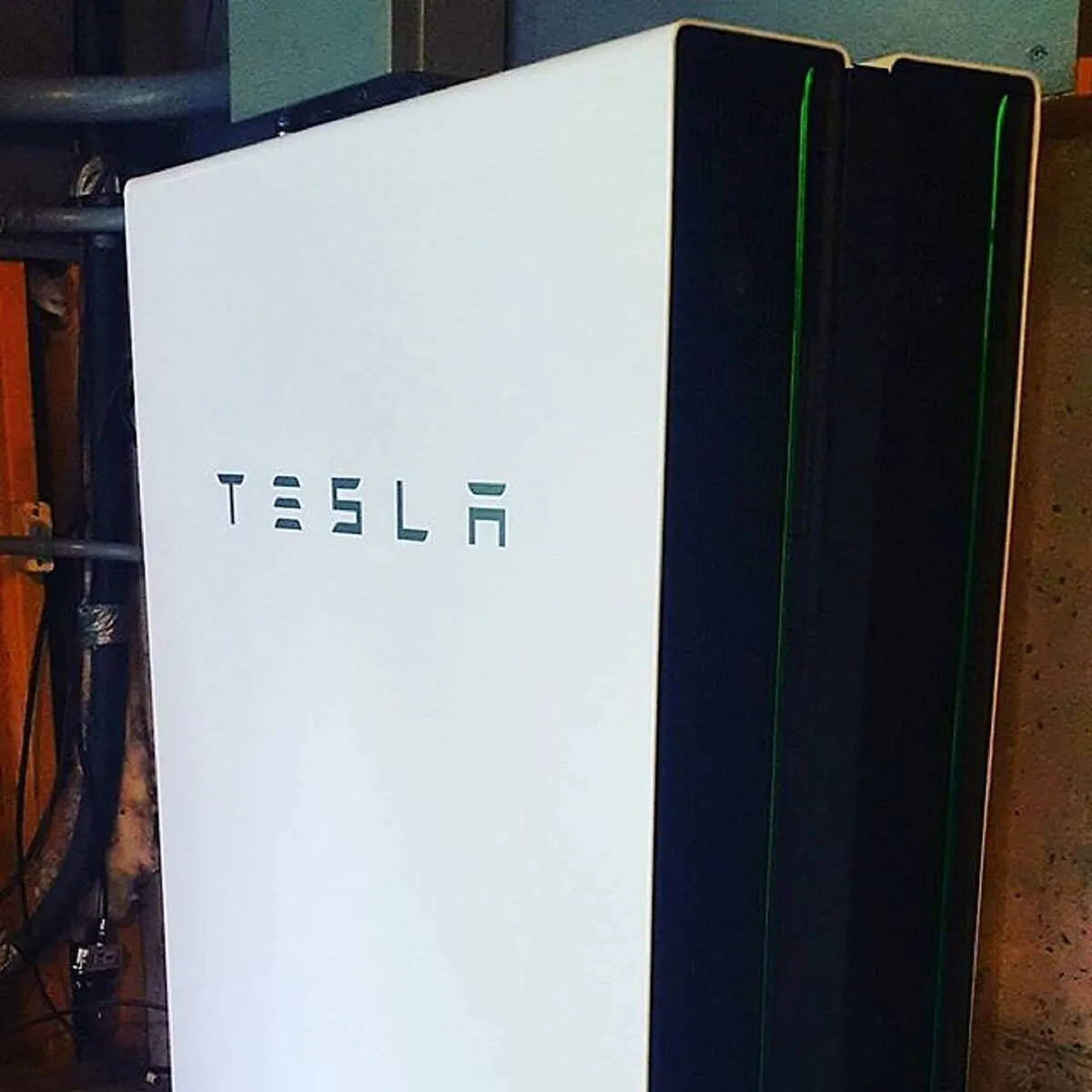
The Tesla Powerwall is the most recognizable home battery in Canada, and it's been installed in thousands of Ontario and Quebec homes since its Canadian launch. But the financial case for a home battery in Canada depends heavily on your electricity market — Powerwall makes more economic sense in Ontario's time-of-use environment than in Quebec's flat-rate hydro market, and the payback math varies considerably depending on whether you also have solar panels.
What Powerwall does
The Powerwall stores electricity from the grid or from solar panels and discharges it during peak-rate hours or during power outages. A single Powerwall stores 13.5 kWh — enough to power a typical Canadian home's essential circuits for 6–10 hours during an outage, or to offset a meaningful portion of time-of-use electricity costs in a TOU market. The second-generation Powerwall supports stacking up to 10 units for larger homes, but most Canadian installations use one or two units.
Ontario economics
Ontario's time-of-use rates create a natural arbitrage opportunity for home batteries. Charge the Powerwall from the grid at off-peak rates — roughly 8–10 cents/kWh overnight — and discharge it during peak hours when rates hit 18–24 cents/kWh. The spread between off-peak and peak is 15–20 cents/kWh, which means a full Powerwall cycle saves $2.00–$2.50 per day. Over a year, that's $700–$900 in TOU arbitrage savings, which chips away at the hardware cost. During storm season, the backup value is harder to price but real.
Quebec economics
Quebec's flat-rate hydro rates are among the lowest in North America — typically 6–9 cents/kWh with minimal time-of-use variation. There's no meaningful TOU arbitrage opportunity, which removes the primary economic argument for a Powerwall in Quebec. The backup value remains — Hydro-Québec's grid is reliable but not infallible, and a Powerwall provides seamless outage protection — but the financial payback stretches well beyond the battery's useful life without the TOU spread. Quebec buyers should treat Powerwall as a resilience purchase, not an investment.
Solar pairing
A Powerwall paired with solar panels is the strongest Canadian use case. Solar generates during the day when you're at work; the Powerwall stores excess production for evening use when you're home and rates are higher. The combination of solar-plus-storage maximizes self-consumption and minimizes grid dependence. In Ontario, a 10 kW solar array with two Powerwalls can achieve 70–80% energy independence; in Quebec, the same system achieves similar independence but without the TOU savings because rates are flat.
Cost and installation
A single Powerwall unit costs roughly $12,000–$15,000 CAD before installation in Canada. Installation adds $2,000–$5,000 depending on electrical work required. Tesla runs occasional promotions that reduce hardware cost, and some provincial programs offer battery storage rebates — check current program pages before budgeting. The hardware has a 10-year warranty, and Tesla guarantees 70% capacity retention at 10 years.
The bottom line
In Ontario, a Powerwall earns its cost through TOU arbitrage plus backup value over roughly 10–14 years. In Quebec, it's a resilience purchase with a longer payback horizon. In both provinces, pairing with solar panels improves the economics and increases independence. Buy a Powerwall for backup first, for savings second — the backup case is easier to justify in Canadian electricity markets.
Looking for EV deals, insurance, or financing? Check out our partner deals and offers.
If you found this guide helpful, use our Tesla referral link for free Supercharging credits on a new Tesla purchase or lease in Canada.

Next story · swipe left
Next story
Walmart Just Hit 100 Stores With 400 kW Charging. Here's How Canada's Retail Charging Race Stacks Up
4 min read
Big-box EV charging is scaling fast in the US. Canada's equivalent build-out is running through different players — grocers, coffee chains, and highway service centres.
The Charge Brief
Get Canada’s EV transition in your inbox
One email a day. No spam, unsubscribe anytime.