
vehicles
teslaTesla Robotaxi gets a massive upgrade in Nevada
Tesla’s robotaxi service in Nevada is expanding to cover the entire state, a major step toward autonomous ride-hailing. Tesla’s bold push into autonomous…
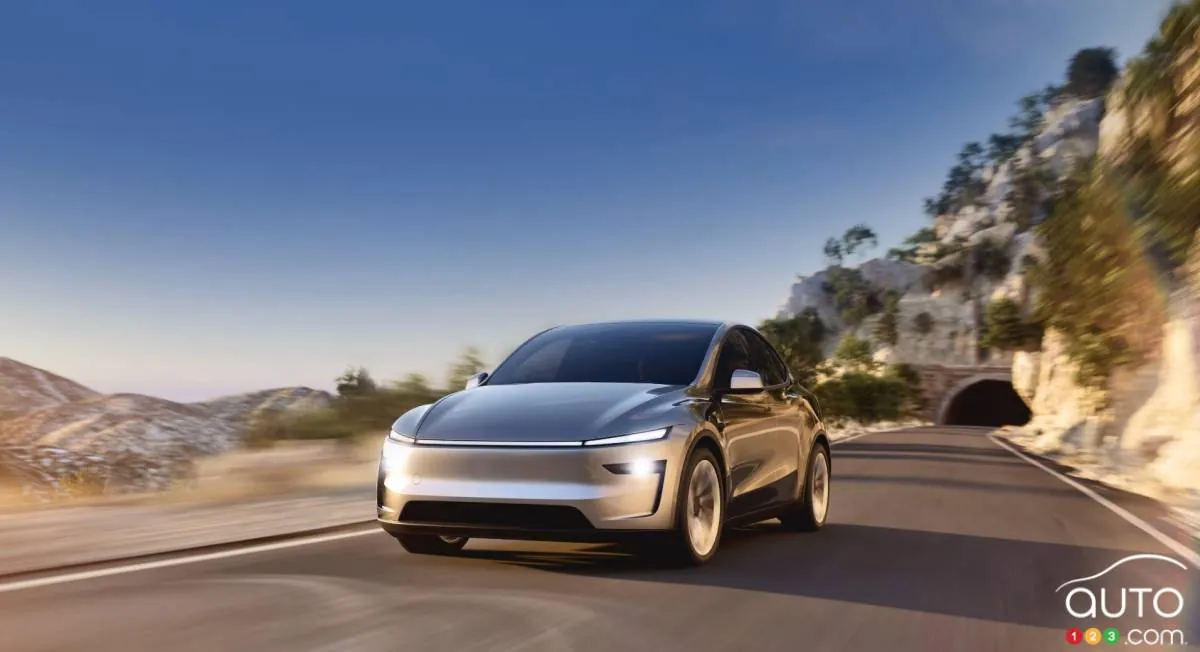
Tesla Robotaxi in Las Vegas" />
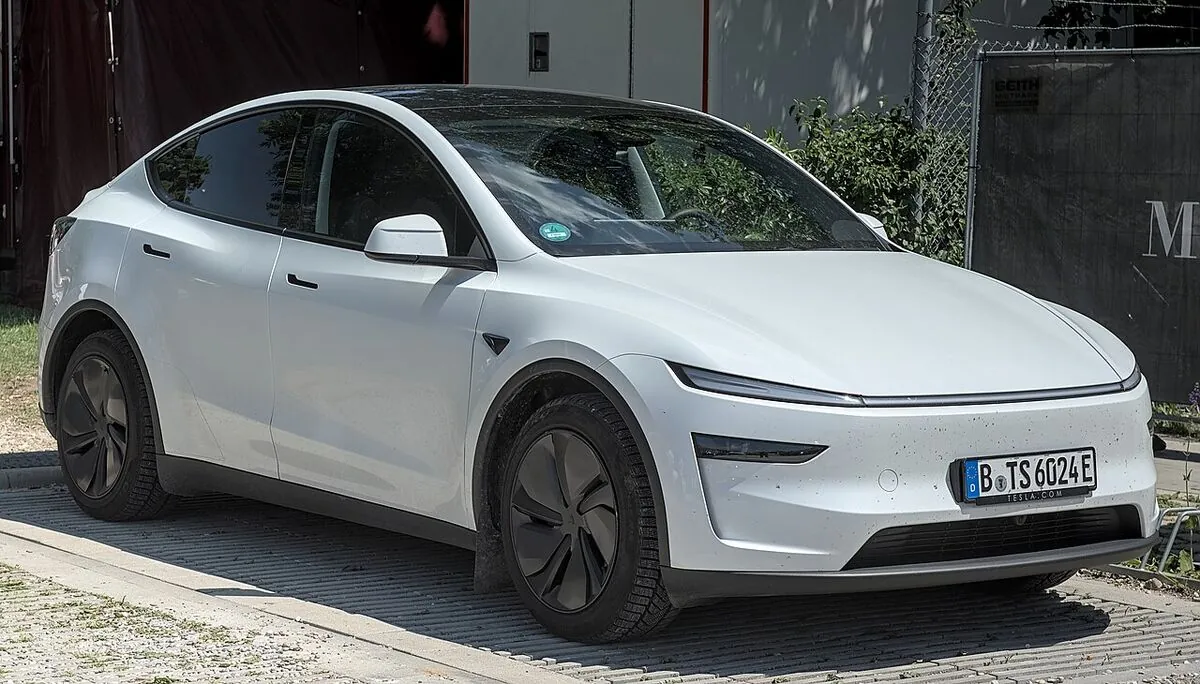
Tesla’s robotaxi service in Nevada is expanding to cover the entire state, a major step toward autonomous ride-hailing.
Tesla’s bold push into autonomous ride-hailing has taken a significant leap forward after Nevada regulators approved a major expansion of the company’s robotaxi fleet. The decision, announced this week, allows Tesla to operate its unmanned taxi service across the entire state—not just in Las Vegas, where it has been testing its Full Self-Driving (FSD) technology. This move positions Nevada as a key testing ground for Tesla’s vision of a driverless future, and it raises important questions for Canadian drivers and regulators watching closely from the north.
A Statewide Expansion for Tesla’s Robotaxi
The Nevada Transportation Authority (NTA) confirmed that Tesla’s robotaxi operations will now cover all of Nevada, including rural areas outside major cities. This is a major expansion from the previous pilot program, which was limited to Las Vegas. The approval follows Tesla’s demonstration of its FSD capabilities, including successful test rides with regulators and media.
For Tesla, this is more than just a regulatory milestone—it’s a strategic move to prove that its autonomous technology is ready for real-world deployment beyond controlled urban environments. The expansion also aligns with Tesla’s long-term goal of monetizing FSD through a ride-hailing network, which could eventually compete with Uber and Lyft.
What This Means for Canadian Drivers
While Tesla’s robotaxi service is currently limited to Nevada, Canadian drivers—and regulators—are closely watching the developments. Transport Canada has not yet approved fully autonomous vehicles for public use, but the country is gradually moving toward more advanced driver-assistance systems (ADAS) and eventually, self-driving cars.
If Tesla’s Nevada experiment proves successful, it could accelerate similar approvals in Canada. However, Canada’s regulatory framework is more cautious than Nevada’s, meaning any Canadian deployment would likely come years later. Still, the expansion in Nevada sets a precedent that could influence Transport Canada’s approach to autonomous vehicle regulations.
The Road Ahead for Tesla’s FSD
Tesla’s FSD technology remains controversial, with critics questioning its safety and regulatory bodies scrutinizing its real-world performance. However, the Nevada expansion suggests that regulators are increasingly confident in Tesla’s ability to operate autonomously.
For Canadian Tesla owners, this development highlights the importance of staying informed about FSD updates and regulatory changes. While full robotaxi service isn’t coming to Canada anytime soon, the technology being tested in Nevada could eventually trickle northward—first in advanced driver-assistance features, then in fully autonomous ride-hailing.
What’s Next?
Tesla has yet to announce a timeline for broader commercial deployment of its robotaxi service, but the Nevada approval is a clear signal that the company is serious about scaling up. For now, Canadian drivers will have to wait and see how this unfolds—while keeping an eye on Tesla’s progress in the U.S.
One thing is certain: Nevada’s decision is a major step forward for autonomous vehicles, and Canada won’t be able to ignore it for long.
Looking for EV deals, insurance, or financing? Check out our partner deals and offers.
If you found this guide helpful, use our Tesla referral link for free Supercharging credits on a new Tesla purchase or lease in Canada.
Next story · swipe left
Next story
Tesla Model Y in Canada 2026: Still the EV Benchmark?
7 min read
Tesla Model Y review for Canada in 2026 — range, charging, software, build quality, and whether it still dominates the EV market after years of dominance.
The Charge Brief
Get Canada’s EV transition in your inbox
One email a day. No spam, unsubscribe anytime.