policy
teslaTesla Cleared to Deploy 5,000 Robotaxis in Nevada: “The Golden Future Is Upon Us”
Tesla has received the green light from Nevada regulators to launch a commercial robotaxi service, marking a significant milestone in the company’s push…
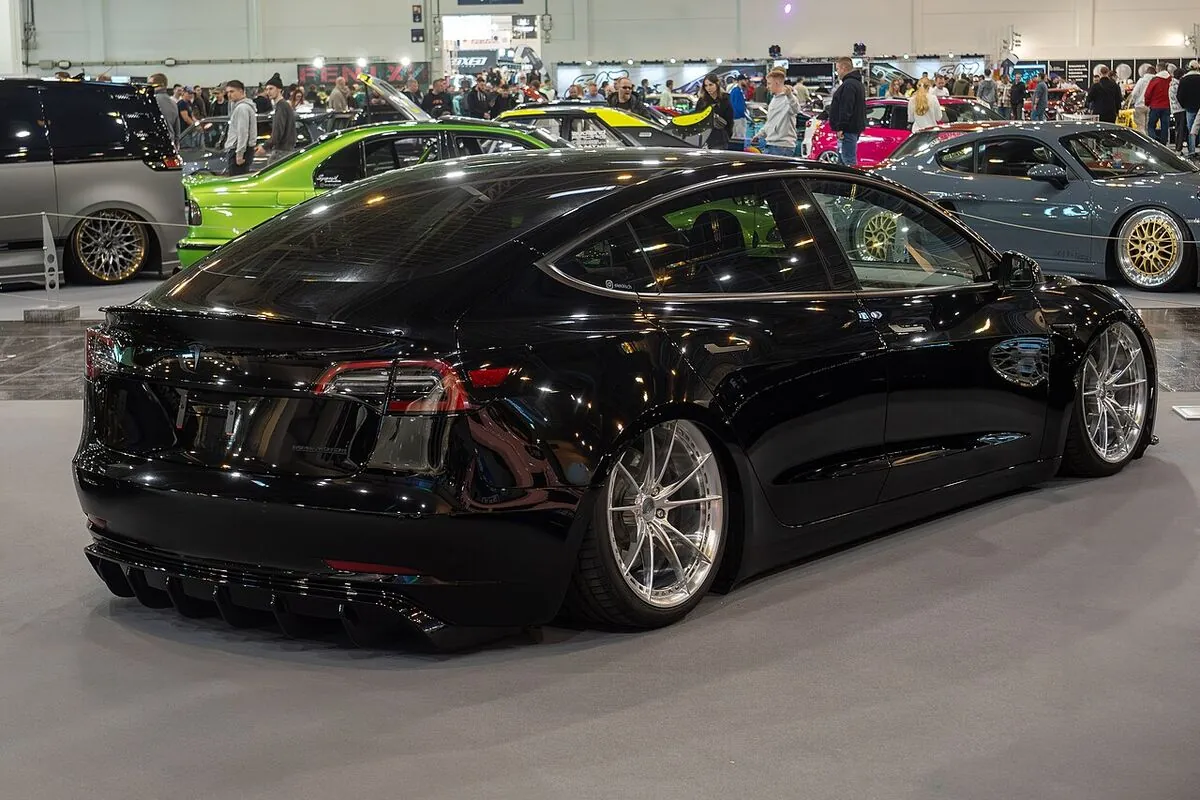
Tesla has received the green light from Nevada regulators to launch a commercial robotaxi service, marking a significant milestone in the company’s push toward fully autonomous ride-hailing. The Nevada Transportation Authority (NTA) granted Tesla full approval to deploy up to 5,000 self-driving vehicles for public, paid passenger service across the state. This development follows years of testing and regulatory scrutiny, positioning Nevada as a key early market for Tesla’s ambitious Full Self-Driving (FSD) vision.
The approval allows Tesla to operate its robotaxis without human drivers behind the wheel, relying solely on its advanced FSD software, currently in its 12th iteration (FSD v12). According to the NTA’s decision, Tesla’s fleet will initially be limited to designated areas but can expand as safety and operational data are collected. The move aligns with Tesla CEO Elon Musk’s long-standing promise to revolutionize transportation through autonomous technology, though the timeline for broader adoption remains uncertain.
What This Means for Tesla and the EV Industry
For Tesla, this approval is more than just a regulatory win—it’s a validation of its AI-driven approach to autonomy. Unlike competitors such as Waymo or Cruise, which use lidar and other sensing technologies, Tesla’s system relies primarily on cameras and neural net-based software. Proving this model in a real-world, revenue-generating service could accelerate adoption in other U.S. states and, eventually, internationally.
The financial implications are substantial. Analysts have long speculated that robotaxis could become a major revenue stream for Tesla, potentially surpassing its core vehicle sales business. If successful in Nevada, the model could expand to other markets, though Canadian regulators have yet to signal when—or if—they might permit similar operations. Currently, Canada’s autonomous vehicle testing is limited to pilot programs in provinces like Ontario, with strict oversight and human supervision requirements.
Canadian Perspective: When Might Robotaxis Arrive?
While Nevada’s approval is a breakthrough, Canadian EV enthusiasts may wonder when they’ll see Tesla robotaxis on local roads. The answer, for now, is not soon. Transport Canada and provincial authorities have taken a cautious approach to autonomous vehicles, prioritizing safety and public acceptance. Unlike the U.S., where some states (like Nevada and California) have embraced AV testing, Canada’s regulatory framework remains in early stages.
That said, Tesla’s progress in Nevada could influence discussions north of the border. If the service demonstrates safety and reliability, Canadian policymakers may face pressure to adapt. For now, Canadians can expect continued FSD beta testing for personal use, but commercial robotaxis are likely years away—assuming they arrive at all.
Challenges Ahead
Despite the excitement, Tesla’s robotaxi venture is not without risks. Past incidents involving autonomous vehicles, including Tesla’s own FSD-related accidents, have raised concerns about public safety. The NTA’s approval comes with strict conditions, including mandatory reporting of crashes and system failures. Additionally, public trust remains a hurdle; many consumers are still skeptical of riderless cars, especially in dense urban environments.
There’s also the question of scalability. Deploying 5,000 robotaxis is a start, but Tesla’s ultimate goal is a global network of millions. Whether the company can achieve that—while maintaining safety and profitability—remains to be seen.
A Step Toward the Future
Nevada’s decision is a bold step forward for autonomous transportation, and Tesla’s success (or failure) here will shape the industry’s trajectory. For Canadian Tesla owners and EV fans, it’s a development worth watching closely. While robotaxis may not be cruising Toronto or Vancouver streets anytime soon, the technological and regulatory groundwork being laid today could pave the way for tomorrow’s autonomous mobility—wherever the road may lead.
Looking for EV deals, insurance, or financing? Check out our partner deals and offers.
If you found this guide helpful, use our Tesla referral link for free Supercharging credits on a new Tesla purchase or lease in Canada.
Next story · swipe left
Next story
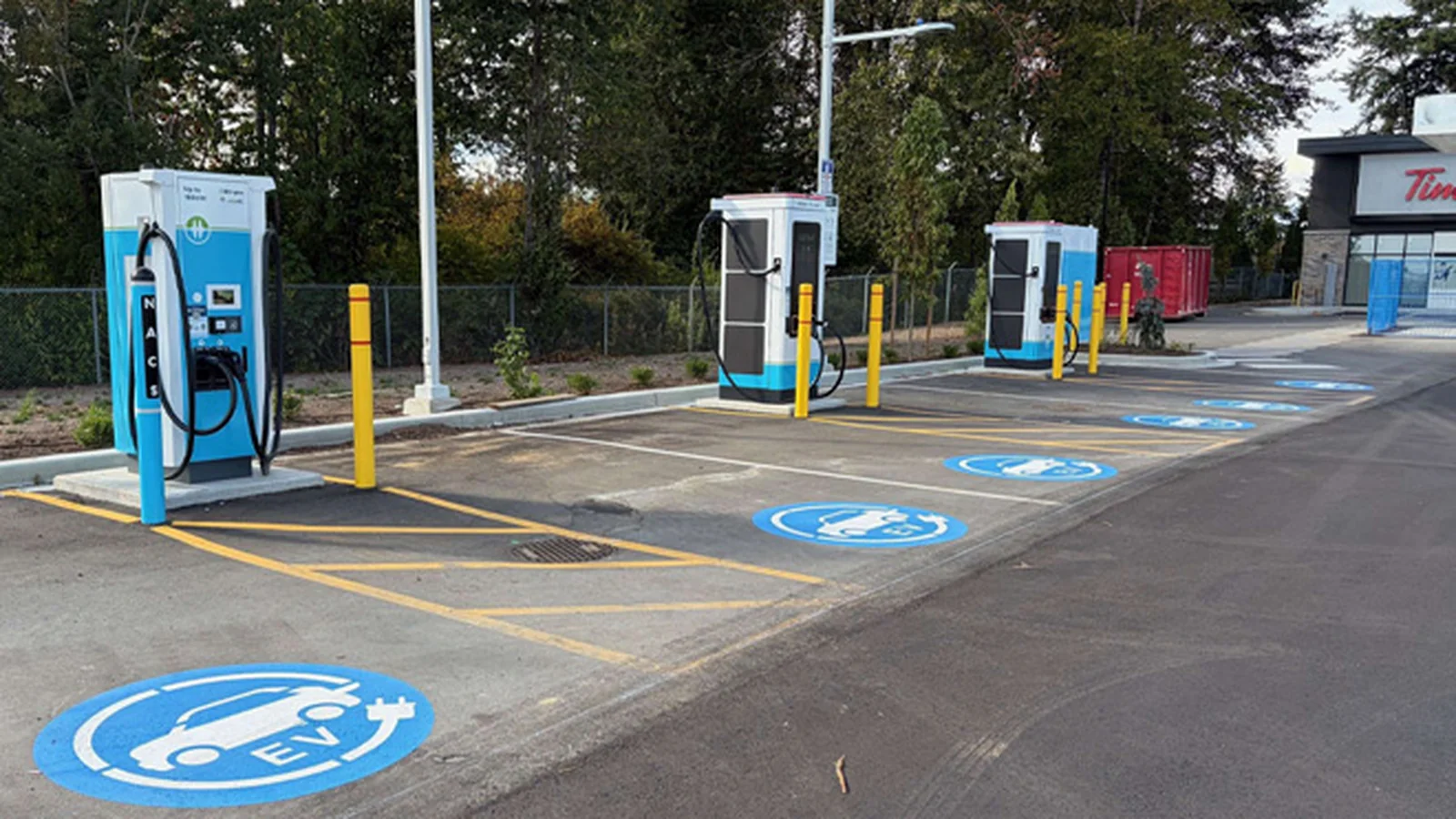
BC Hydro Opens Abbotsford & Esquimalt Fast Charging With NACS Connectors
4 min read
BC Hydro adds two new fast-charging sites in B.C.'s Fraser Valley and on Vancouver Island — both with Tesla NACS connectors alongside CCS and CHAdeMO.
The Charge Brief
Get Canada’s EV transition in your inbox
One email a day. No spam, unsubscribe anytime.