
Is the Tesla Cybercab Available in Canada? Austin Launch, Timeline, and What It Costs to Ride
Tesla's Cybercab officially joined the Austin Robotaxi fleet on September 4, 2026 — public rides begin at 5 p.m. CT. The two-seater has a sub-0.20 drag coefficient, no steering wheel or pedals, and uses inductive charging.
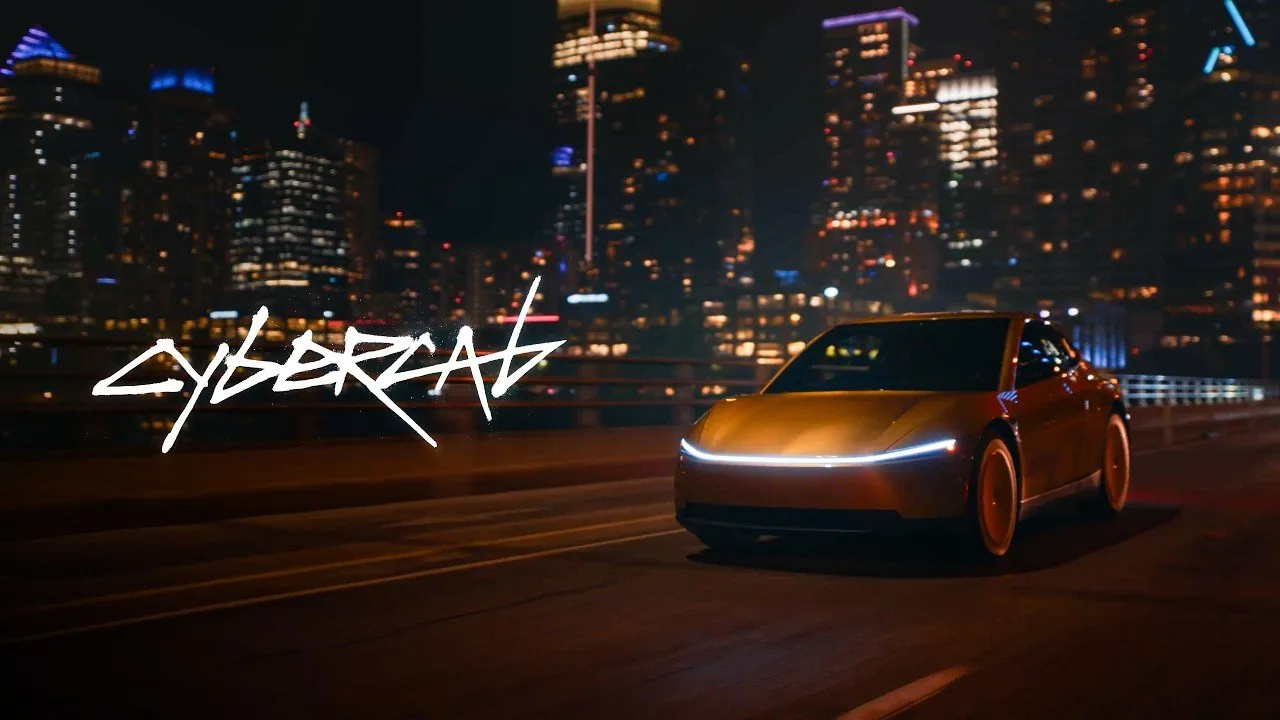
Tesla's Cybercab is no longer a prototype. On September 4, the purpose-built robotaxi officially joined the company's Austin Robotaxi fleet, and public rides open to customers at 5 p.m. CT. The event took place the evening before at Tesla's Austin launch presentation, where the company disclosed new technical details — including a drag coefficient below 0.20, making it one of the most aerodynamic production vehicles ever developed.
The two-seater cabin is intentional: Tesla says more than 80 percent of rides involve two passengers or fewer. The vehicle has no steering wheel and no pedals, relying entirely on the company's Full Self-Driving (Supervised) stack. Inductive charging replaces a conventional plug, and the exterior panels are injection-moulded from recycled materials, eliminating the need for a paint shop. Tesla calls the new assembly approach "Unboxed manufacturing," saying it cuts line size by 50 percent while allowing substantially higher output.
How the ride-hailing experience works
Before a Cybercab arrives, Tesla's Robotaxi network searches for the nearest available vehicle — including those finishing an existing trip — and selects whichever can reach the passenger fastest. Dynamic pricing balances supply and demand in real time, similar to how existing ride-hailing apps adjust fares during surge periods.
Once assigned, Cybercab pulls preferences stored in the rider's Tesla account: temperature, seat position, and media accounts load automatically. A colored front light bar and configurable interior lighting help passengers identify their assigned vehicle, while the Robotaxi app displays a compass pointing toward the correct car. Grok is integrated by voice, touchscreen, or app for ride and vehicle controls. Tesla describes the cabin as a "second living room," with video, music, and work capabilities during the trip.
Accessibility features include Braille on the doors, pull-over buttons, and wide butterfly doors. Tesla says it consulted disability groups and first responders during development.
The Canadian connection
Cybercab rides are not available in Canada at launch — Tesla's Robotaxi service currently operates only in six U.S. cities, and no Canadian province has a regulatory framework for commercial driverless operation. The clearest Canadian signal is indirect: Tesla has posted an AI Safety Operator role in Ottawa whose duties include overseeing ride-hailing operations, suggesting early groundwork is being laid. Whether Canadians get to hail a Cybercab within the next 12 months depends on Transport Canada and provincial regulators, not Tesla's engineering timeline.
As of the launch event, Tesla's broader Robotaxi fleet — including Model 3 and Model Y vehicles already carrying paying riders — has accumulated more than 1 million miles of unsupervised driving. The company registered 45 Cybercab units with the Texas DMV ahead of the launch, so initial fleet size is likely capped at that number until additional registrations are filed.
Looking for EV deals, insurance, or financing? Check out our partner deals and offers.
If you found this guide helpful, use our Tesla referral link for free Supercharging credits on a new Tesla purchase or lease in Canada.
Next story · swipe left
Next story
EV Charging in Canada 2026: Networks, Costs, and Road Trip Tips
7 min read
EV charging across Canada in 2026 — major networks, per-kWh pricing, road trip routes, and how to plan long-distance travel without range anxiety.
The Charge Brief
Get Canada’s EV transition in your inbox
One email a day. No spam, unsubscribe anytime.