
technology
teslaTesla Cybercab Launch Event Set for September 3 in Austin: What We Know
Tesla is sending invitations for a September 3 Cybercab launch event in Austin, Texas — the purpose-built robotaxi with no steering wheel or pedals. Here is what is confirmed, and what it means for Canada.
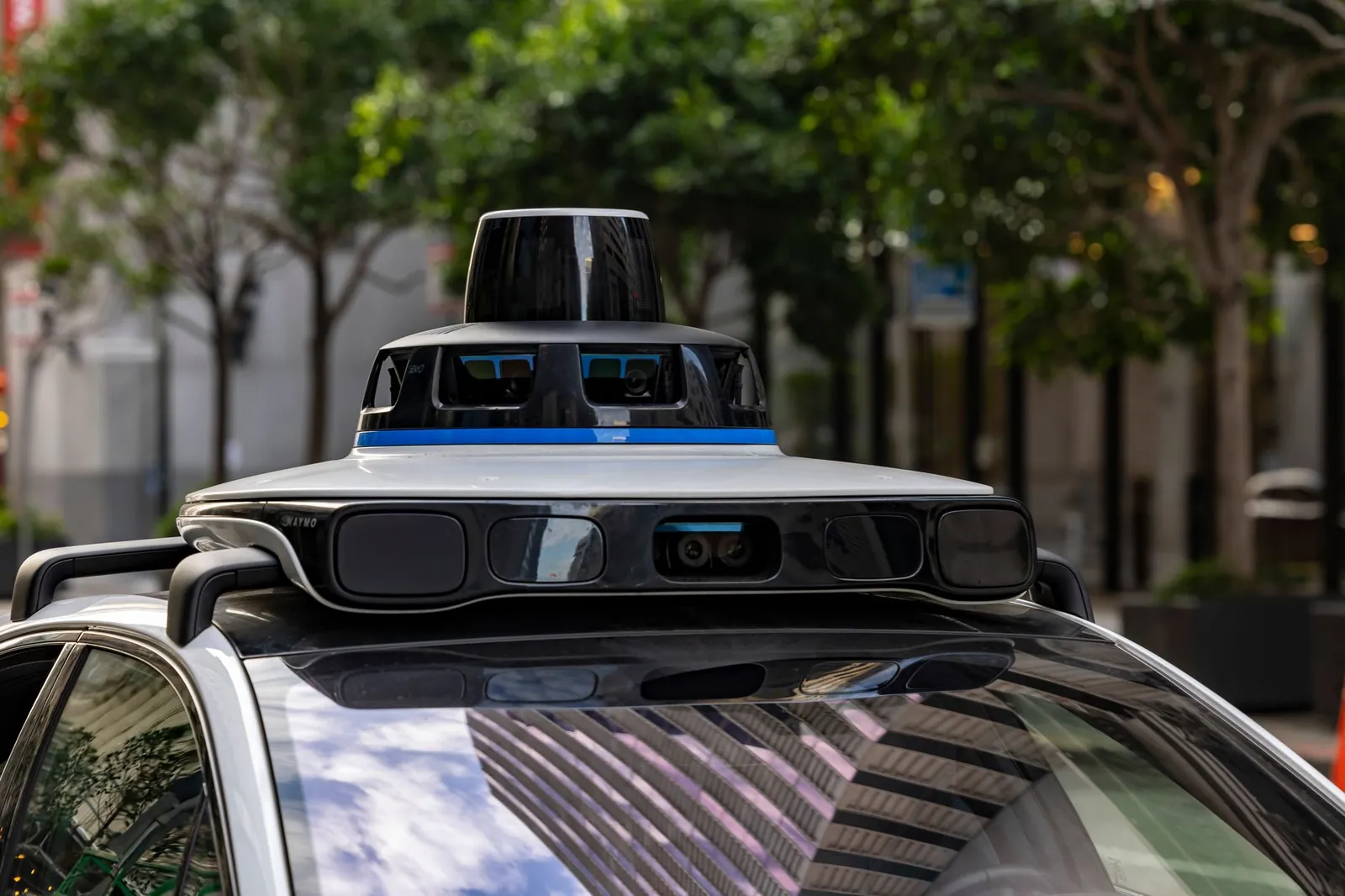
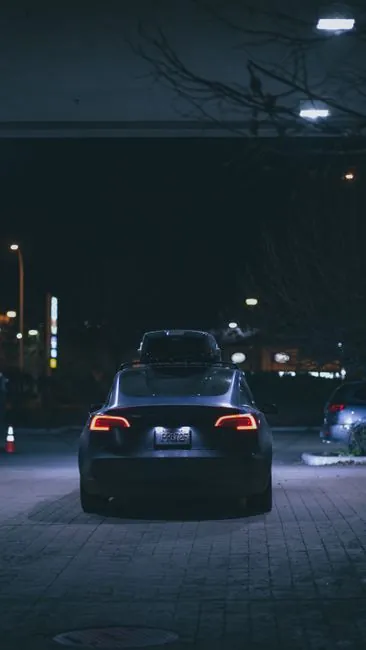
Tesla has started sending invitations for its Cybercab launch event, confirming the date and location: Austin, Texas, on September 3, 2026. The two-seat, purpose-built robotaxi with no steering wheel or pedals is the physical centerpiece of Tesla's autonomy strategy, and the event marks the moment the vehicle transitions from prototype sightings to an official launch. The invitation asks guests to "Join us for our Cybercab Launch Event and experience the future of full autonomy," with RSVPs due by 11:59 p.m. Pacific on August 30.
What the fine print says
The invitation carries unusual restrictions that hint at how Tesla wants the launch controlled. Guests can bring one plus-one, but the guest cannot be a content creator — a move that appears to address concerns about favouritism in who gets access to Tesla events. The event is also restricted to attendees 21 and older, the most restrictive age limit the company has used for a launch event. Food and refreshments are provided, and additional logistics details go out to confirmed attendees after the RSVP deadline.
How Tesla built toward September 3
The event did not appear out of nowhere. Tesla ran a promotion giving riders who used the Austin Robotaxi service between August 17 and 23 a chance to attend the launch event, with five winners to be notified on August 25. Reporting from The Information in mid-August said Tesla was preparing an August launch of the Cybercab starting with employee rides, and purpose-built units without steering wheels have been spotted at Giga Texas ahead of mass production. The September 3 event lines up with reports that Tesla is preparing to introduce the Cybercab into its Austin Robotaxi fleet, alongside the Model 3 and Model Y vehicles that currently carry riders.
Does the Cybercab come to Canada?
Not at launch, and likely not for a while. Tesla's Robotaxi service currently operates in six U.S. cities — Austin, Dallas, Houston, Miami, Orlando, and Tampa — with supervised ride-hailing in the Bay Area, and no market outside the United States has service yet. The clearest Canadian signal so far is indirect: Tesla posted an AI Safety Operator job in Ottawa requiring duties that include "overseeing daily operations of ride-hailing services including driver/rider management," wording that differs from the test-operator postings that preceded FSD's Canadian expansion. That suggests data collection and early operational groundwork is starting, but a Canadian service would still need provincial regulatory approvals for driverless operation, which do not exist yet in any province for a commercial robotaxi fleet.
Why the steering wheel matters
The Cybercab is significant because it is Tesla's first vehicle with no manual controls at all — if the demonstration hardware fails, there is no human backup behind the wheel. It uses inductive charging rather than a plug, according to prototype observations, and early EPA certification filings have already surfaced specs for the production version. For Canadians, the September 3 event is worth watching as the template for how a no-controls vehicle gets approved, insured, and deployed — questions Transport Canada and provincial regulators will eventually have to answer if Tesla brings the platform north.
Looking for EV deals, insurance, or financing? Check out our partner deals and offers.
If you found this guide helpful, use our Tesla referral link for free Supercharging credits on a new Tesla purchase or lease in Canada.
Next story · swipe left
Next story
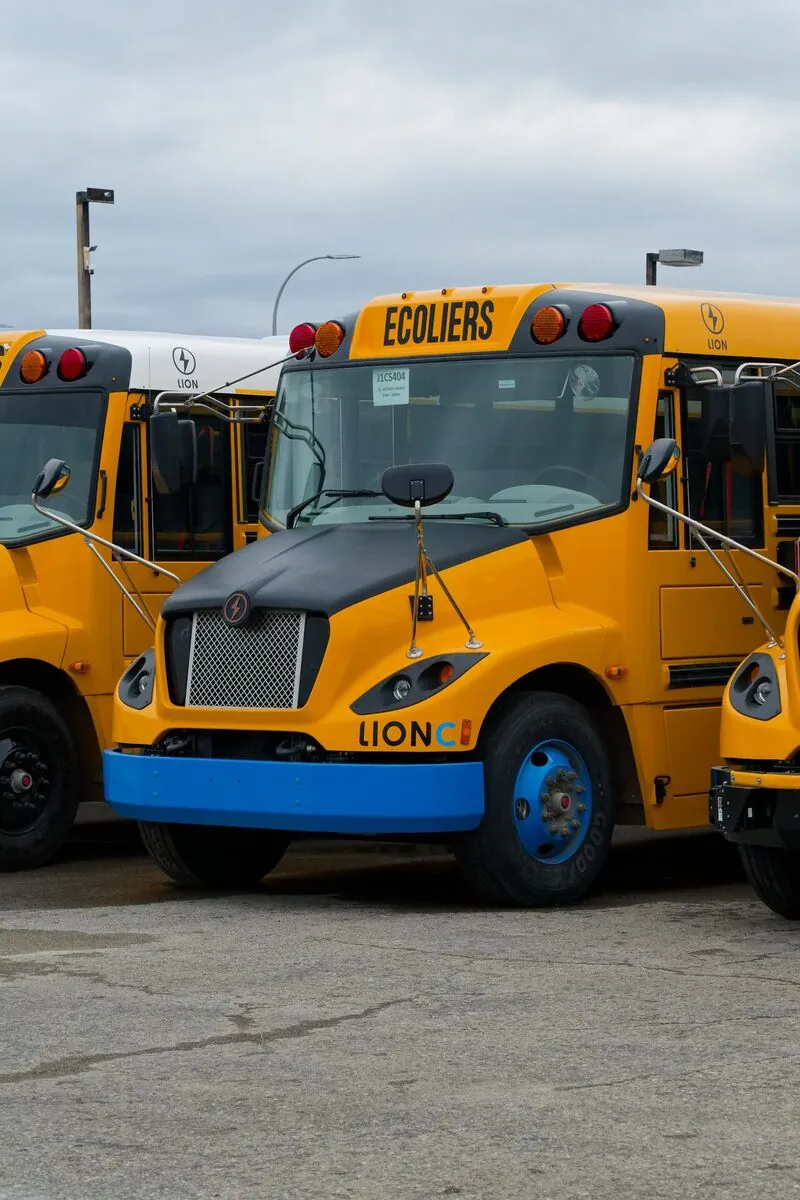
Colorado's largest electric school bus fleet gets a 26-plug charging hub
3 min read
Colorado’s largest electric school bus fleet adds a 26‑plug charging hub to keep 28 zero‑emission buses on the road By [Your Name], Tesla News Canada…
The Charge Brief
Get Canada’s EV transition in your inbox
One email a day. No spam, unsubscribe anytime.