
infrastructure
chargingNew Brunswick Has 596 Charger Ports — But EV Drivers Say Too Many Aren't Working
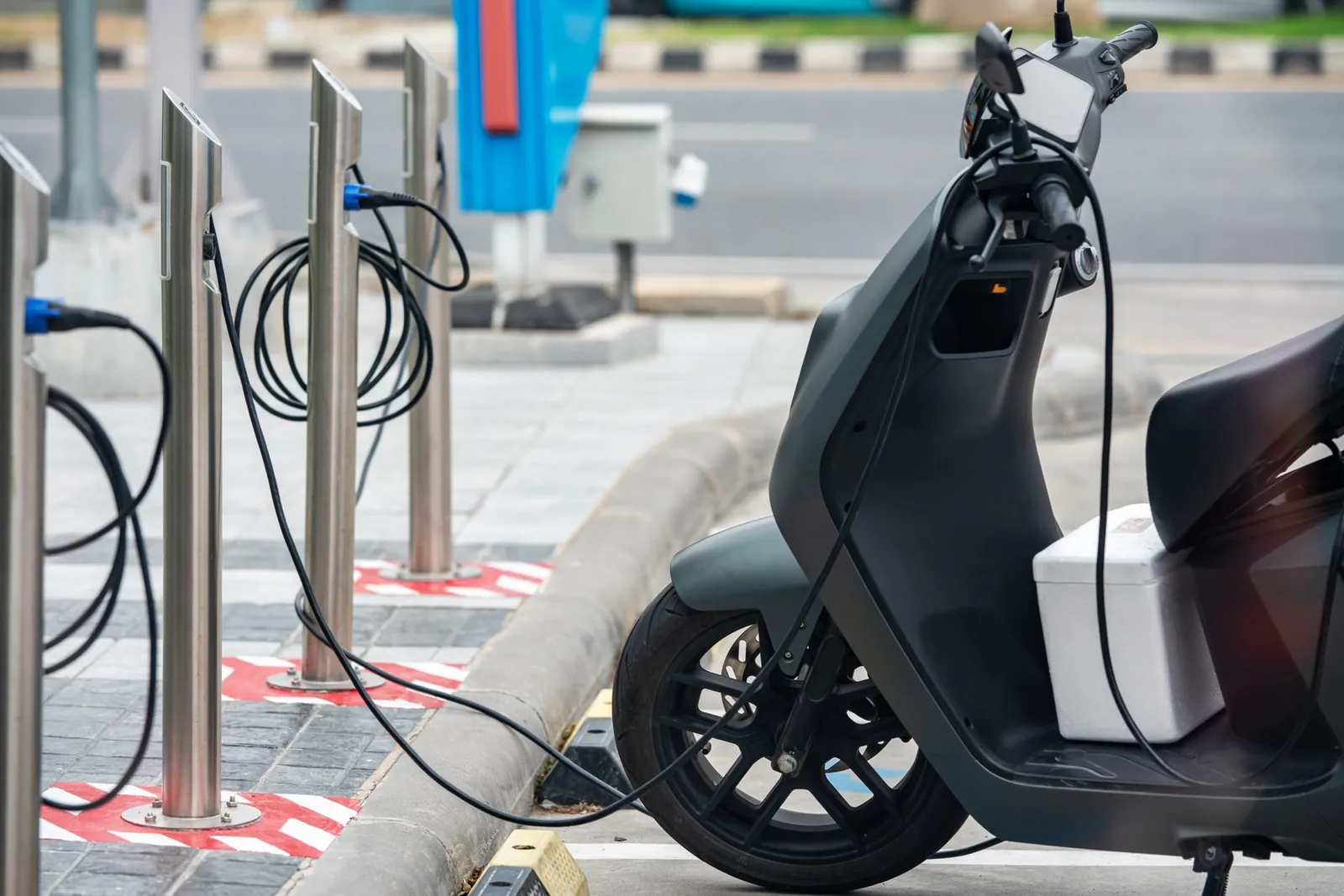
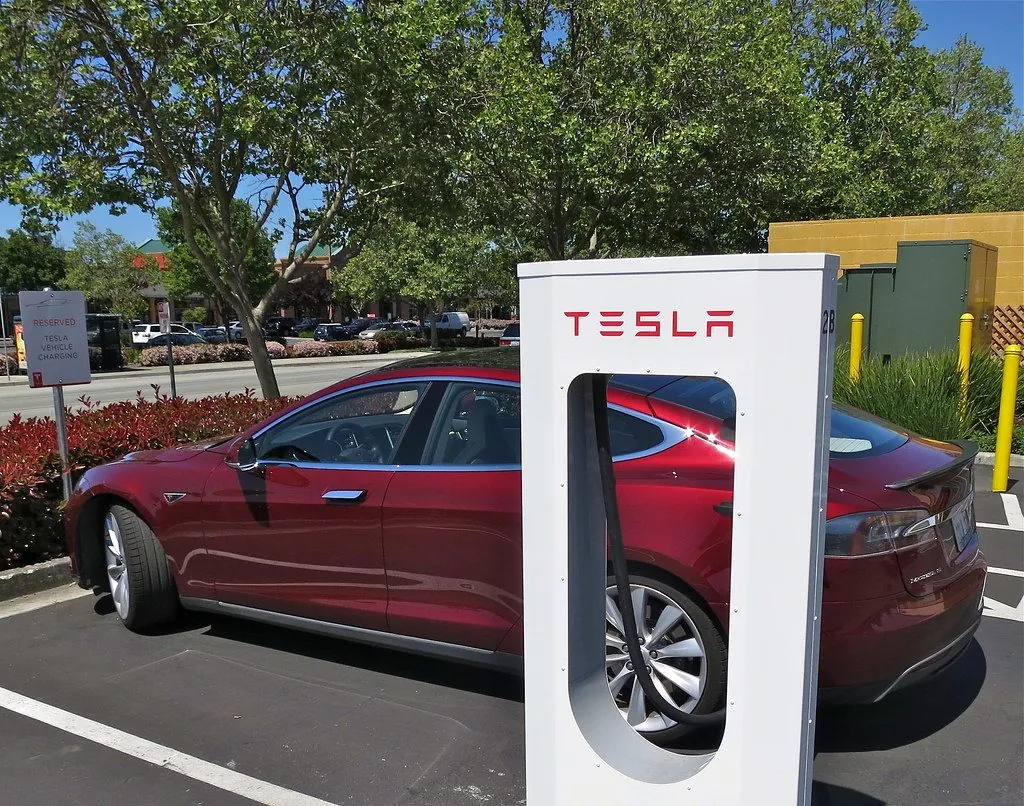
New Brunswick's $5-million charger fund will add 16 fast-charging stations, but the head of New Brunswick EV says the bigger fix is keeping existing chargers online. The province has 294 charging locations and 596 ports.
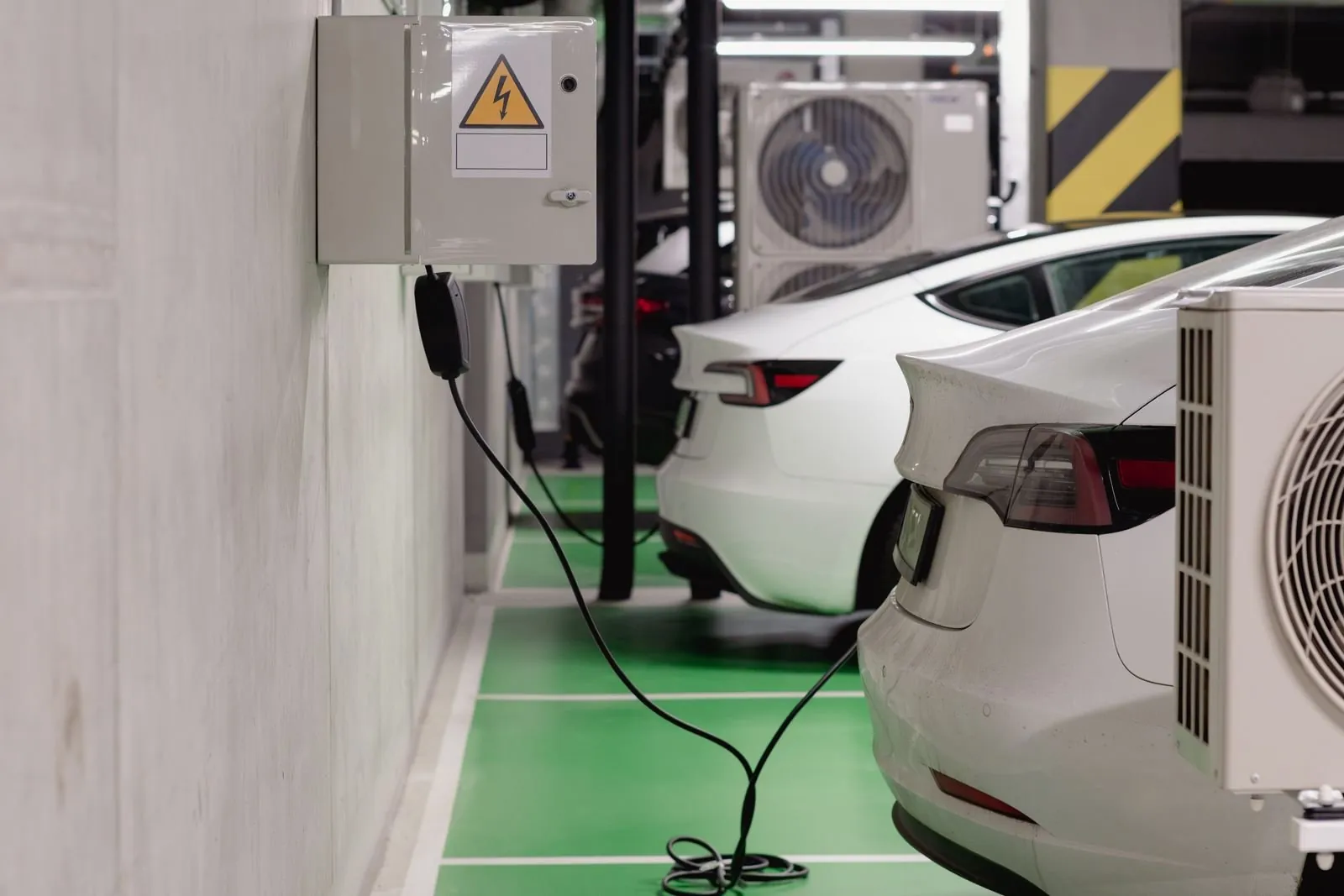
New Brunswick is putting $5 million into new electric-vehicle charging infrastructure, but one of the province's leading EV advocates says the money should also target a less glamorous problem: chargers that exist but don't work. "It's not so much that there isn't charging infrastructure," Tracy Miersch, president of the advocacy non-profit New Brunswick EV, told CBC News. "Currently, the problem is chargers not being online, active, and available for use."
The provincial funding, announced in early August, will bring 16 new fast-charging stations — 29 new ports in total — to underserved parts of the province, according to N.B. Power project co-ordinator Ronnie Kingston. He defined those as areas where there is more than 60 to 100 kilometres between stations, with specific locations still to be determined.
What New Brunswick's charging network looks like now
According to the Government of Canada's charging dashboard, New Brunswick has 294 charging locations with a combined 596 ports. Nova Scotia, the region's most populated province, has roughly 323 locations and just over 700 ports.
- 16 fast-charging stations, 29 ports planned under the new $5-million fund
- 294 locations / 596 ports already in the province, per the federal dashboard
- 60–100 km gaps define the "underserved" areas the new stations will target
Miersch said she hopes the new build includes adding ports at existing busy locations, which would ease frustration "during peak times — evenings, weekends and during peak tourist seasons." Nova Scotia drivers Sam and Ruth Gatenby, who recently charged in Oromocto, echoed the reliability concern: "We haven't had a problem finding them; we've had a problem finding those that are serviceable."
The data gap: nobody knows how many chargers are down
Beyond hardware, Miersch pointed to a data problem. Crowd-sourced apps like PlugShare show where stations are, but can't reliably indicate whether every charger at a station is working — and the federal platform doesn't convey real-time status either. "We don't actually have a good count of how many chargers are online and how many are sitting offline," she said.
EV sales dipped in N.B. — but not for lack of interest
Nationwide, EV sales rose roughly 26 per cent between January and June 2026 compared with the same period in 2025, according to Statistics Canada data. New Brunswick saw a roughly 20 per cent drop over the same timeframe — but Miersch attributes that to inventory, not demand, saying manufacturers are directing vehicles to provinces where they're more likely to sell.
The longer-term trend still points up: five zero-emission vehicles were registered in New Brunswick in the first quarter of 2017, versus 421 in the first quarter of 2026, while gasoline vehicle registrations slipped from 8,202 to 6,796. The province scrapped its EV rebate program in summer 2025 to shift attention to chargers, and N.B. Power's Kingston argued EV adoption will keep climbing as vehicle prices fall, even without a provincial rebate.
Looking for EV deals, insurance, or financing? Check out our partner deals and offers.
If you found this guide helpful, use our Tesla referral link for free Supercharging credits on a new Tesla purchase or lease in Canada.
Next story · swipe left
Next story
Canada Public EV Chargers Q1 2026: 39,220 Ports Across 10,693 Sites
7 min read
Transport Canada dashboard shows 39,220 public EV chargers in Canada as of March 31, 2026 — 30,741 Level 2 and 8,479 Level 3. Which provinces are building the most, and where are the charging gaps in 2026?
The Charge Brief
Get Canada’s EV transition in your inbox
One email a day. No spam, unsubscribe anytime.