
Tesla Semi Hits 98% Uptime as Diesel Costs Soar, Making Electric Trucking Economics Hard to Ignore
Tesla's Semi Rollout event in Nevada revealed >98% fleet uptime in 2026 vs 90-95% for diesel Class 8 trucks, plus electricity stable at ~$0.20/mile while diesel surged past $0.80/mile.
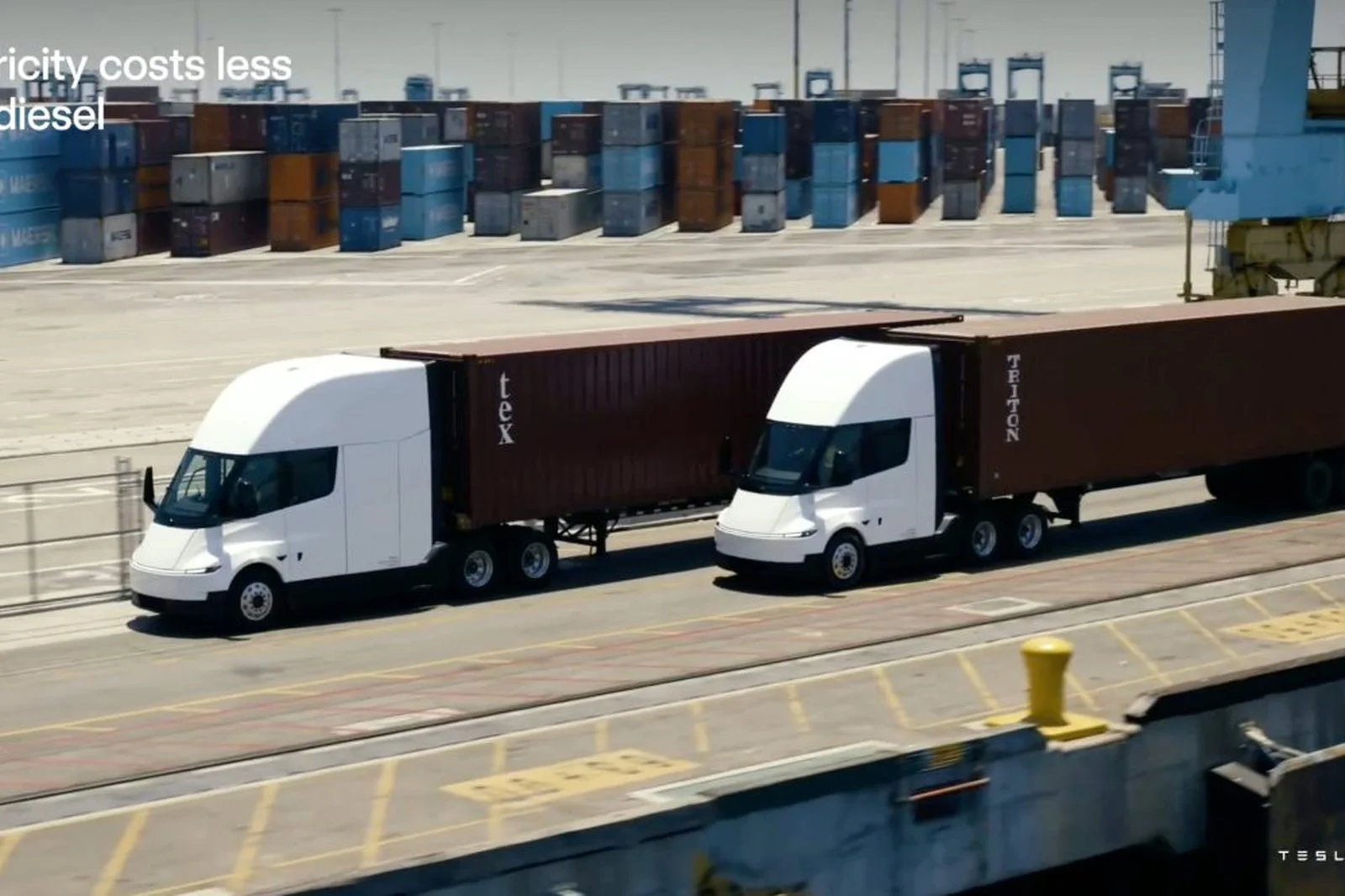
Tesla is making its case for why trucking companies should switch from diesel to electric, and the numbers from its Semi Rollout event in Sparks, Nevada on September 24 are difficult for fleet operators to ignore.
Uptime that beats the industry average
Tesla says its existing Semi fleet has achieved more than 98% uptime so far in 2026, compared to an industry average of approximately 90% to 95% for diesel Class 8 trucks. The company attributes this to the Semi requiring "almost no maintenance" — fewer mechanical components and a simplified drivetrain reduce the need for servicing.
During the event, Tesla Semi's official X account posted: "Semi requires almost no maintenance. For 2026, our year-to-date uptime was >98%."
Electricity costs a fraction of diesel
Tesla shared a chart titled "Electricity costs less than diesel," comparing the cost per mile of a diesel truck averaging 7 mpg against the Semi consuming 1.7 kWh per mile.
According to Tesla's data:
- Diesel costs have climbed from approximately $0.50 per mile earlier this year to more than $0.80 per mile by September
- Electricity has remained relatively stable over the past 20 years at just above or below $0.20 per mile
The comparison comes as US diesel prices have surged past $6.50 per gallon, nearly double their level a year ago. For a fleet operator running thousands of miles per truck, the $0.60+/mile gap compounds rapidly.
High-volume production begins in Nevada
The event also marked the official launch of high-volume production at Tesla's dedicated 1.8 million square foot Semi factory in Sparks, Nevada. The factory has an annual capacity of 50,000 trucks, with Standard Range (325 miles / 523 km), Long Range (500 miles / 805 km), and European-spec Semis all sharing the same assembly line.
Tesla is bringing much of manufacturing in-house: the factory produces its own stampings, batteries, drive axles, high-voltage distribution systems, cooling modules, and seats. The Semi is also the first Class 8 truck to use a powder-coated finish.
First customer deliveries went to PepsiCo, DHL, and US Foods. Tesla also confirmed it will use Semis to transport freight between its own facilities.
What this means for Canada
Canadian fleets are watching closely. R.R. Plett Trucking in British Columbia is preparing to receive 12 Semis in June 2027, alongside Megacharger installations planned for Langley and Kamloops. Bison Transport, based in Winnipeg, has already begun testing the Semi with its drivers in the Chicago area.
With diesel prices volatile and the Semi demonstrating >98% uptime, the economic case for electric Class 8 trucking in Canada is strengthening — especially for high-utilization routes where fuel savings compound fastest.
Looking for EV deals, insurance, or financing? Check out our partner deals and offers.
If you found this guide helpful, use our Tesla referral link for free Supercharging credits on a new Tesla purchase or lease in Canada.
Next story · swipe left
Next story
Tesla Doubling Port Hope Supercharger to 16 Stalls With New V4 Build
4 min read
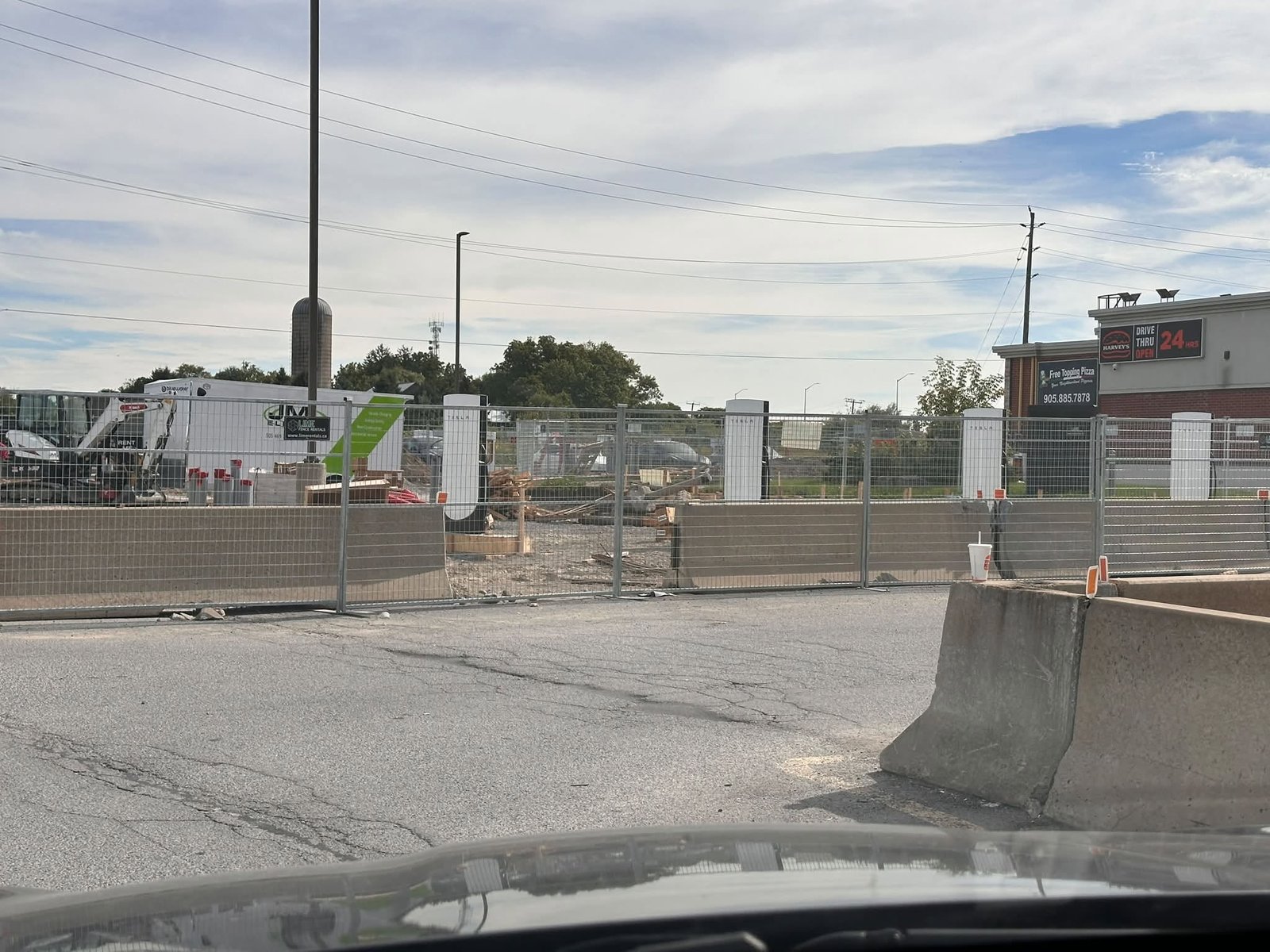
Construction is underway on eight new V4 Supercharger stalls at the Port Hope, Ontario station on Telephone Road just off Highway 401 — doubling the site from 8 to 16 stalls and adding modern high-power hardware to a busy Toronto–eastern Ontario corridor stop.
The Charge Brief
Get Canada’s EV transition in your inbox
One email a day. No spam, unsubscribe anytime.