
vehicles
EV Towing Capacity Canada 2026: Trucks and SUVs Tested
EV towing capacity in Canada tested on highways and hills — how far you can go with a trailer, which models perform best, and what range loss to expect.
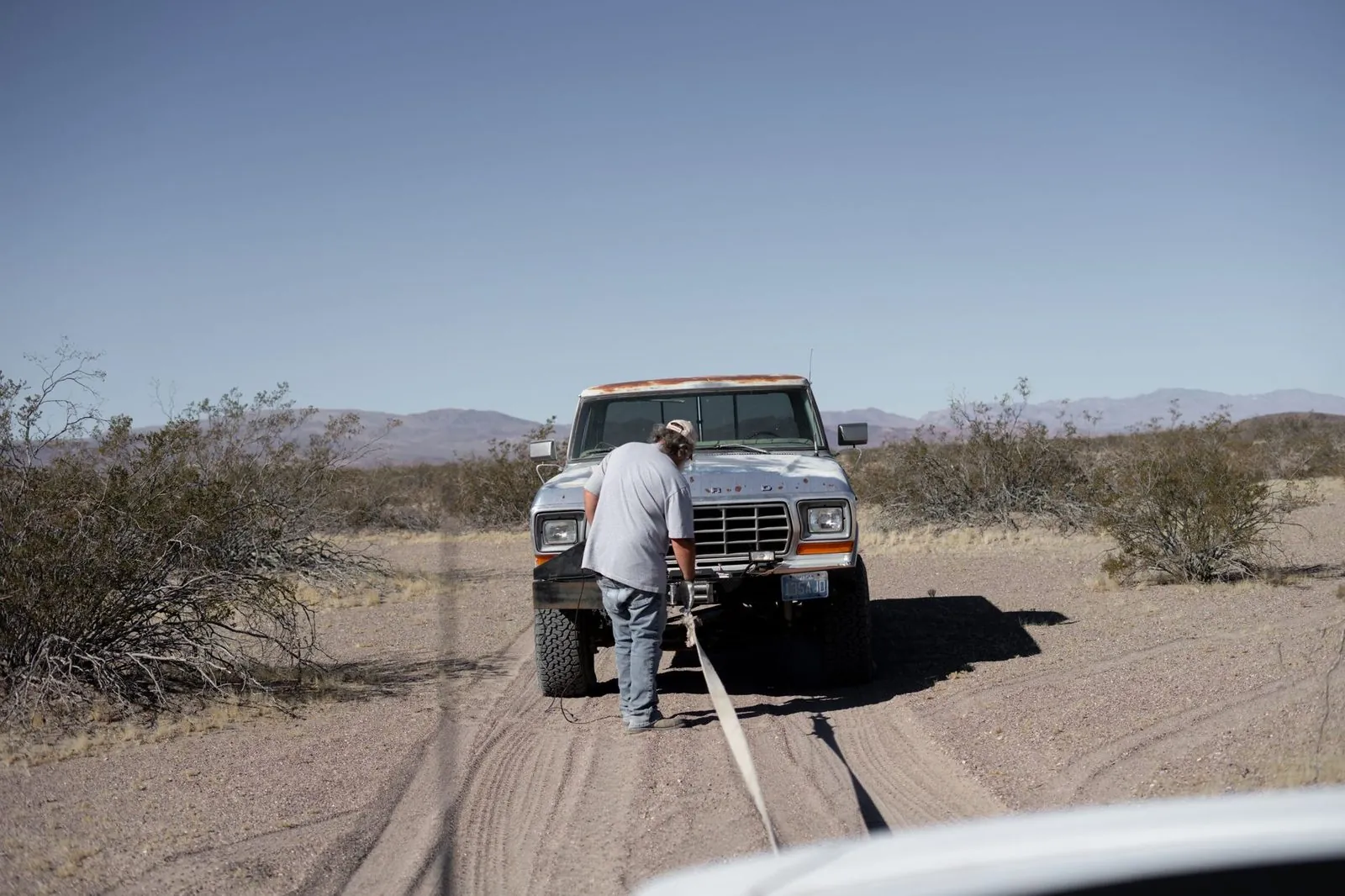
Towing with an EV in Canada requires more planning than towing with a gasoline truck, because aerodynamic drag and weight cut range significantly and fast-charging infrastructure along highway corridors is not yet universal. In 2026, several EVs offer rated towing capacity above 3,500 kg, but real-world results depend on trailer shape, terrain, temperature, and charging strategy. Buyers who tow regularly should model worst-case range before purchasing.
How Towing Affects Range
A trailer increases aerodynamic drag and rolling resistance, which raises energy consumption at highway speeds. Most EVs lose 30 to 50 percent of their combined range when towing at 100 km/h or above, with larger box trailers causing more loss than aerodynamic travel trailers. Temperature compounds the problem: cold weather already reduces base range by 20 to 35 percent, so towing in winter can leave some vehicles with less than half their normal highway range between charges.
Best EVs for Towing in Canada
The Ford F-150 Lightning, Rivian R1T, and Tesla Cybertruck lead the Canadian EV towing segment by rated capacity, followed by the Tesla Model X and heavy-duty EV SUVs from European brands. The Lightning’s conventional pickup layout makes it the most practical choice for fifth-wheel and gooseneck trailers, while the R1T’s air suspension and quad-motor traction control excel on rough cottage roads and steep boat-launch ramps. Buyers should verify hitch and payload ratings before purchasing, because EV batteries add weight that reduces available payload compared to gasoline trucks.
Charging While Towing
DC fast-charging stations with pull-through bays are essential for EV towing because reversing with a trailer is difficult and time-consuming. Canada’s highway charging network has added pull-through bays at many locations, but coverage is not universal. Drivers should plan routes around confirmed pull-through stations and carry enough range to reach the next charger without scavenging urban stations that may not accommodate trailers. Charging times increase while towing because higher power demand extends session length.
Towing Strategy
Successful EV towing in Canada depends on conservative range planning, morning preconditioning to preserve battery efficiency, and charging whenever the vehicle is stopped for more than twenty minutes. Slowing to 90 km/h instead of 110 km/h can extend range by 20 percent or more with minimal time penalty on long trips. Drivers should also load trailers carefully, keeping heavy items low and centred to reduce sway and maintain stability.
Looking for EV deals, insurance, or financing? Check out our partner deals and offers.
If you found this guide helpful, use our Tesla referral link for free Supercharging credits on a new Tesla purchase or lease in Canada.
Next story · swipe left
Next story
Nova Scotia EV Levy Reaction: Dealerships and Owners Weigh In as $500 Fee Takes Effect
5 min read
Nova Scotia's new EV levy took effect October 1, charging $500 per registration renewal for EVs and $250 for plug-in hybrids. Dealerships report prospective buyers reconsidering, while current owners call it a penalty for choosing cleaner transport.
The Charge Brief
Get Canada’s EV transition in your inbox
One email a day. No spam, unsubscribe anytime.