
EV Cold Weather Ontario 2026: Range, Tires, and Winter Driving Tips
EV cold weather performance in Ontario in 2026 — winter range loss, tire recommendations, charging strategy, and what Ontario drivers need to know about EV ownership in sub-zero temperatures.
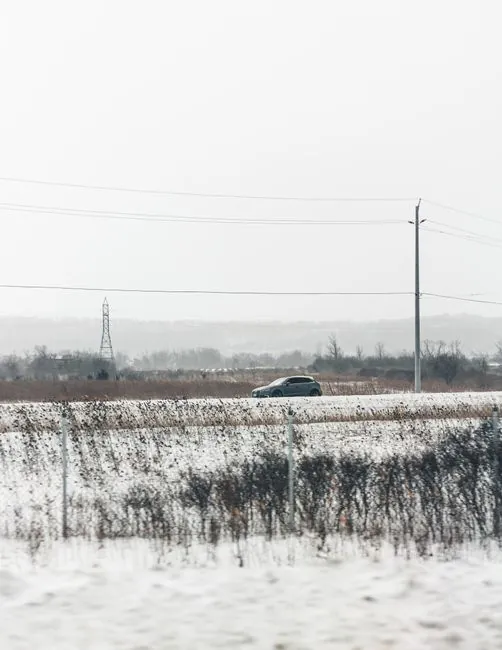
Ontario winters deliver some of the harshest EV testing conditions in Canada, with sustained temperatures below -20°C, highway corridor winds, and road salt that accelerates corrosion on any vehicle. EV owners in Ontario have learned that winter range loss is predictable and manageable with the right preparation, but drivers who underestimate cold-weather impacts face inconvenient charging stops, reduced commute range, and cabin comfort issues. In 2026, Ontario’s EV infrastructure, winter tire availability, and owner knowledge make winter ownership practical for drivers who plan ahead.
Winter Range Loss Patterns
Ontario EV owners report consistent winter range loss patterns that align with national testing data. Combined range drops 20 to 35 percent in sustained -20°C conditions, with highway range suffering more than city range because aerodynamic drag increases at higher speeds and cabin heating demand is constant. Heat pump-equipped vehicles retain more winter range than models relying on resistive heating alone, and drivers who precondition their batteries before highway trips recover 5 to 10 percent of lost range. Understanding these patterns helps Ontario drivers plan routes and charging schedules that avoid winter range surprises.
Tire Recommendations
Winter tires are essential for Ontario EV safety and efficiency. EV-specific winter tires carry higher load ratings to support battery pack weight and use rubber compounds designed for instant EV torque. Popular choices among Ontario EV owners include tires from Bridgestone, Michelin, and Continental that carry XL or reinforced sidewall ratings matching vehicle specifications. Drivers should verify that their chosen winter tires carry the correct load index for their specific EV model, because under-rated tires can fail under heavy battery weight during cornering or emergency braking.
Charging Strategy
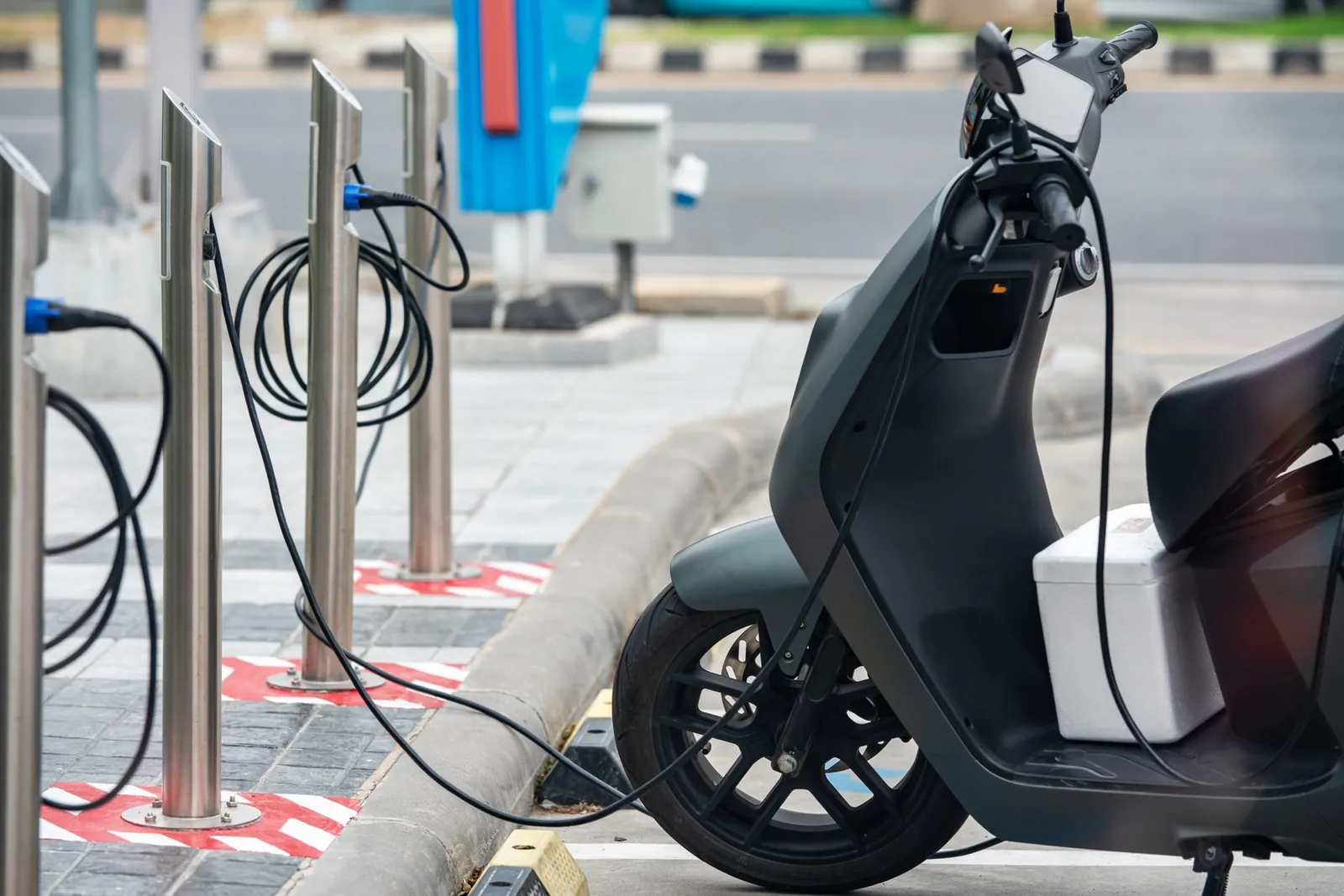
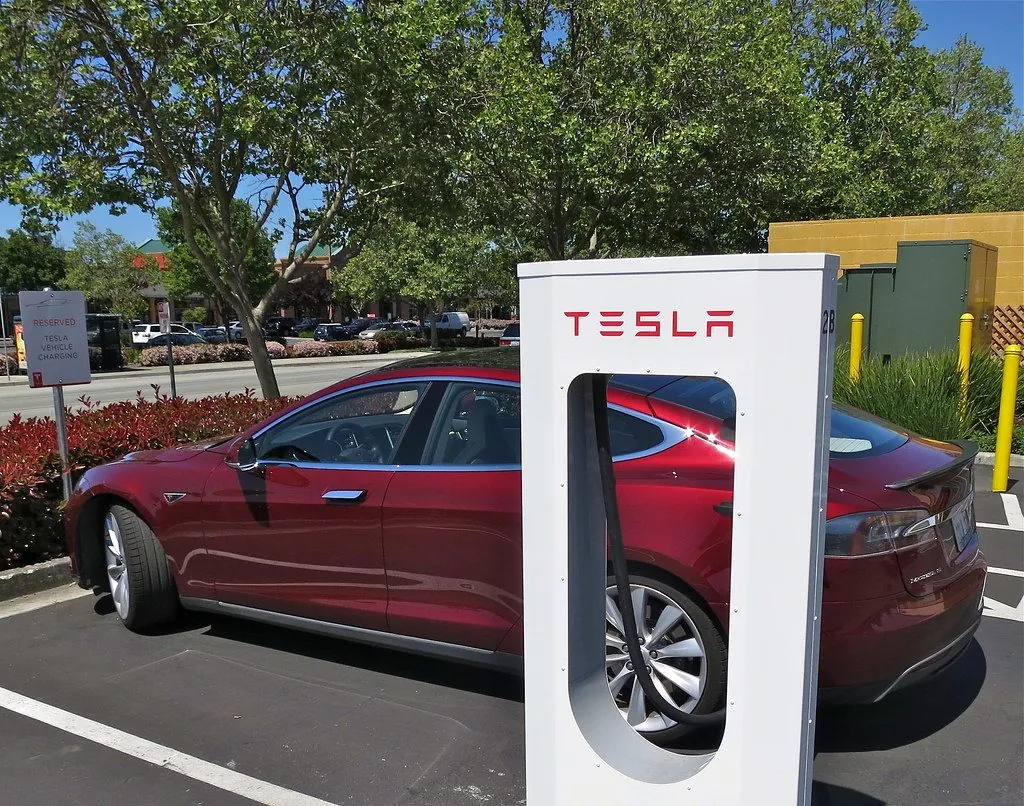
Ontario EV owners rely on a combination of home overnight charging, workplace Level 2 stations, and DC fast charging along Highway 401 and 407 corridors. Home charging at overnight TOU rates is the cheapest fuel strategy, while workplace charging extends daily range without public costs. DC fast charging is essential for trips beyond single-charge range, and Ontario’s Electrify Canada and ChargePoint stations provide 150 kW-plus charging at most major service centres. Winter charging speeds are slower because cold batteries accept charge less efficiently, which means preconditioning before highway charging sessions restores faster speeds.
Ontario-Specific Resources
Ontario EV owners can access provincial rebate programs, utility charger installation rebates, and municipal charging maps that identify available public stations. The Ontario Ministry of Transportation maintains an EV charging map that is updated as new stations open, and local EV owner groups share real-time station status and winter driving tips. Drivers who join regional EV communities gain access to collective knowledge about station reliability, winter route planning, and service technicians familiar with high-voltage systems in cold climates.
Looking for EV deals, insurance, or financing? Check out our partner deals and offers.
If you found this guide helpful, use our Tesla referral link for free Supercharging credits on a new Tesla purchase or lease in Canada.
Next story · swipe left
Next story
Used Tesla Model 3 Buying Guide Canada: Prices, Battery Health, and What to Avoid
6 min read
How to buy a used Tesla Model 3 in Canada — real price expectations, battery health verification, the FSD transfer trap, and the model years that hold up best.
The Charge Brief
Get Canada’s EV transition in your inbox
One email a day. No spam, unsubscribe anytime.