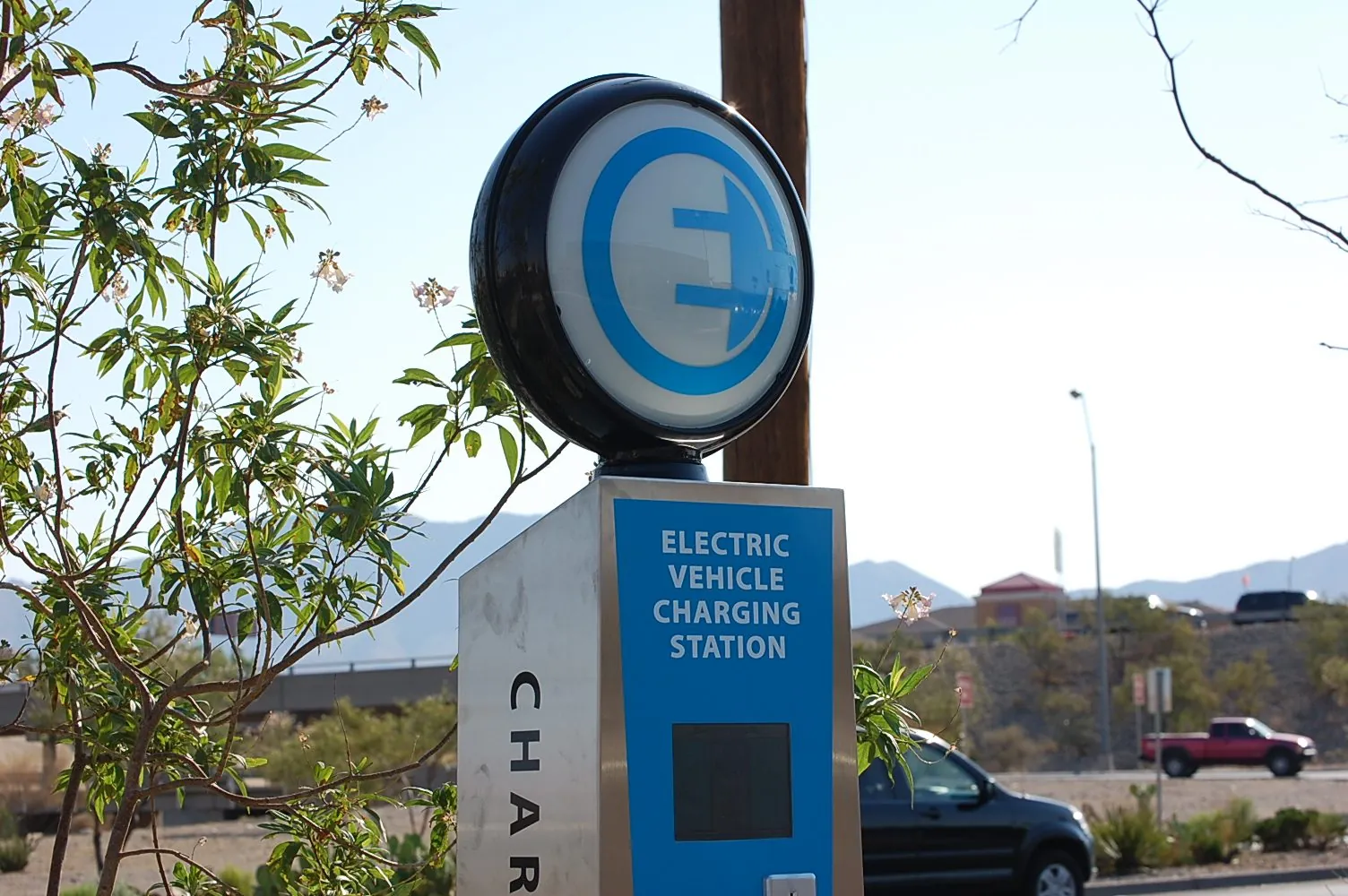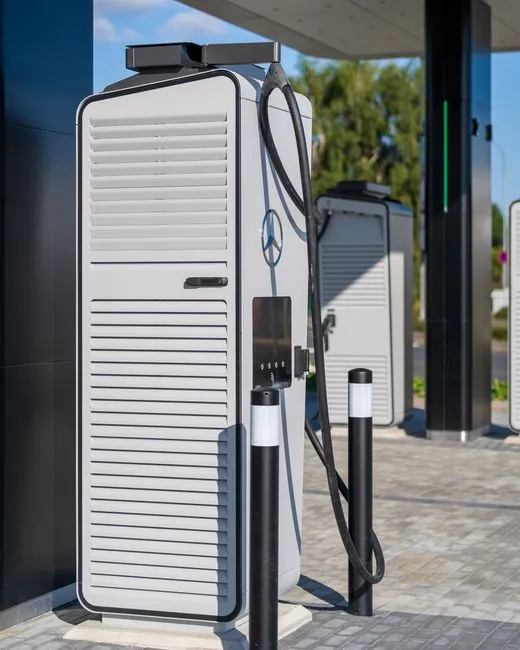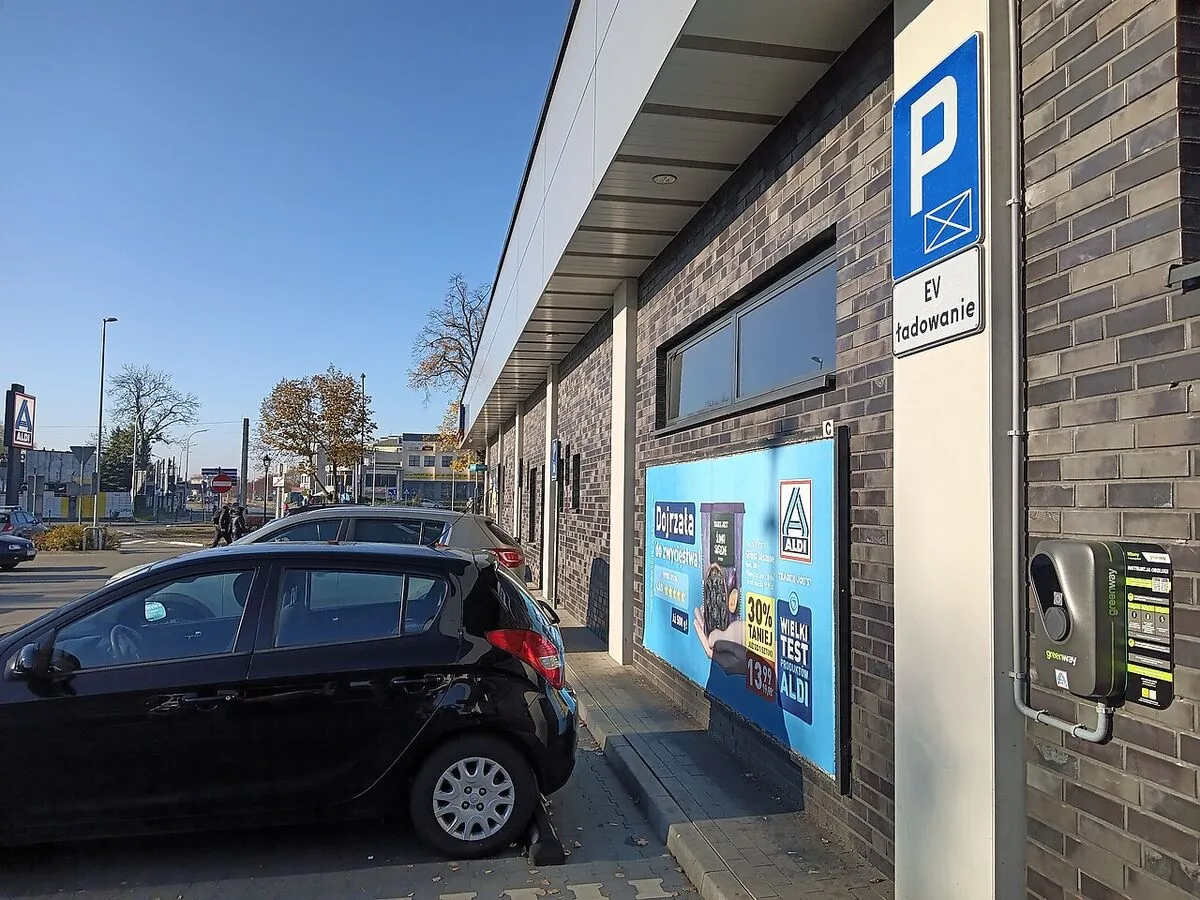
91% of EV Drivers Will Go Out of Their Way for a Recommended Charger, Study Finds
New research from Driivz shows that peer recommendations now outweigh satellite navigation when EV drivers choose a charger, with 76% willing to abandon an entire network after one bad experience. The finding points to a 'social layer' that Canadian charging operators are racing to master.
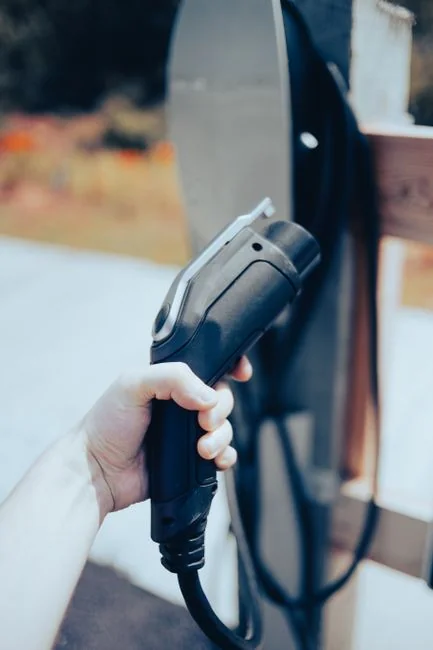
When EV drivers pick a charging station, they are asking each other before they ask their GPS. New research from Driivz finds that 91 percent of EV drivers are willing to go out of their way for a charger another driver recommended, and 76 percent would avoid an entire charging network based on a single warning from friends or family.
The survey of more than 3,000 drivers across North America and Europe reveals a social layer influencing charging decisions that operators have traditionally ignored. Specialist charging apps and peer recommendations now rank ahead of satellite navigation as trusted sources for unfamiliar charging locations.
What the numbers mean for Canadian drivers
- Word of mouth beats turn-by-turn: More than half of respondents said they would travel more than five minutes out of their way for a recommended location. In rural Canada, where chargers are sparse, that trust is a decisive advantage.
- One bad session can poison a network: Seventy-six percent of drivers would skip an entire brand after a poor experience, and 79 percent would warn friends or family afterward. Operators that cannot maintain uptime risk losing customers permanently, not just temporarily.
- Drivers are active reporters: Seventy-six percent would report issues through a charging app, and 65 percent would leave an online review. The feedback loop is fast and public.
- Reliability drives profitability: Driivz's own 2026 State of EV Charging Network Operators Report found 59 percent of operators now identify charger utilization as their primary driver of profitability — not energy margins or subscription fees.
Why this matters for Canada's charging build-out
Canada is spending heavily on public charging infrastructure through federal and provincial programs, but the Driivz data suggests hardware alone is not enough. A charger that is physically present but unreliable — offline when needed, slow to authenticate, or expensive relative to advertised rates — can damage the reputation of the entire network that hosts it.
For drivers, the takeaway is practical: check recent user reviews in your charging app before committing to an unfamiliar station, especially on long trips. For operators, the message is that 24/7 availability and seamless authentication are now table stakes, not differentiators. The networks that win will be the ones drivers trust enough to recommend.
What to watch next
As Canada's EV fleet grows, charging behavior will shift from a niche activity to a routine utility expectation. Providers that invest in reliability and customer service now will build the brand loyalty that the Driivz data shows drivers reward with repeat business and word-of-mouth referrals.
Compare your home charging costs against public rates in our province-by-province charging cost calculator.
Looking for EV deals, insurance, or financing? Check out our partner deals and offers.
If you found this guide helpful, use our Tesla referral link for free Supercharging credits on a new Tesla purchase or lease in Canada.
Next story · swipe left
Next story
Safety Beats Savings: 44% of Canadian Homeowners Upgrading Electrical Systems Cite Safety First, Schneider Electric Survey Finds
4 min read
A new Angus Reid Group survey of 1,007 Canadian homeowners commissioned by Schneider Electric Canada finds safety — not savings — is the number one driver of home electrical upgrades, as EV chargers, heat pumps and battery storage push household demand higher. 65% say rebates would tip them into energy-efficient upgrades.
The Charge Brief
Get Canada’s EV transition in your inbox
One email a day. No spam, unsubscribe anytime.