
policy
teslaTesla Wins Foreign-Trade Zone for Texas Megafactory — What It Means for Canadian EV Owners
A Federal Register notice grants Tesla's Texas Megafactory FTZ 84AM status for Megapack 3 battery storage. Customs duties on imported components can be deferred. What it means for Canadian charging infrastructure and grid storage.

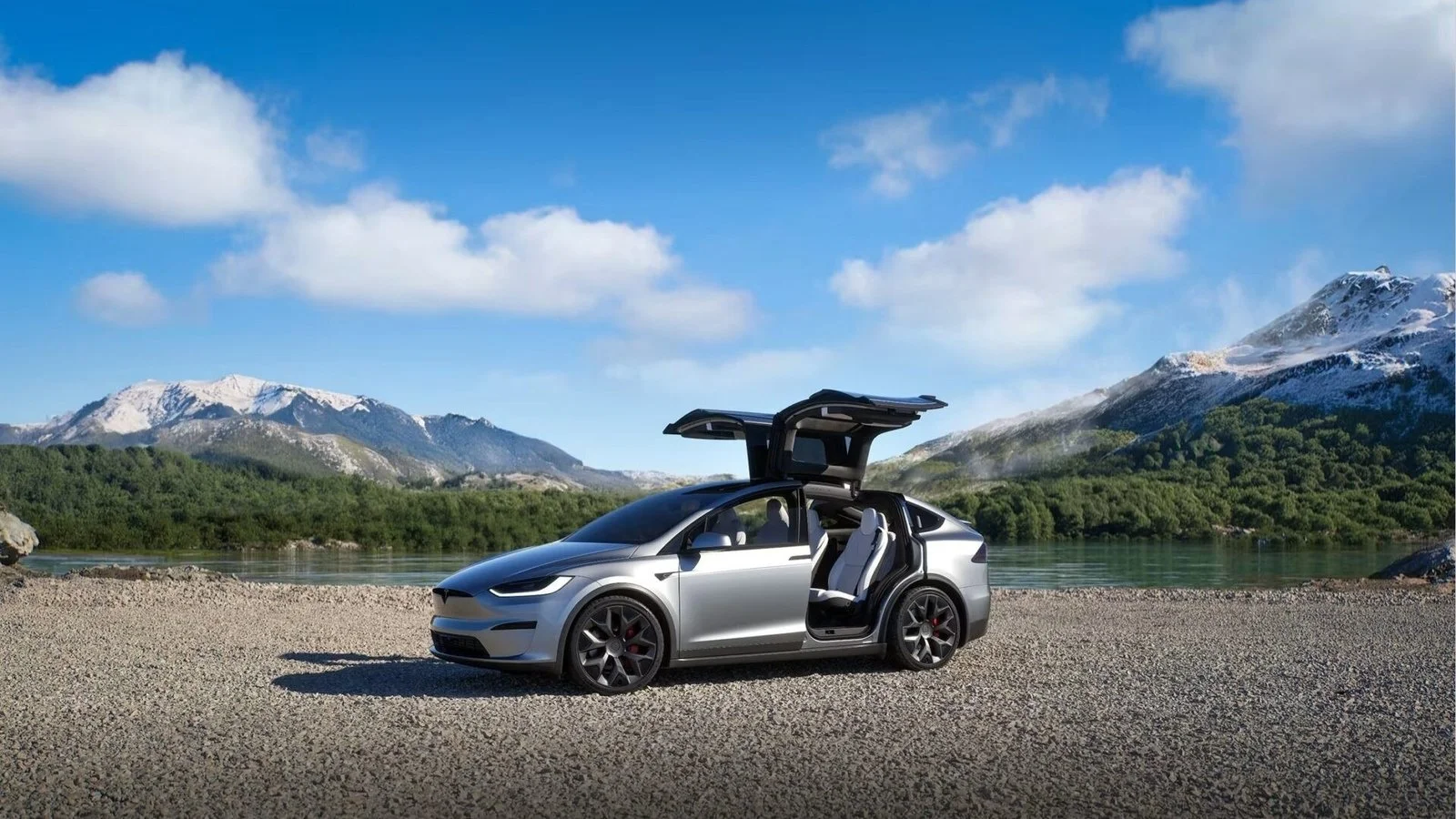
Tesla has secured federal approval to operate its Texas Megafactory under a Foreign-Trade Zone (FTZ) designation, according to a Federal Register notice published on November 2, 2026. The authorization covers production activity within Subzone 84AM of FTZ 84 in the Houston area, where the company recently began producing Megapack 3 battery storage systems.
What the FTZ approval actually means
Foreign-trade zones are designated areas where manufacturers can conduct certain activities involving imported materials before those goods formally enter the U.S. customs market. The practical effect: companies can defer customs duties on imported components until finished products enter the U.S. market. Products exported directly from the zone avoid U.S. customs duties entirely.
However, duties on components incorporated into products sold domestically generally follow the finished product's tariff rate, subject to exceptions for certain imported materials. The Federal Register notice does not specify any potential financial savings for Tesla.
Why this matters for battery storage in North America
Tesla's Texas Megafactory is where Megapack 3 production recently began. The company has already announced plans to power a new 200 MWh battery storage project in Colorado with Megapacks, and a 300 MWh battery park in Bulgaria is also powered by the system. The FTZ approval is a supply-chain optimisation: it lets Tesla manage the tariff timing on imported components more flexibly, which can reduce working-capital drag during manufacturing.
For Canadian EV owners, the direct impact is indirect but real. Lower manufacturing friction on Megapack 3 units can translate into faster deployment of grid-scale storage in North America, which supports the charging infrastructure that makes long-distance EV travel practical. The approval is a procedural milestone — it does not change tariffs or pricing directly — but it removes a layer of customs friction from one of the most important components in the grid-storage supply chain.
Electrek's coverage of the same notice notes that China tariffs on imported cells remain in place, so the FTZ status does not reduce the tariff burden on Chinese-made components. It is a logistics and cash-flow tool, not a tariff exemption.
What to watch next
- Whether Tesla files for FTZ coverage at its other U.S. plants (Fremont, Berlin, Berlin Giga)
- Any follow-up Federal Register notices clarifying which imported components qualify for duty deferral
- Whether Canadian grid operators (Ontario Power Authority, BC Hydro, Hydro-Québec) accelerate Megapack 3 procurement timelines
Looking for EV deals, insurance, or financing? Check out our partner deals and offers.
If you found this guide helpful, use our Tesla referral link for free Supercharging credits on a new Tesla purchase or lease in Canada.
Next story · swipe left
Next story
Ontario Woman Faces $10,800 EV Battery Repair After Warranty Expiry
4 min read
An Ontario woman is facing a $10,800 repair bill for her 2018 Volkswagen e-Golf battery, which failed five months after its 8-year warranty expired. Experts warn EV owners to plan for out-of-warranty maintenance costs.
The Charge Brief
Get Canada’s EV transition in your inbox
One email a day. No spam, unsubscribe anytime.