

policy
One Year Without the $7,500 EV Tax Credit: 4 Key Takeaways for Canadian Buyers
A year after the US federal EV tax credit expired, sales have partially recovered, used EVs are booming, and Tesla's market share is back above 50% — what it means for Canadians.

It has been just over a year since the US federal $7,500 EV tax credit was eliminated on September 30, 2025. A new analysis by InsideEVs, drawing on JD Power, Cox Automotive, and Cars.com data, outlines four key takeaways from the post-credit era — and several of them have direct implications for Canadian buyers navigating a market shaped by US supply chains and pricing.
1. The EV market took a hit but is recovering
EV retail sales share in the US plummeted from over 14% in September 2025 (the final month with the credit) to 5% by November 2025 — a level not seen since 2022. But the floor came quickly. By May 2026, EV share had climbed back above 8%, and JD Power puts September 2026 at 7.9%. "We only went back about two years," said Tyson Jominy, JD Power's SVP of data and analytics. "That doesn't seem so bad."
For Canadian buyers, the US signal matters because most EVs sold in Canada are US-sold or US-priced. A stabilizing US market translates to more stable Canadian inventory and pricing.
2. Tesla and Rivian are carrying the industry
Between Q2 and Q3 2026, overall US EV sales grew 6.1% to roughly 262,000 units — the highest level since the credit expired, per Cox Automotive. Remove Tesla from that equation and the market would have actually shrunk. Tesla's share of the US EV market is back above 50%, down from a peak but still dominant.
Rivian has also surged on the strength of the R2, its first mainstream-priced model. Legacy automakers, meanwhile, have canceled or delayed some two-dozen EV models since the credit lapsed, including the Ford F-150 Lightning, VW ID.4, and Honda Prologue.
3. Used EVs are having a moment
Used EV sales hit a record in September 2026: more than 47,000 units sold, a 21% year-over-year jump, giving EVs their largest-ever share of the used-car market, according to Cox Automotive. Used EVs are selling in about 41 days on average — roughly 12 days faster than comparable combustion vehicles. Prices on lightly used EVs have risen close to 10% over the past year, per iSeeCars.
For Canadians, a stronger US used-EV market can mean cross-border price pressure and, eventually, more used EVs flowing into the Canadian market.
4. The EV revolution is delayed, not canceled
Industry watchers remain broadly optimistic. US DC fast-charging ports surpassed 80,000 in Q3 2026, up from 70,000 at the end of 2025. New models — Ford's $30,000 Fathom pickup, the Slate Truck, and a wave of luxury EVs — are expected to broaden the addressable market. JD Power's Jominy noted that once production costs for EVs drop roughly 30% below combustion equivalents, "you really can't just maintain the old way for very long."
Hyundai CEO José Muñoz, speaking to InsideEVs, said dealers began requesting more Ioniq 5 units after the Iran conflict pushed gasoline prices higher — a reminder that fuel prices remain a key swing factor for EV demand.
Looking for EV deals, insurance, or financing? Check out our partner deals and offers.
If you found this guide helpful, use our Tesla referral link for free Supercharging credits on a new Tesla purchase or lease in Canada.
Next story · swipe left
Next story
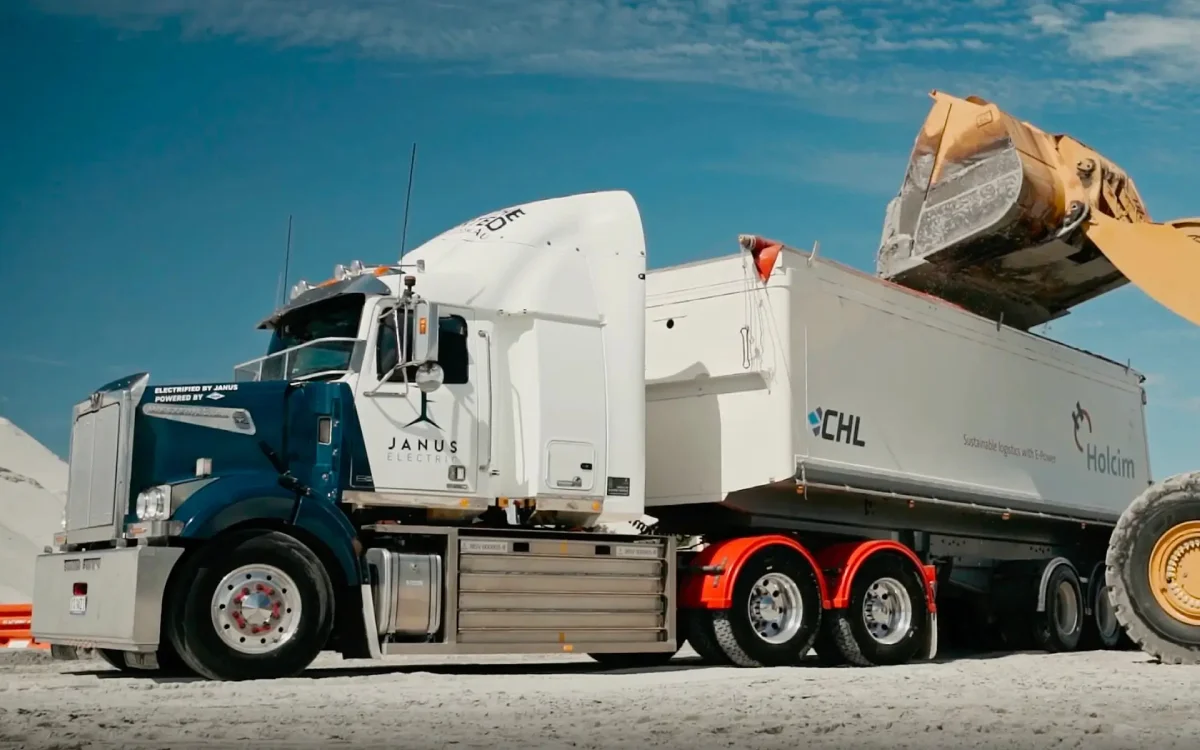
Electrovaya Lands US$26-Million Janus Electric Deal for Swappable Truck Batteries
4 min read
Mississauga-based Electrovaya will supply 600 kWh swappable battery systems for Janus Electric's Class 8 truck conversions in Canada and the U.S., with first shipments heading to California drayage fleets.
The Charge Brief
Get Canada’s EV transition in your inbox
One email a day. No spam, unsubscribe anytime.