
policy
teslaTesla Robotaxi Canada: Ottawa Job Postings Signal Expansion Prep
Tesla is hiring AI Safety Operators in Ottawa with ride-hailing operations duties — the strongest signal yet that Robotaxi expansion to Canada is being prepped. What we know, and what provincial rules allow today.
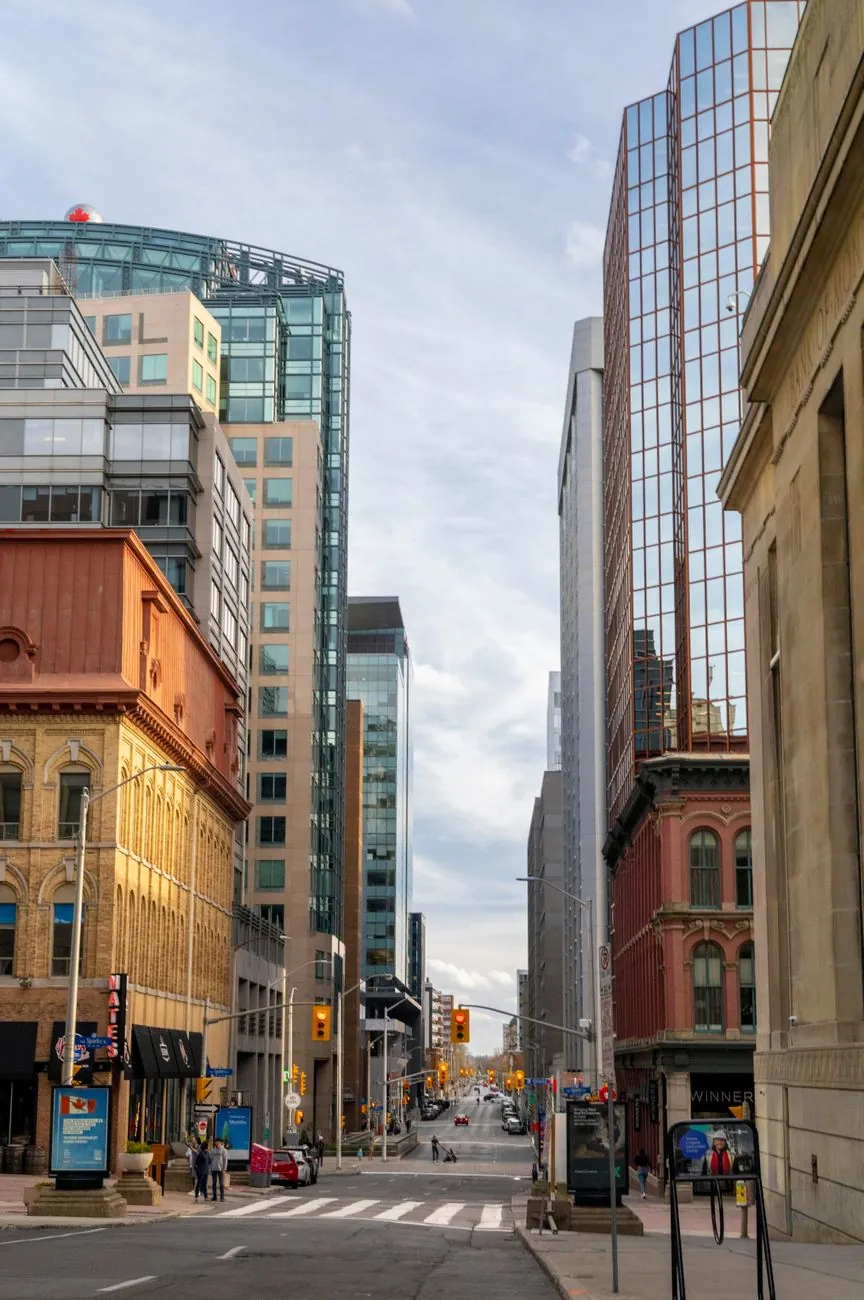
Tesla appears to be preparing for an international expansion of its Robotaxi service, and Canada is on the list. New job postings on Tesla's careers site for AI Safety Operators in Ottawa, Ontario — alongside postings in Colombia and Chile — include responsibilities that go beyond test driving, notably "overseeing daily operations of ride-hailing services including driver/rider management." Tesla has not announced Robotaxi launches in any market beyond the United States, but the Ottawa posting is the strongest concrete signal yet that Canadian operations are being scoped out.
What the Ottawa posting actually says
The Canadian posting, listed on Tesla's careers site in July, asks employees to collect data by driving engineering vehicles equipped with Tesla's Full Self-Driving (FSD) software, to ride-share while conducting camera and audio data collection, operate recording equipment, analyze collected data, document issues, and provide feedback on the testing process. The wording differs from Tesla's earlier ADAS test-operator postings, which appeared before FSD expanded into Canada. It is currently the only AI Safety Operator position posted for Canada.
Where the Robotaxi service stands today
Tesla's Robotaxi service operates in six U.S. cities — Austin, Dallas, Houston, Miami, Orlando, and Tampa — with supervised ride-hailing available in the San Francisco Bay Area. As of late July, Tesla had completed over 380,000 miles (about 611,550 km) of unsupervised driving since launching the Austin service in June 2025. The service is not flawless: recent incidents include a Robotaxi pushing through traffic bollards in Austin, and a wrong-way incident in Tampa that raised regulatory questions. Expansion news continues regardless, with a purpose-built Cybercab launch event now scheduled for September 3 in Austin.
What Canadian rules allow right now
Ontario's automated vehicle pilot framework permits testing of automated vehicles with a safety driver under a pilot program, and Quebec has allowed similar restricted trials. No Canadian province currently allows commercial driverless ride-hailing. A Canadian Robotaxi launch would resemble the California model — supervised ride-hailing with a safety person aboard — pending regulatory approval to operate without one. Knowing the Canadian legislative process, a full driverless service may still take a while.
Why Ottawa makes sense as a beachhead
Ottawa is a logical first Canadian market for Tesla's data collection. The National Capital Region already hosts autonomous-vehicle research, including smart-city test infrastructure, and federal regulators are based there. Winter is the unsolved problem: snow-covered lane markings, bulky pedestrian clothing, and low-angle daylight are harder for camera-based autonomy than for lidar-equipped competitors like Waymo. Canadian winter data is exactly what Tesla would need before any broader deployment, which is a plausible reason the safety-operator role emphasizes data collection and issue documentation.
The realistic timeline for Canadians
The job posting is preparation, not a launch announcement. Expect a supervised pilot with safety operators aboard — potentially in Ottawa first — before any discussion of driverless service, and expect provincial approval processes to stretch timelines. Canadians who want a taste of Tesla autonomy today can already buy FSD (Supervised), which is available in Canada as an add-on. The Ottawa posting tells us Tesla believes a Canadian Robotaxi business is worth staffing for; the calendar for actually riding in one remains measured in years, not months.
Looking for EV deals, insurance, or financing? Check out our partner deals and offers.
If you found this guide helpful, use our Tesla referral link for free Supercharging credits on a new Tesla purchase or lease in Canada.
Next story · swipe left
Next story
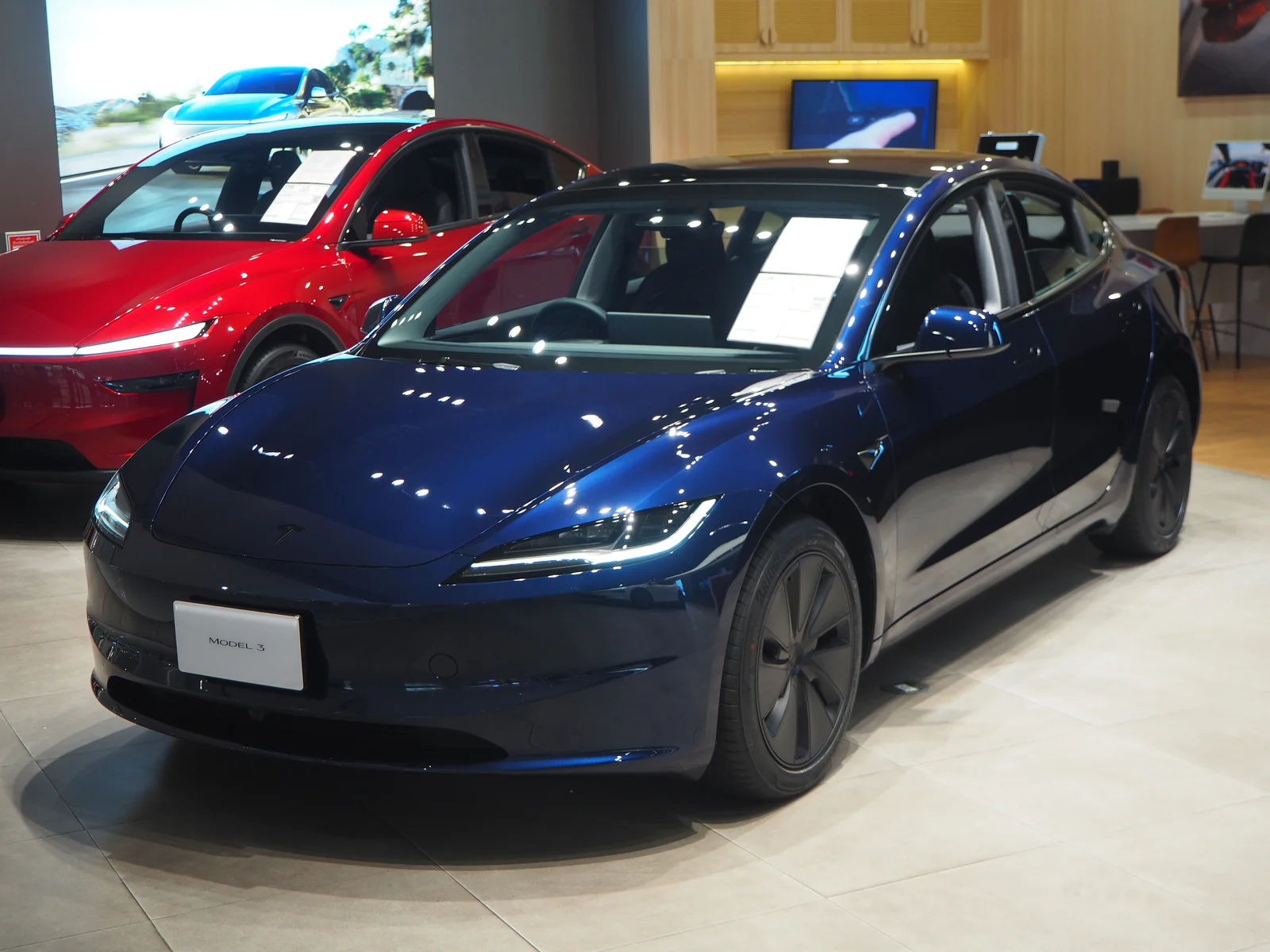
2026 Tesla Model 3 earns five-star NHTSA safety rating across every category
3 min read
The 2026 Tesla Model 3 has received a five-star overall safety rating from NHTSA, earning the top score in frontal crash, side crash, and rollover tests.
The Charge Brief
Get Canada’s EV transition in your inbox
One email a day. No spam, unsubscribe anytime.