
policy
EV Noise Regulations in Canada 2026: What Drivers Should Know
EV noise regulations in Canada are evolving in 2026. Here is what acoustic vehicle alert systems mean for drivers, pedestrians, and automakers — and how Canada compares to the US and EU.

Electric vehicles are quieter than gasoline vehicles at low speeds, which improves cabin comfort but creates a pedestrian safety challenge that regulators are now addressing. In 2026, Canada’s EV noise regulations align with international standards while adding specific requirements for acoustic vehicle alert systems that activate at low speeds. Drivers and buyers should understand these rules because they affect vehicle design, aftermarket modifications, and urban soundscapes.
Why EVs Need Artificial Noise
At speeds below about 30 km/h, EVs produce little audible warning for pedestrians, cyclists, and visually impaired users. Gasoline engines provide natural auditory cues that electric drivetrains lack, which is why regulators require artificial sound generation in many markets. The sounds are designed to be noticeable without being annoying — typically a mix of engine-like tones or synthesized noise that increases with speed and stops when the vehicle is stationary or reversing.
Canadian Requirements
Canada has adopted acoustic vehicle alert requirements that mirror international standards, with specific trigger speeds and sound-level targets. New EVs sold in Canada must include factory-installed alert systems that activate at low speeds, and buyers should not disable or modify these systems because doing so may violate federal motor vehicle safety regulations. Aftermarket sound systems that mimic engine noise are legal in some provinces but may void insurance coverage if they interfere with factory safety systems.
Enforcement and Testing
Transport Canada tests vehicles for compliance with acoustic alert standards during type approval. Buyers who import EVs privately should verify that the vehicle meets Canadian noise regulations before clearing customs, because non-compliant vehicles may require modifications before registration. Dealers can confirm compliance status for any new model, and manufacturer documentation should state whether the vehicle meets applicable acoustic alert requirements.
What Drivers Hear
Most modern EVs generate sound through a speaker mounted outside the vehicle, often near the front bumper. The sound is usually subtle inside the cabin but audible to pedestrians outside. Some systems allow drivers to select different alert sounds through the infotainment menu, though options are limited for safety reasons. Drivers who notice missing or unusual alert sounds should have the system inspected promptly because non-functioning acoustic alerts create safety and legal risk.
Looking for EV deals, insurance, or financing? Check out our partner deals and offers.
If you found this guide helpful, use our Tesla referral link for free Supercharging credits on a new Tesla purchase or lease in Canada.
Next story · swipe left
Next story
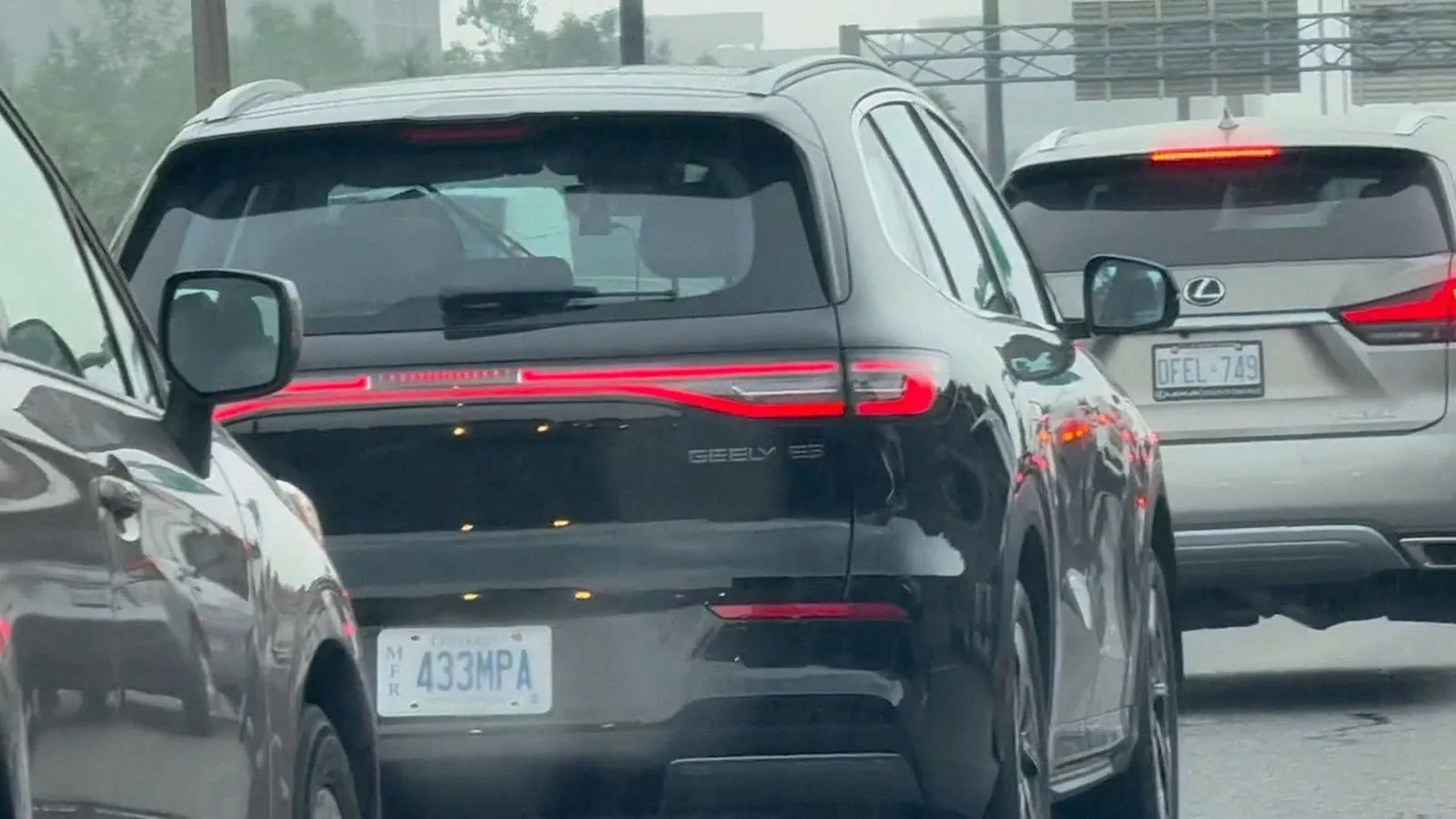
Geely EX5 Filmed in Toronto Traffic on Ontario Manufacturer Plates — First Road Footage of a Geely-Badged Car in Canada
5 min read
A black Geely EX5 wearing Ontario manufacturer plate 433 MPA was filmed in Toronto-area traffic in late August — the first road footage of a Geely-badged vehicle in Canada, three months after two Geely test EVs landed at Pearson and five months after the group's CEO promised Canadian certification 'soon.'
The Charge Brief
Get Canada’s EV transition in your inbox
One email a day. No spam, unsubscribe anytime.