
technology
Solar Panels and Home Batteries in Canada 2026: The Canadian Angle on Energy Independence
A practical Canadian buyer's guide to solar panels and home batteries — net metering rules by province, battery economics, and whether a system pays off in Ottawa, Toronto, or Vancouver.
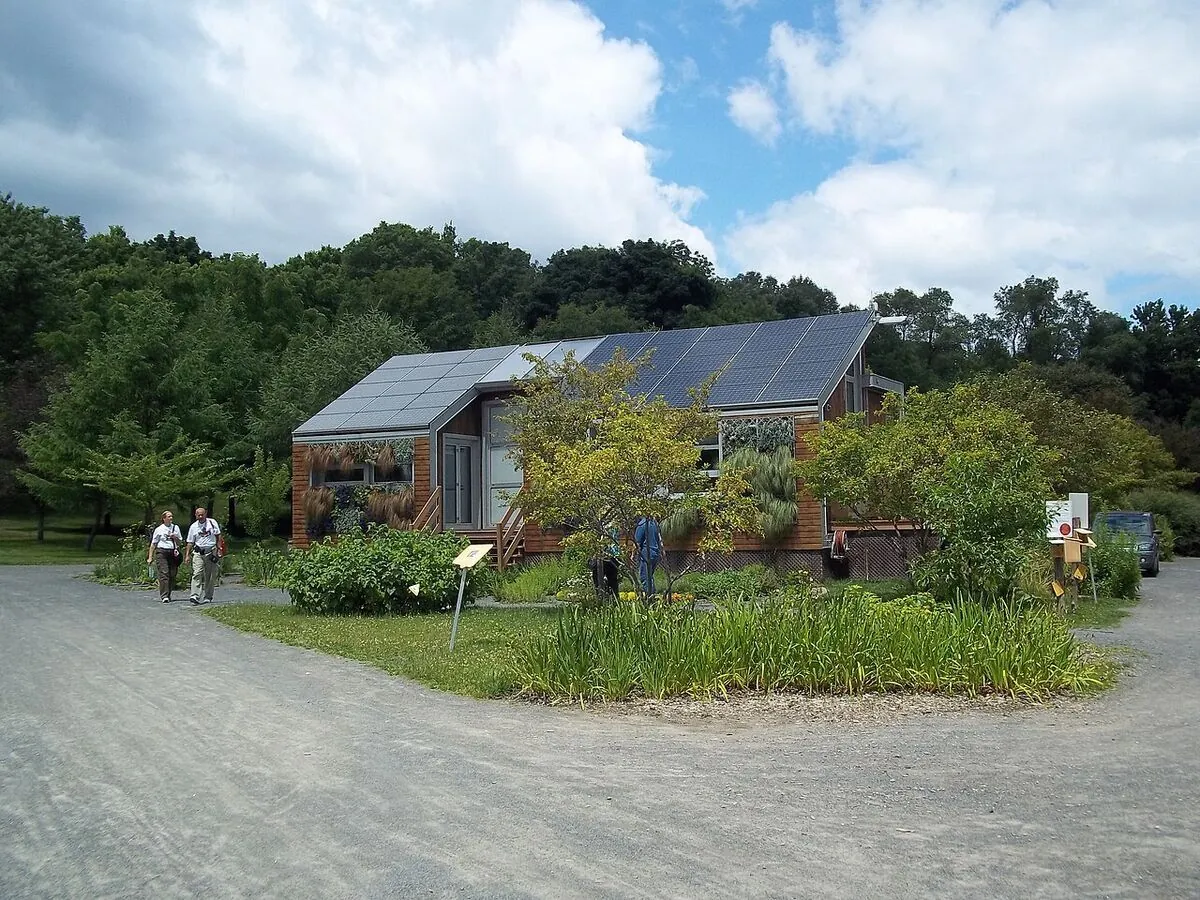
Solar-plus-storage has moved from luxury to practical in much of Canada, but the payback math varies wildly by province. The same 10 kW system and 15 kWh battery behaves very differently in Ontario's time-of-use environment versus BC's flat-rate hydro provinces. Here's how to evaluate it properly instead of relying on the headline numbers from installer quotes.
The net metering picture
Most Canadian provinces offer net metering — excess solar generation rolls back to the grid at retail or near-retail rates. Ontario's net metering is straightforward but time-of-use rates mean the value of exported power depends on when you generate it. Summer midday exports are valuable; winter exports are worth less because solar output is low when electricity is most expensive. BC's flat-rate hydro makes the math simpler and generally more favourable. Quebec's rates are low enough that solar economics are tighter unless you're off-grid or chasing self-sufficiency for ideological reasons. Alberta's deregulated market is the most variable — some retailer plans pay well for exports, others don't.
What a home battery actually does in Canada
A home battery stores surplus solar for evening use, provides backup power during outages, and lets you arbitrage time-of-use rates by charging from the grid at off-peak and discharging at peak. In Ontario, the TOU arbitrage alone can be worth several hundred dollars a year for a correctly sized system. During storm season, the backup value is harder to price but real — Canadians who've sat through a 12-hour outage in January with a functioning battery and a hot meal don't dismiss the investment lightly.
Battery chemistry for Canadian climates
Lithium iron phosphate (LFP) batteries have become the default recommendation — safer, longer-lived, and more tolerant of cold than older nickel manganese cobalt chemistry. If your garage or basement isn't heated, ask the installer about an insulated enclosure or a low-temperature cutoff. All Canadian batteries need cold protection in unheated spaces.
The realistic payback
A 10 kW solar array in southern Ontario costs roughly $25,000–$35,000 before incentives and typically pays back in 12–18 years at current rates. Add a 15 kWh battery and the payback stretches. The buyers who win are the ones who value resilience and independence alongside the spreadsheet — if you need payback under 8 years to justify it, solar-plus-storage isn't yet your product in most Canadian provinces.
Incentives to check
Federal Greener Homes grants and various provincial programs have covered meaningful chunks of solar and battery costs — amounts and eligibility shift regularly, so check current program pages before quoting. Some municipalities offer property-tax financing that lets you pay for solar through your tax bill. Canada's new Canada Green Buildings Strategy may open additional pathways; watch for provincial rollouts.
The bottom line
Solar panels make sense for many Canadian homeowners; home batteries make sense for fewer — unless you value backup power or live in a high-TOU environment where the arbitrage closes the gap. Get three quotes, ask for a production estimate specific to your roof and shading, and compare that estimate to your actual electricity bills before signing.
Looking for EV deals, insurance, or financing? Check out our partner deals and offers.
If you found this guide helpful, use our Tesla referral link for free Supercharging credits on a new Tesla purchase or lease in Canada.
Next story · swipe left
Next story
Winnipeg Transit Wants Up to 7 Electric Buses for On-Request Service — Undoing Its Diesel-Only Policy
4 min read
Winnipeg Transit is asking council to exempt its on-request service from the city's diesel-only purchasing policy to buy up to seven small battery-electric buses, with federal transit funding potentially covering part of the cost.
The Charge Brief
Get Canada’s EV transition in your inbox
One email a day. No spam, unsubscribe anytime.