
technology
teslaAfter Solar Roof, Tesla's Energy Story in Canada Runs Through Panels and Powerwalls
Tesla has discontinued its Solar Roof tiles, calling them not economically viable. In Canada, the product never meaningfully arrived — but the solar-plus-storage bundle it pointed at is scaling anyway.
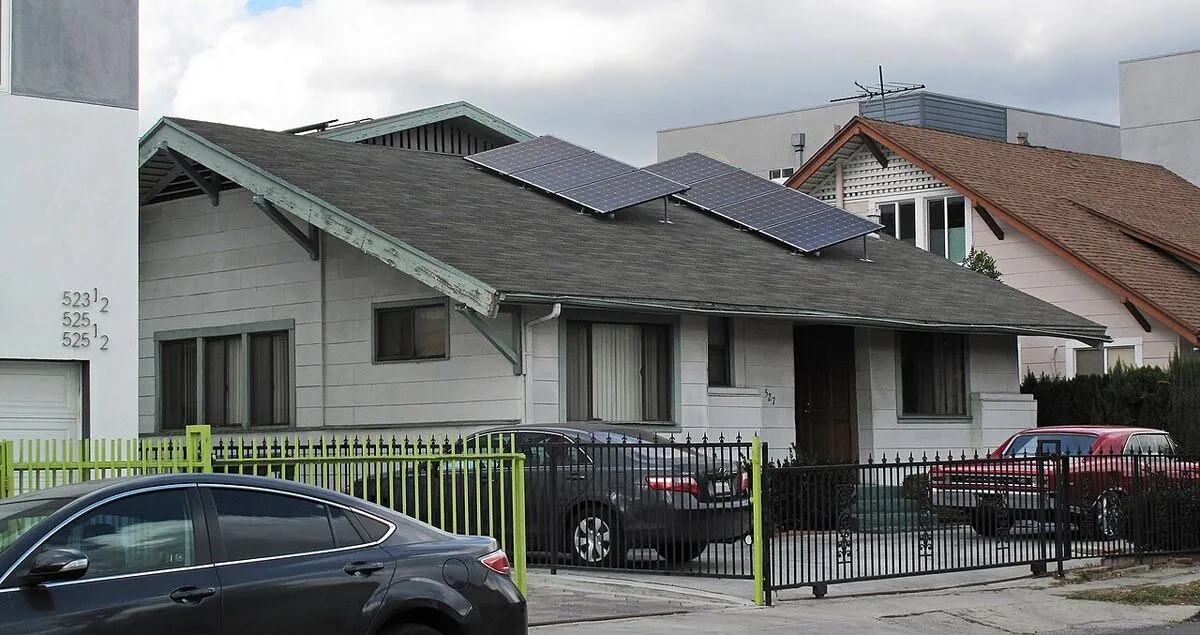
Tesla has pulled the plug on Solar Roof, its building-integrated solar tile product, with the company concluding the tiles were simply not economically viable. The decision closes a chapter that began with rooftop ambition and ended with cost realities: the tiles were harder to install, slower to scale, and more expensive per watt than conventional panels, and no volume ever fixed that.
In Canada, the obituary is mostly academic — Solar Roof never mounted a real commercial push here. But the strategic shift it signals matters to Canadian homeowners watching the energy storage market heat up.
Panels plus batteries: the bundle that won
Tesla's energy business now runs through conventional solar panels and the Powerwall battery, and that pairing is what actually sells. It is also the configuration Canadian installers have converged on: standard panels for the roof, a wall battery in the garage or basement, and an app that stitches them together. Time-of-use electricity rates in Ontario, sky-high peaks in Alberta, and unreliable rural grids in parts of the country each give the bundle a different job — bill arbitrage here, backup there.
The Canadian economics, plainly
Solar economics in Canada are tougher than in Arizona — shorter winter days, snow cover, and lower electricity prices in provinces like Quebec and Manitoba blunt the payback. The strongest cases are Ontario's time-of-use market, Alberta's volatile pricing, and off-grid or weak-grid properties anywhere north. A Powerwall-style battery shifts the equation from "save on solar" to "buy low, use high, keep the lights on," which is a value proposition that survives winter.
What the exit means
Solar Roof's death is a reminder that sexy building-integrated tech loses to boring scalable hardware more often than not. For Canadian buyers, the practical takeaway is reassuring: the product that works — panels and batteries from a dozen competing installers — is the one that is actually available, warrantied, and getting cheaper every year.
Looking for EV deals, insurance, or financing? Check out our partner deals and offers.
If you found this guide helpful, use our Tesla referral link for free Supercharging credits on a new Tesla purchase or lease in Canada.
Next story · swipe left
Next story
Honda Says It May Skip a New North America Plant If USMCA Falls Through
5 min read
A senior Honda executive warned the automaker might not build its eighth North American assembly plant unless the USMCA trade deal is extended — a decision that could reshape EV and hybrid manufacturing in Canada.
The Charge Brief
Get Canada’s EV transition in your inbox
One email a day. No spam, unsubscribe anytime.