technology
teslaSamsung Starts Trial Production of Tesla's Next-Gen AI5 Chip in Texas
Samsung has begun trial wafer production of Tesla's AI5 chip at its Taylor, Texas foundry using a 2-nanometer process, with full-scale supply targeted for 2027 — but the chip will first power Optimus and data centres, not vehicles.
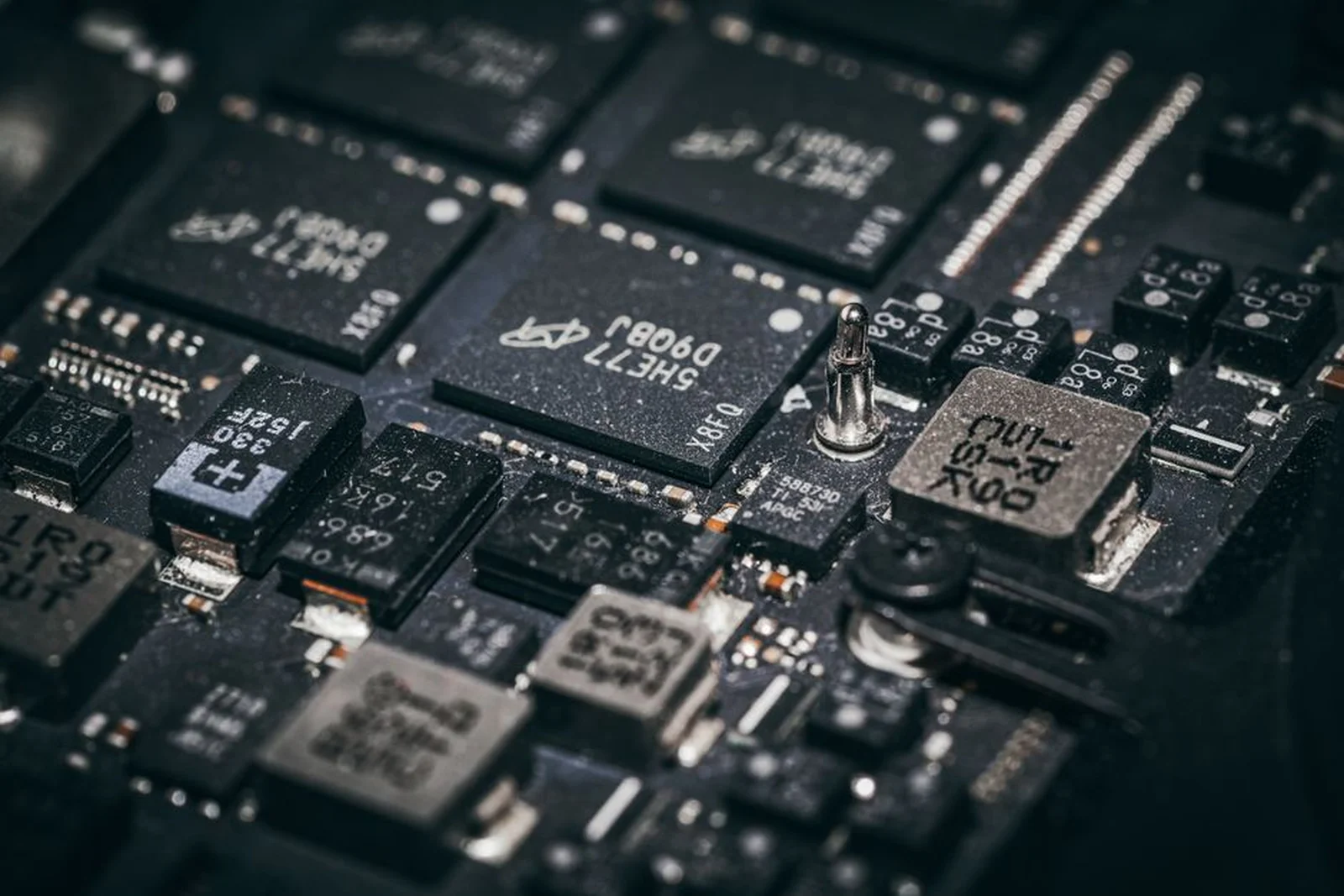
Samsung has started trial production of Tesla's next-generation AI5 chip at its new foundry in Taylor, Texas, according to a report from driveteslacanada.ca citing Seoul Economic Daily and semiconductor industry sources. The South Korean company is producing wafers using its 2-nanometer process, with some production lines now in the AI5 prototype stage as Samsung verifies yields and prepares for mass manufacturing.
This does not mean AI5-equipped Teslas are imminent. The current work is focused on trial wafer production and final mass-production verification, which Samsung is reportedly aiming to complete by the end of 2026. Full-scale production and supply is expected to begin in 2027. During Tesla's Q1 2026 earnings call in April, CEO Elon Musk said the current AI4 hardware has enough computing power to achieve unsupervised self-driving, removing the immediate need to move to AI5 in cars. Instead, Musk said AI5 is initially expected to be used in Optimus and Tesla's data centres, before eventually making its way into vehicles when the existing AI4 hardware becomes old enough to justify ending production.
The $16.5 billion supply agreement
Tesla and Samsung signed a $16.5 billion chip supply agreement last year, with Taylor expected to become a major production hub for Tesla's future AI hardware. The accelerated timeline comes months after Samsung held an equipment move-in ceremony at Taylor on April 24. Tesla reached the tape-out stage for AI5 in July, allowing the design to move into wafer manufacturing and verification.
For Canadian Tesla owners and EV buyers, the milestone is a reminder that autonomous-driving capability is more a software-and-silicon story than a battery-and-motor one. The AI5 chip's debut in data centres and robotics before cars means Tesla's Full Self-Driving roadmap will likely keep evolving on current AI4 hardware for at least another model year or two.
What to watch in 2027
- Mass-production verification deadline: Samsung aims to complete verification by end of 2026; if timelines slip, AI5 supply could push into 2028.
- Optimus deployment: The humanoid robot is the first production home for AI5, so robot updates may precede any FSD hardware refresh.
- Competition from TSMC: Samsung's 2nm yield still lags TSMC's; any process setback could shift Tesla's supply mix.
- Canadian regulatory impact: Transport Canada's autonomous-vehicle pilot rules will ultimately decide when AI5-powered FSD can operate on public roads here.
The Taylor foundry is Samsung's only advanced-node U.S. chip plant, and Tesla is reportedly the key customer driving its earlier-than-planned ramp. That makes the AI5 tape-out a bellwether for both companies' long-term bets on onshore semiconductor manufacturing — and for the compute backbone of whatever Tesla calls its next self-driving generation.
Looking for EV deals, insurance, or financing? Check out our partner deals and offers.
If you found this guide helpful, use our Tesla referral link for free Supercharging credits on a new Tesla purchase or lease in Canada.
Next story · swipe left
Next story
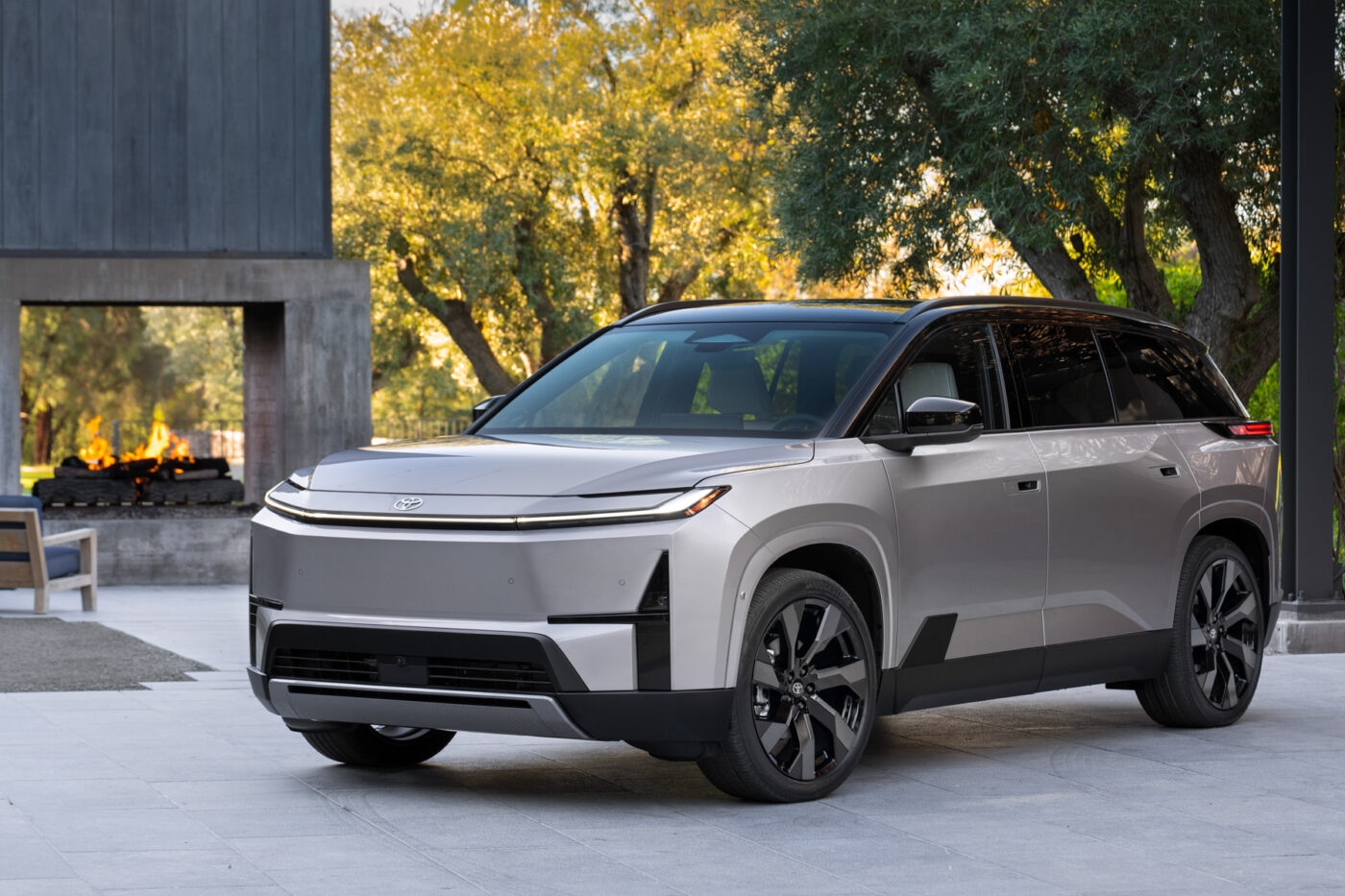
Toyota Highlander EV Timeline Unclear After Conflicting Delay Reports
4 min read
Conflicting September 3 reports about the 2027 Toyota Highlander EV's Canadian launch timeline leave buyers uncertain, while the vehicle itself remains on track for late 2026 US sales according to earlier Toyota statements.
The Charge Brief
Get Canada’s EV transition in your inbox
One email a day. No spam, unsubscribe anytime.