
vehicles
Waymo — “A look under our trunk: what’s in our compute”
Waymo has offered a rare glimpse into the advanced computing hardware powering its autonomous driving system, providing new insights into the technology…
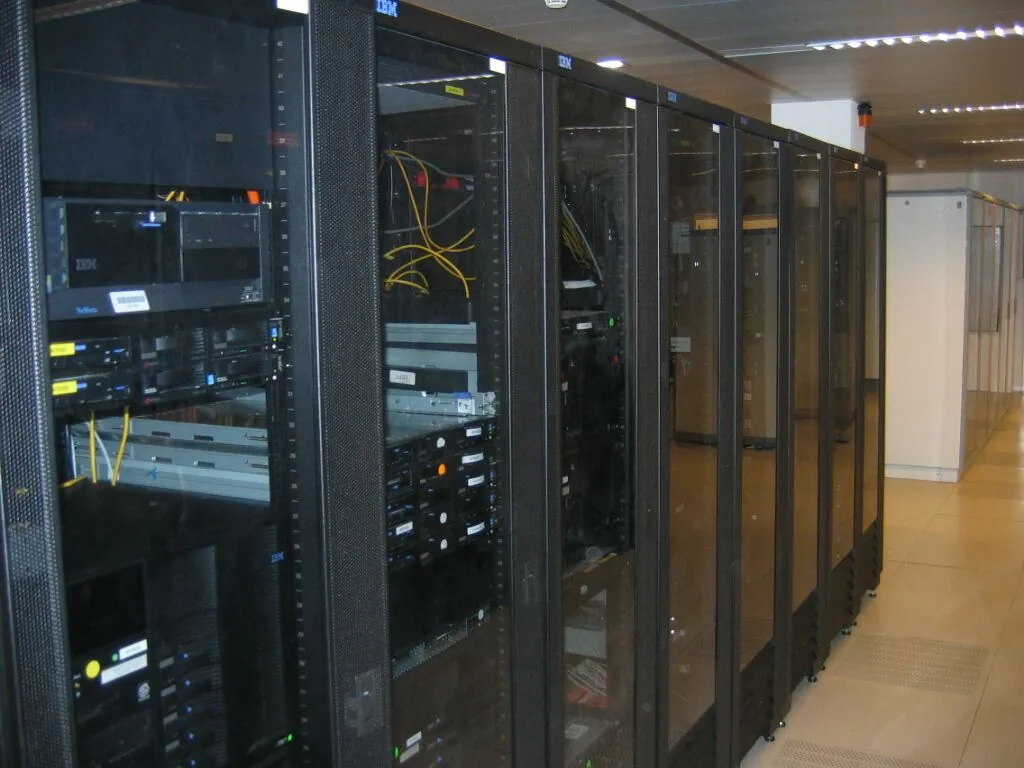
Waymo has offered a rare glimpse into the advanced computing hardware powering its autonomous driving system, providing new insights into the technology that could one day shape the future of self-driving vehicles in Canada and beyond.
In a recent technical deep dive, the Alphabet-owned company detailed the custom-built compute platform behind its Waymo Driver—the AI system responsible for processing sensor data and making real-time driving decisions. According to Waymo, this system represents a "fundamental shift" toward deterministic, low-latency performance, a critical requirement for safe and reliable autonomy on public roads.
The Brains Behind the Wheel
At the core of Waymo’s autonomous driving stack is a highly specialized computing architecture, co-designed over the past decade to meet the unique demands of self-driving. Unlike traditional automotive computing, which often relies on off-the-shelf solutions, Waymo’s system is purpose-built for the immense processing power required to interpret lidar, camera, and radar inputs in real time.
The company emphasizes that safety and predictability are non-negotiable in autonomous driving. To achieve this, its compute platform prioritizes deterministic performance—meaning it guarantees consistent response times under all conditions—while minimizing latency to ensure split-second decision-making. This is particularly important in dynamic urban environments, where unpredictable scenarios (such as sudden pedestrian crossings or erratic drivers) demand instantaneous reactions.
Why This Matters for Canada
While Waymo’s autonomous vehicles are not yet widely deployed in Canada, the technology has implications for the country’s evolving EV and AV landscape. Canadian cities like Toronto and Vancouver are increasingly becoming testbeds for autonomous vehicle trials, with companies like Uber and local startups exploring self-driving solutions. Waymo’s advancements could influence how these systems are developed and regulated in Canada, particularly as Transport Canada continues to refine its framework for automated vehicles.
Additionally, the compute technology behind autonomous driving has broader applications in electric vehicles. Many of the same principles—high-performance, low-latency processing—are relevant to advanced driver-assistance systems (ADAS) in consumer EVs, including those from Tesla, which has its own Full Self-Driving (FSD) beta program active in parts of Canada.
A Decade of Custom Engineering
Waymo’s blog post highlights that its compute platform didn’t emerge overnight. The company has spent years refining its hardware and software in tandem, optimizing every layer of the stack—from the silicon to the AI models—to work seamlessly together. This vertical integration is a key differentiator for Waymo, allowing it to fine-tune performance in ways that may not be possible with third-party solutions.
The reveal also underscores the intense computational demands of autonomous driving. Waymo’s system processes terabytes of data per hour, requiring not just raw power but also efficiency to operate within the thermal and energy constraints of a vehicle. For Canadian consumers and policymakers, this raises questions about infrastructure readiness—such as whether local power grids and data networks can support widespread AV adoption in the long term.
The Road Ahead
While Waymo’s technology is currently most visible in its robotaxi services in the U.S. (such as in Phoenix and San Francisco), the company has hinted at expanding its commercial applications, including potential partnerships with automakers. For Canada, this could mean future collaborations with domestic manufacturers or ride-hailing services looking to integrate autonomous capabilities.
For now, Waymo’s compute reveal serves as a reminder of just how complex—and impressive—the technology behind self-driving vehicles has become. As the industry continues to mature, Canadian drivers, regulators, and businesses will be watching closely to see how these innovations might reshape mobility north of the border.
Looking for EV deals, insurance, or financing? Check out our partner deals and offers.
If you found this guide helpful, use our Tesla referral link for free Supercharging credits on a new Tesla purchase or lease in Canada.
Next story · swipe left
Next story
Sunrun Shifts Away from Affiliates to Direct Sales
2 min read
Sunrun, the leading residential solar installer in the U.S., is making a strategic pivot that could reshape its business model—and may have implications…
The Charge Brief
Get Canada’s EV transition in your inbox
One email a day. No spam, unsubscribe anytime.