
technology
teslaTesla says FSD v15 is a ‘step-change,' Optimus sells in 2027
Tesla has shared a bold new timeline for its most ambitious projects, including Full Self-Driving (FSD), its upcoming Cybercab robotaxi, and the Optimus…
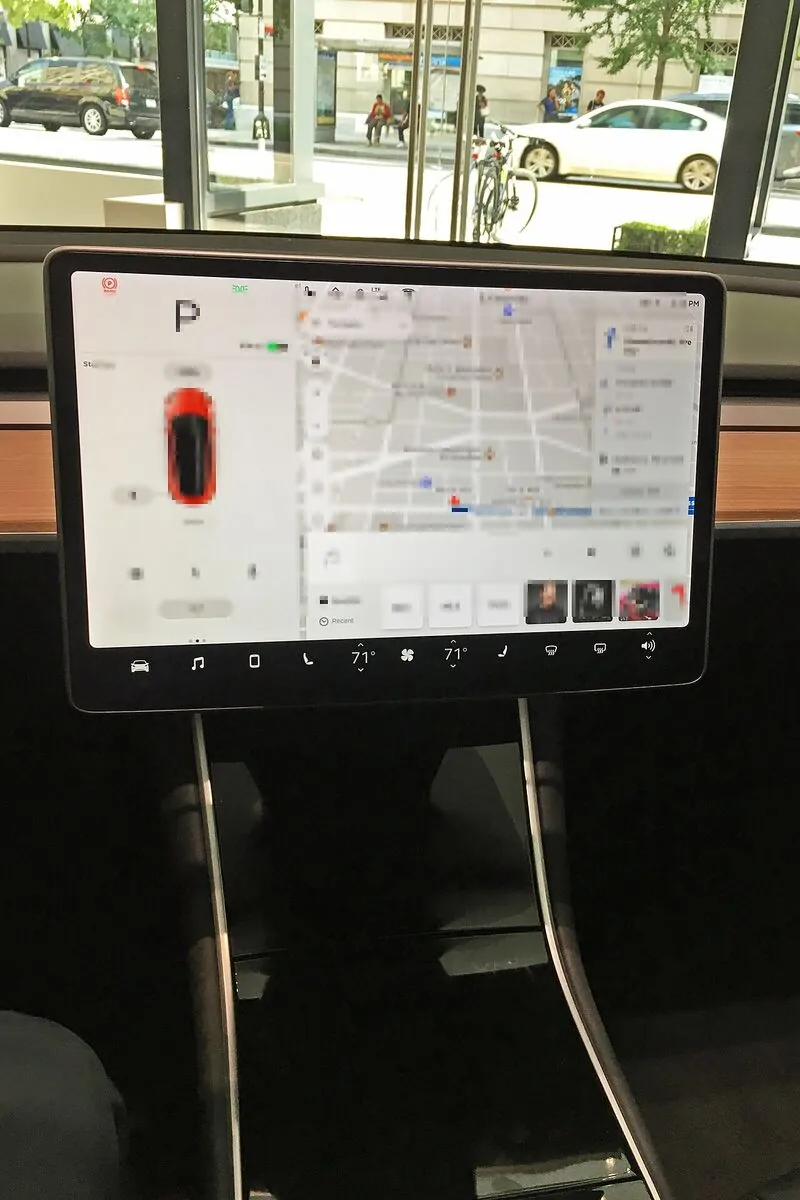
Tesla has shared a bold new timeline for its most ambitious projects, including Full Self-Driving (FSD), its upcoming Cybercab robotaxi, and the Optimus humanoid robot. During a recent meeting with JPMorgan analysts at its Fremont, California factory, the company provided updates that suggest significant progress—including the claim that FSD v15 represents a major leap forward in autonomous driving capability.
According to a report from Electrek, JPMorgan analysts left the meeting with key takeaways: FSD v15 is a "step-change" in performance, Tesla’s current HW4 computing hardware is already capable of supporting unsupervised driving, and the Optimus robot could begin selling as early as 2027.
FSD v15: A Major Milestone for Tesla’s Autonomous Driving
Tesla’s Full Self-Driving (FSD) system has long been a work in progress, with incremental updates improving its ability to navigate complex driving scenarios. The latest version, FSD v15, is being positioned as a turning point. While Tesla has not yet released official details, JPMorgan’s assessment suggests that this update could bring the system closer to true Level 4 autonomy—where the vehicle can operate without human intervention in most conditions.
For Canadian Tesla owners, this is particularly relevant. FSD is available in Canada as an add-on (currently priced at $19,000 CAD), though it still requires driver supervision. If HW4—already installed in newer Tesla models—can indeed support unsupervised driving, it may accelerate regulatory discussions in Canada, where autonomous vehicle laws are still evolving.
Cybercab and Robotaxi Ambitions
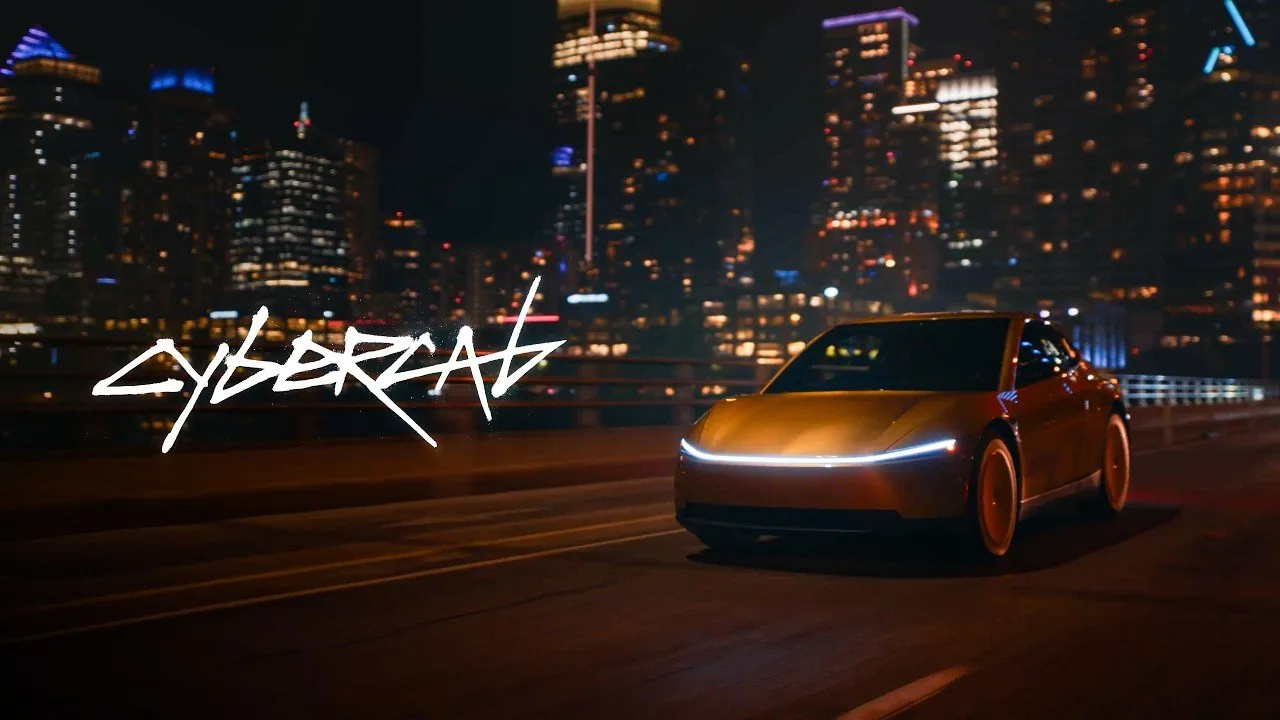
Tesla’s long-awaited Cybercab, a dedicated robotaxi without a steering wheel or pedals, remains a key part of the company’s vision. While no firm launch date was confirmed, the meeting reinforced Tesla’s commitment to a fully autonomous ride-hailing service. If FSD v15 delivers on its promise, the Cybercab could enter testing in select markets—though Canadian deployment may still be years away due to regulatory hurdles.
Optimus Robot: Commercial Launch in 2027?
One of the most surprising revelations was Tesla’s timeline for Optimus, its humanoid robot. Elon Musk has previously suggested that Optimus could eventually become a major revenue stream, and JPMorgan’s report indicates that commercial sales could begin in 2027. While the robot is still in development, Tesla appears confident in its potential—possibly for industrial, logistics, or even consumer applications.
For Canada, where automation in manufacturing and logistics is growing, Optimus could find early adopters in warehouses or factories. However, pricing and exact capabilities remain unknown.
What This Means for Canadian Tesla Owners
For now, Canadian Tesla drivers can expect FSD v15 to roll out in the coming months, assuming it passes internal testing. The HW4 hardware—already in Model Y, Model 3, Cybertruck, and Model S/X vehicles—suggests that many existing owners may already have the necessary computing power for future autonomy updates.
However, full regulatory approval for unsupervised FSD in Canada is still uncertain. Transport Canada has been cautious about autonomous driving, requiring extensive validation before permitting hands-off operation. Tesla’s progress may push discussions forward, but widespread unsupervised FSD in Canada is likely still years away.
As Tesla continues to push the boundaries of AI and robotics, the next few years will be critical in determining whether these ambitious timelines hold—or if they remain, as some skeptics suggest, overly optimistic. For now, Canadian EV enthusiasts will be watching closely.
Looking for EV deals, insurance, or financing? Check out our partner deals and offers.
If you found this guide helpful, use our Tesla referral link for free Supercharging credits on a new Tesla purchase or lease in Canada.
Next story · swipe left
Next story
Geely prepares revolutionary 500 Wh/kg solid-state EV battery that could beat diesel
2 min read
Geely is making waves in the electric vehicle (EV) industry with its announcement of a next-generation solid-state battery that could redefine energy…
The Charge Brief
Get Canada’s EV transition in your inbox
One email a day. No spam, unsubscribe anytime.