
industry
batteryStellantis Eyes Exit From Samsung Battery Venture — a Week After Unwinding Its Windsor Plant Deal for US$100
Bloomberg reports Stellantis is exploring an exit from the StarPlus Energy joint venture with Samsung SDI in Indiana, after selling its stake in the NextStar battery plant in Windsor, Ontario to LG Energy Solution for US$100. The pullback follows €22 billion in writedowns.
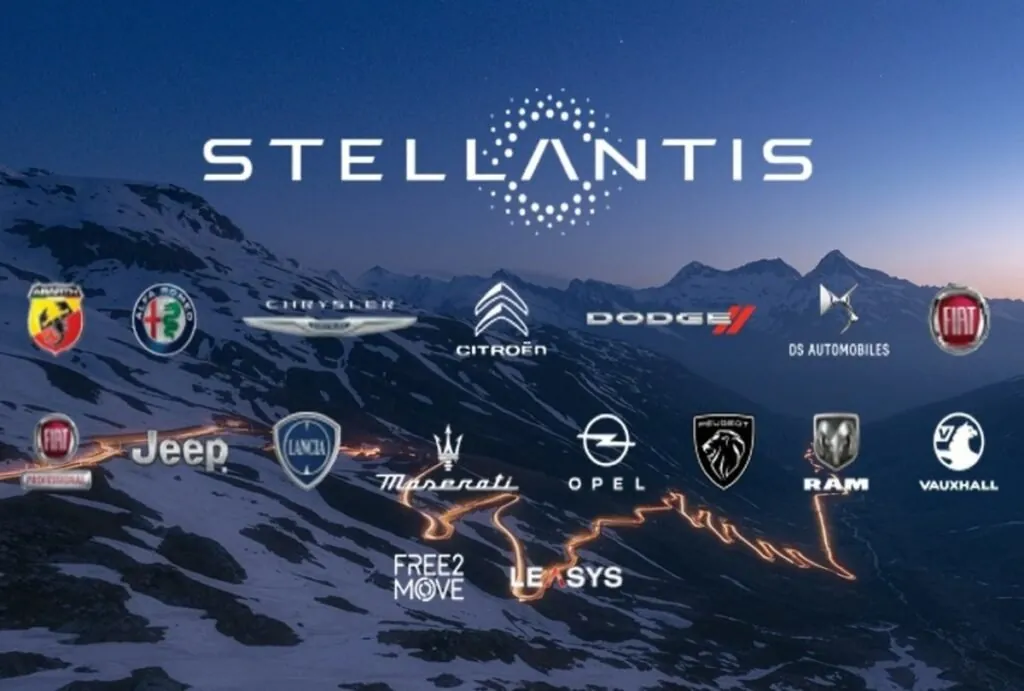
Stellantis is looking to walk away from its second big battery joint venture in a week. Bloomberg, reporting on people familiar with the discussions, says the automaker is exploring an exit from the StarPlus Energy venture with South Korea's Samsung SDI in Kokomo, Indiana — days after it disclosed more than €22 billion (about US$26 billion) in writedowns and sold its stake in the NextStar battery plant in Windsor, Ontario, to LG Energy Solution for just US$100.
No final decision has been made and the situation could change, the people said. An exit could be costly and lengthy, and Stellantis could sell its stake to a third party. "We continue to have ongoing collaborative discussions with Samsung on the future of our StarPlus Energy JV," Stellantis said in a statement, while Samsung's U.S. representatives did not respond to a request for comment.
What happened in Windsor — and why it matters in Canada
The Canadian connection is the earlier transaction. Last week, Stellantis exited its separate joint venture with LG Energy Solution in Windsor — the NextStar Energy plant that anchors Canada's flagship EV battery industrial policy — with LG buying out Stellantis' stake for US$100. Stellantis said it still plans to buy EV batteries from the factory.
The near-zero price tag shows how sharply the economics of battery manufacturing have turned for the owner of Jeep and Ram. "The exit from the LG JV in Canada was a surprise and leaves us wondering what the future is for the Indiana JV with Samsung SDI," HSBC analyst Michael Tyndall wrote in a note to clients.
The Indiana venture now on the block
Stellantis and Samsung formed the Indiana joint venture in 2021, pledging US$2.5 billion and 1,400 new jobs in Kokomo, a city already home to Stellantis engine and transmission plants. The factory — Samsung's only U.S. battery plant — started production in 2024 and has already shifted to making some cells for energy storage rather than vehicles, and Samsung has recently secured several new customers for stationary storage cells, one of the people said.
In Europe, the Stellantis-backed Automotive Cells Co. confirmed on Saturday it will halt plans to build battery factories in Germany and Italy and is holding talks with unions in France on possible temporary unemployment measures because of ramp-up problems.
Why the pullback is happening now
Chief executive Antonio Filosa is working to stem losses on EV and battery projects after U.S. President Donald Trump's moves undermined plug-in car demand, and Filosa's electric pullback means Stellantis will need fewer battery plants than expected, Bloomberg reported. Stellantis, GM, Ford and their partners have all been reassessing billions in battery investments made during the Biden era, shifting some production toward cells for grid and data-centre storage where demand is growing.
For Canadian readers, the message is double-edged: the Windsor NextStar plant continues under LG's full ownership with Stellantis as a customer, but the largest Euro-American automaker operating in Canada is now actively shrinking its battery footprint on both sides of the border.
Looking for EV deals, insurance, or financing? Check out our partner deals and offers.
If you found this guide helpful, use our Tesla referral link for free Supercharging credits on a new Tesla purchase or lease in Canada.
Next story · swipe left
Next story
Canada Hits Back With $28B in Counter-Tariffs. Here's What It Means for EV Buyers
5 min read
Canada announced $28 billion in retaliatory tariffs on 700 U.S. goods after 50 percent tariffs on Canadian products took effect this weekend. For Canadian EV buyers, the trade war means higher prices, shifting manufacturing plans, and a push for made-in-Ontario vehicles.
The Charge Brief
Get Canada’s EV transition in your inbox
One email a day. No spam, unsubscribe anytime.