
technology
Hydrogen Fuel Cell EVs in Canada: Are They Still Relevant in 2026?
Hydrogen fuel cell electric vehicles in Canada — current models, refuelling infrastructure, and whether hydrogen cars still compete with battery EVs in 2026.
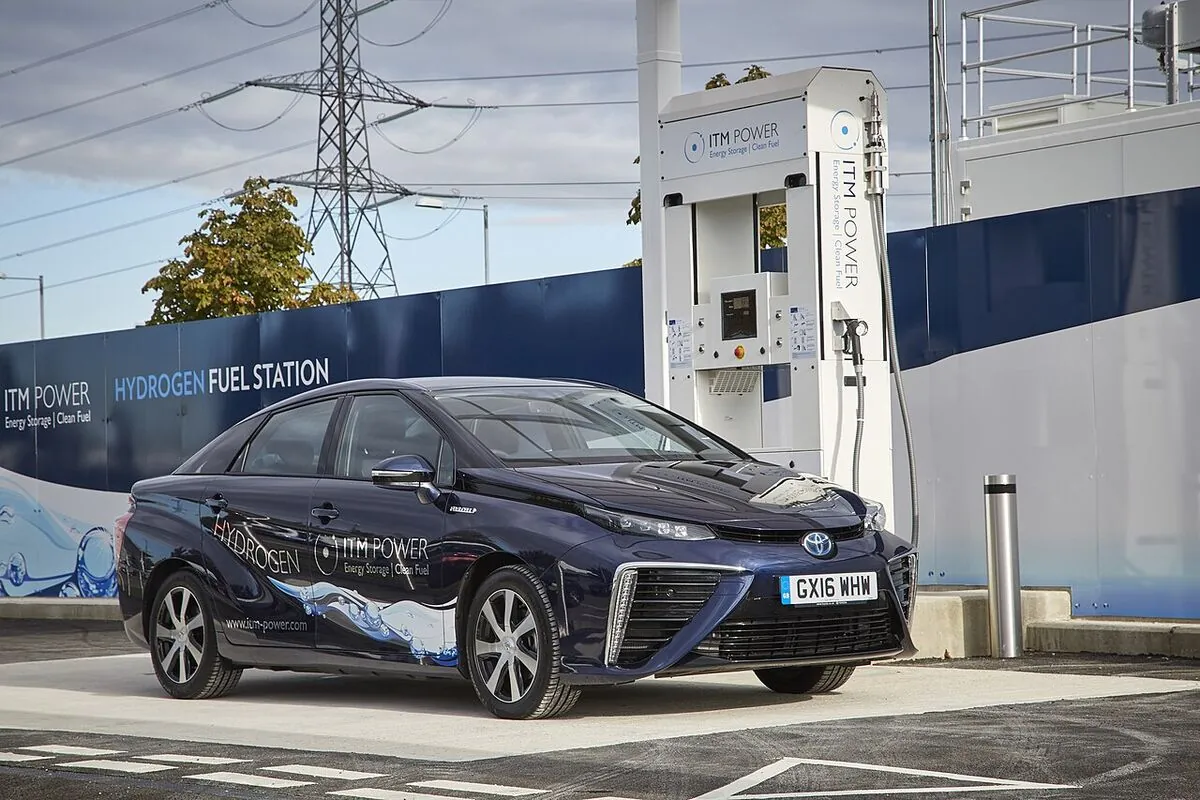
Hydrogen fuel cell vehicles promised a refuelling experience closer to gasoline — three-minute fills, long range, zero tailpipe emissions — and for a period in the early 2020s they looked like a credible Canadian alternative to battery EVs. Six years later, battery EVs have won the consumer market and hydrogen cars have been relegated to niche fleet applications. Understanding why is useful context for anyone evaluating the Canadian EV landscape.
How hydrogen fuel cells work
A fuel cell EV combines hydrogen with oxygen from the air to produce electricity, with water as the only tailpipe emission. The electricity drives an electric motor exactly like a battery EV — the difference is the energy storage method. Hydrogen is stored in high-pressure tanks and refuelled at dedicated stations in minutes, similar to gasoline. The range is typically 500–650 km, and cold-weather performance is better than battery EVs because fuel cells generate their own waste heat, which warms the cabin without drawing from a traction battery.
The Canadian infrastructure problem
Hydrogen refuelling stations in Canada are extremely sparse — a handful in British Columbia, a few in Quebec, and almost nothing in Ontario or the Prairie provinces. The station density is far below the threshold where consumers would feel confident buying a hydrogen car, because a vehicle that can't refuel on a highway trip to Ottawa or Winnipeg is functionally limited to metro use. Building hydrogen stations is far more expensive than building Level 2 or DC fast-charging stations — each station costs several million dollars, and the hydrogen supply chain is still immature in Canada.
Cost and efficiency
Hydrogen production, transport, and fuelling is less efficient than battery charging — roughly 60–70% of the original energy is lost before it reaches the vehicle's wheels, compared to 75–90% for grid-to-battery charging. Hydrogen fuel is also more expensive per kilometre than electricity in most Canadian provinces, because the production and distribution infrastructure hasn't reached scale. The vehicles themselves are expensive — the Toyota Mirai and Hyundai Nexo have carried price premiums that limited their market to early adopters and fleets with specific operational requirements.
Where hydrogen still makes sense
Heavy-duty applications — long-haul trucking, buses, trains, and industrial vehicles — are the most credible use case for hydrogen in Canada. Battery weight makes long-haul electrification challenging; hydrogen's energy density per kilogram is better for heavy vehicles that need range without massive battery packs. Several Canadian transit agencies and logistics companies have run hydrogen bus pilots. These are fleet decisions, not consumer decisions, and they're driven by operational requirements rather than consumer preference.
The verdict for Canadian consumers
In 2026, hydrogen fuel cell cars are not a practical consumer option in Canada. The infrastructure isn't there, the vehicles are expensive, and battery EVs have reached a level of maturity that makes the hydrogen advantage in refuelling speed irrelevant for most drivers. Watch for hydrogen in heavy-duty and fleet applications — that's where the Canadian market is heading. For personal vehicles, battery EVs are the clear answer.
Looking for EV deals, insurance, or financing? Check out our partner deals and offers.
If you found this guide helpful, use our Tesla referral link for free Supercharging credits on a new Tesla purchase or lease in Canada.
Next story · swipe left
Next story
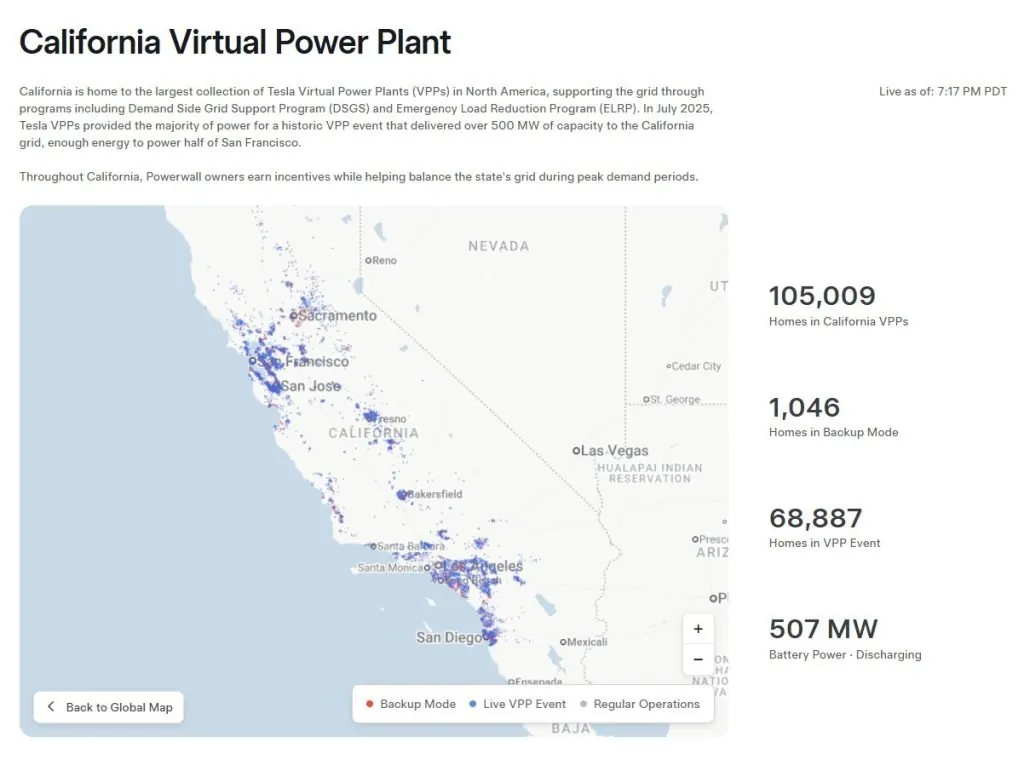
Tesla's California Virtual Power Plant Hit 507 MW From 68,887 Homes — Why That Matters for Canadian Grids
5 min read
Tesla's California virtual power plant delivered 507 MW to the grid during a September heatwave from 68,887 participating Powerwall homes — output comparable to a conventional power plant. The network has grown from 7,000 homes in 2023 to more than 105,000, with Tesla paying nearly US$10 million to participants in 2024.
The Charge Brief
Get Canada’s EV transition in your inbox
One email a day. No spam, unsubscribe anytime.