
technology
costsEV Repair Costs Are Closing In on Gas Cars — and Canadian Insurers Have Noticed
Mitchell's Q2 2026 collision data shows the repair-cost gap between battery-electric and gas vehicles in Canada has narrowed to just $1,234 — the smallest on record — as BEV claims passed 5% of repairable volume for the first time. Here is what is driving the parity.
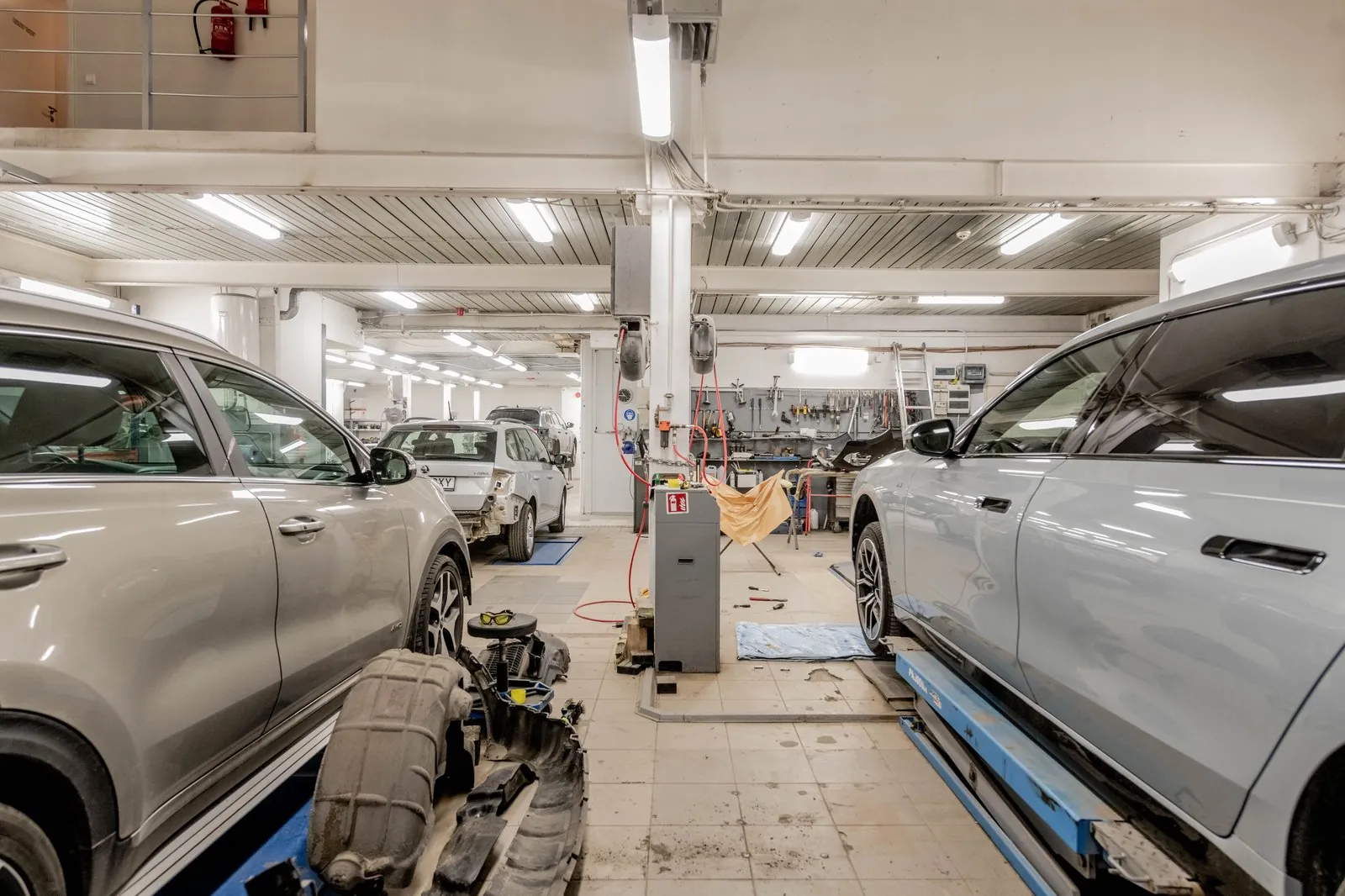
The gap between what it costs to repair a battery-electric vehicle and a gasoline car after a collision in Canada has shrunk to the narrowest on record. Mitchell International's Q2 2026 Plugged-In: EV Collision Insights report puts the difference in average repairable severity at $1,234 in Canada — $6,645 for BEVs versus $5,411 for internal-combustion vehicles — as reported by Canadian Underwriter on August 27.
In the United States the gap is even tighter at US$729 ($5,684 versus $4,955). Mitchell, an Enlyte company, says that if the trend holds, it points to a combination of two forces: higher total-loss frequency for EVs, and an electric fleet that is simply maturing.
Why the gap is shrinking
"Historically, BEVs generate higher repair costs due, in part, to more complex, interconnected systems," the report notes. But Q2 data shows those premiums eroding across all model years. Ryan Mandell, Mitchell's vice-president of strategy and market intelligence, calls the shrinking premium an important development for insurers and collision repairers as the EV parc ages.
EVs now over 5% of Canadian collision claims
For the first time, battery-electric vehicles and mild hybrids each accounted for more than 5% of repairable claims in Canada — new records, rising 12% and 28% year-over-year respectively. New electric vehicle sales in Canada also jumped 21% in the first four months of 2026 compared with the same period of 2025.
By repairable claims frequency, the top North American BEV markets are British Columbia at 9.34% (up 0.68 points from Q1 2026), Quebec at 9.19% (up 0.59 points), and California at 7.02%. Two Canadian provinces lead the continent.
The tariff wildcard
The parity trend has a caveat: parts. BEVs rely more heavily on OEM replacement components than gas cars and typically have fewer parts repaired versus replaced. Mitchell flags ongoing CUSMA review and tariffs, plus Middle East conflict pressures on shipping and aluminum, as risks that could reintroduce cost variability into exactly the parts supply that EV repairs depend on.
For Canadian EV owners, the data is quietly good news: the collision-repair premium that helped push EV insurance premiums higher is narrowing, even as EVs become a normal part of the claims mix.
Looking for EV deals, insurance, or financing? Check out our partner deals and offers.
If you found this guide helpful, use our Tesla referral link for free Supercharging credits on a new Tesla purchase or lease in Canada.
Next story · swipe left
Next story
How Much Does It Cost to Charge an EV in Canada? A Province-by-Province Breakdown
5 min read
Charging an EV in Canada costs a fraction of gasoline — but the savings depend on where you live. Real numbers for home and public charging across every province.
The Charge Brief
Get Canada’s EV transition in your inbox
One email a day. No spam, unsubscribe anytime.