
policy
Carney's '3% Chinese EV' Claim Masks 28% of Canada's EV Market
The Hub analysis reveals the 49,000-vehicle quota Ottawa negotiated with Beijing equals nearly 28% of every EV sold in Canada last year — rising to 67,000 by 2031. Taiwan bans Chinese cars outright; the U.S. blocks them from 2027.
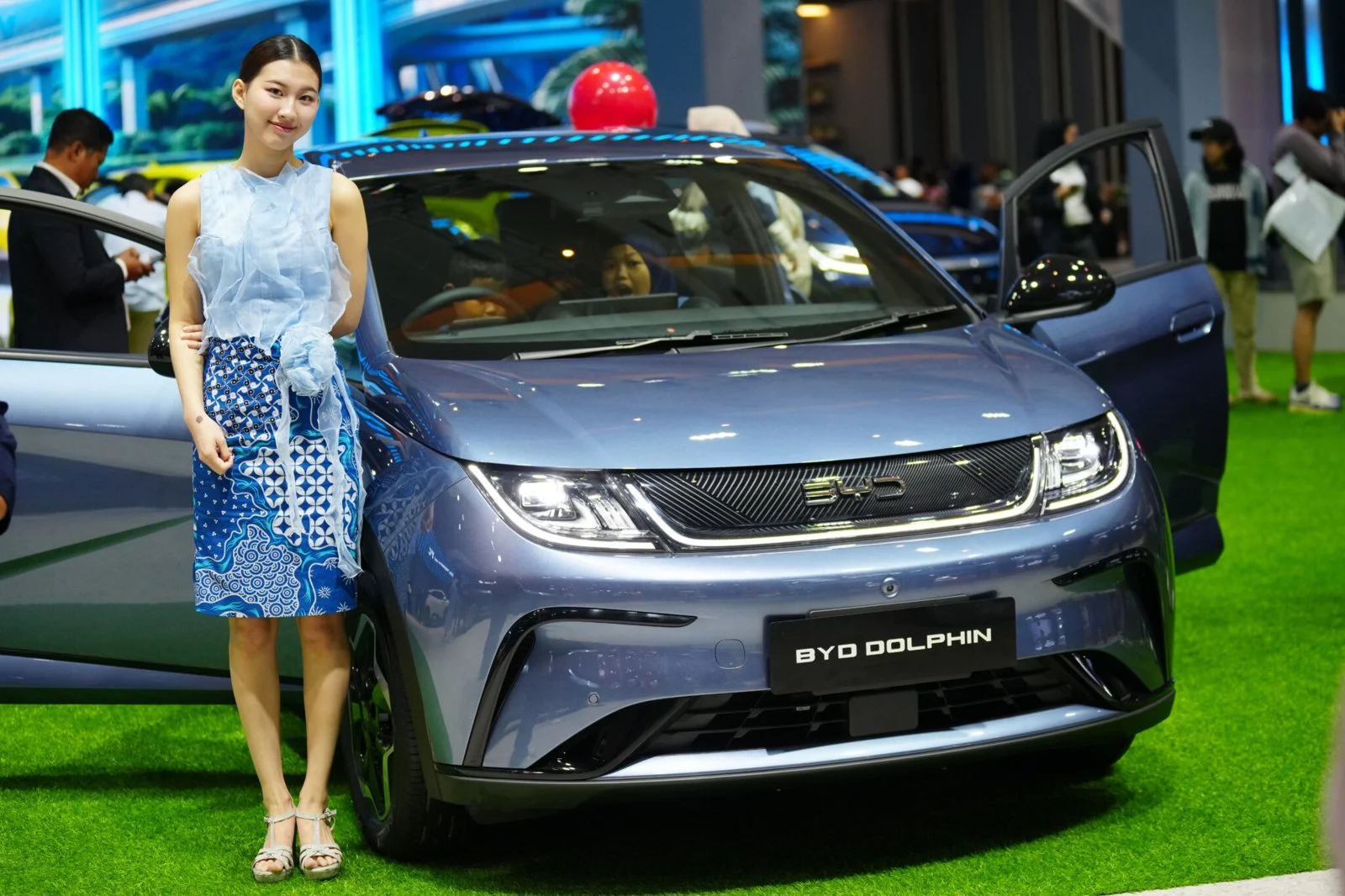
Prime Minister Mark Carney has repeatedly stated that Chinese electric vehicles will make up "less than 3 percent of the Canadian car market" under his trade deal with Beijing — a figure he cited to Donald Trump at the G7. The number that actually matters for the EV segment: 28 percent.
The quota math
The 49,000-vehicle annual quota Ottawa negotiated equals nearly 28 percent of every EV sold in Canada in 2025, according to analysis by The Hub. The ceiling escalates to 67,000 units by 2031 — over a third of the current EV market.
As of mid-September 2026, Canada has imported 15,603 Chinese EVs under the quota, less than a third of the annual allowance. The deal lowered Canada's tariff on Chinese EVs from 100 percent to 6.1 percent in January 2026.
International context
- Taiwan: Imports zero complete Chinese vehicles, citing national security, information security, and industrial development.
- United States: Commerce Department rule bars Chinese-linked automakers from the U.S. market starting with the 2027 model year — even for cars built on American soil.
- Poland, U.K., Israel: Keep Chinese EVs off military bases.
- Canada: Cut tariffs to 6.1% and is courting BYD, Chery, and Geely for joint ventures.
Security and industrial risks
The Biden administration's 2024 review warned that connected Chinese cars can harvest driver data, map infrastructure through cameras, and be "piloted or disabled remotely." The U.S. trade representative has opened a Section 301 investigation into 60 countries — including Canada — over forced-labour enforcement. Aluminum in Chinese EVs traces to smelters and coal mines staffed by transferred Uyghur workers, as China analyst Margaret McCuaig-Johnston told MPs in April.
Industry Minister Mélanie Joly travelled to China in June with a "build where you sell" pitch; BYD, Chery, and Geely are all exploring joint ventures. BYD also wants to operate the charging network. Ottawa's conditions — majority Canadian ownership, Canadian parts, secure software — describe a company that would no longer be BYD, The Hub notes.
Industrial math
Beijing spent an estimated $230 billion USD subsidizing EVs and batteries between 2009 and 2023 (Center for Strategic and International Studies). BYD makes more than 70 percent of its parts in-house and controls batteries, motors, and electronic controls. Taiwan Institute of Economic Research president Chang Chien-yi calls the playbook "origin-washing": assemble in a third country, import cells from China, ship under a local certificate, price below cost until domestic producers exit, then raise prices.
Honda and Toyota invested in Canadian plants on the assumption the rules would not be rewritten beneath them. The quota resets on February 28, 2027 — the same model year Washington's ban takes effect.
Looking for EV deals, insurance, or financing? Check out our partner deals and offers.
If you found this guide helpful, use our Tesla referral link for free Supercharging credits on a new Tesla purchase or lease in Canada.
Next story · swipe left
Next story
Canadian EV Market Share 2026: Who Is Winning
6 min read
Canada’s EV market share continued climbing in 2026. Here is which brands and models gained ground, which fell behind, and what the sales data means for buyers.
The Charge Brief
Get Canada’s EV transition in your inbox
One email a day. No spam, unsubscribe anytime.