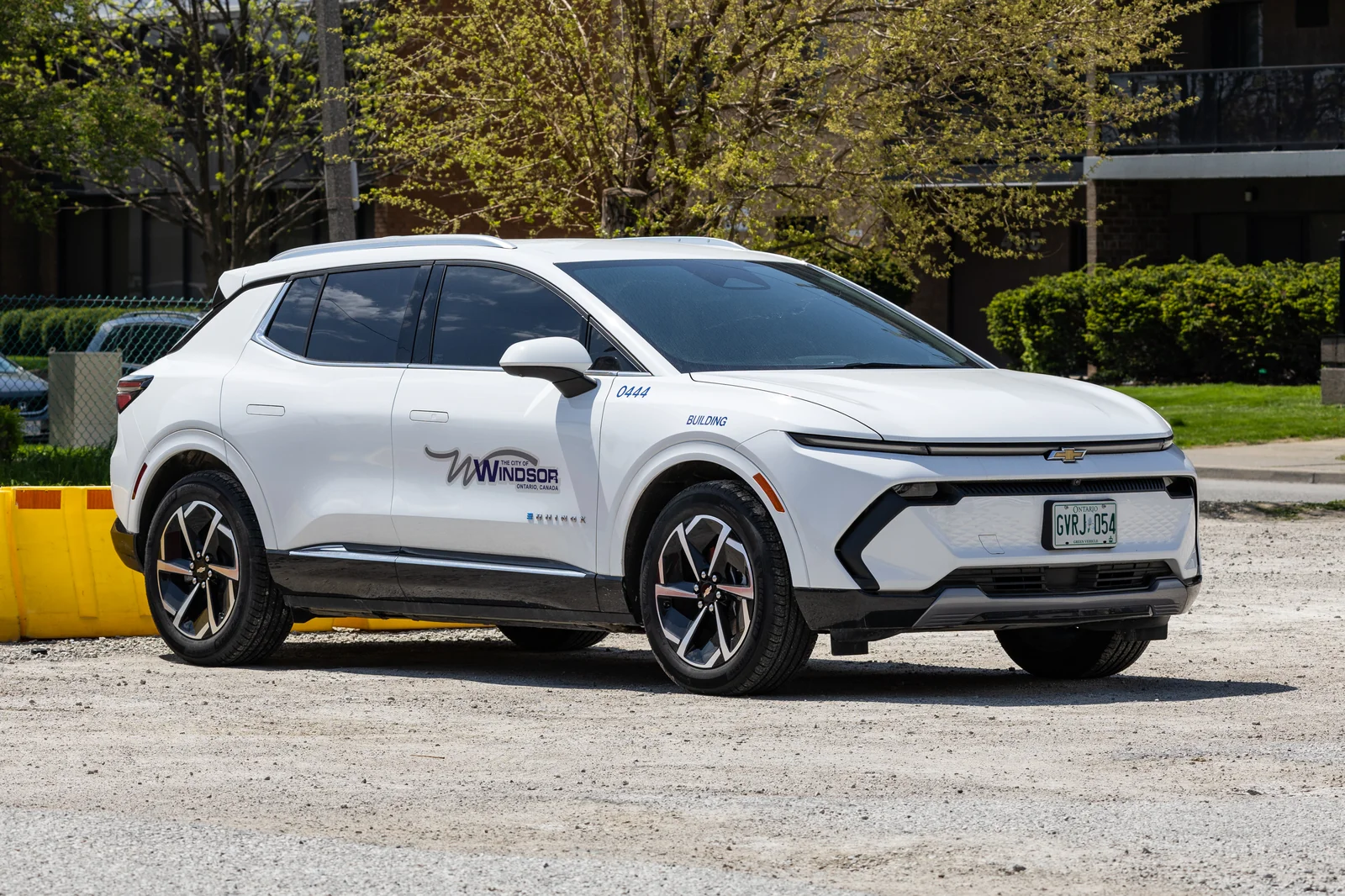

Ontario Just Set an EV Sales Record — With No Provincial Rebate
Ontario recorded its highest-ever EV market share in June 2026: 9.4 percent of new vehicle sales, or 7,365 cars, up 94 percent year-over-year — and it happened without a provincial rebate. Nationally, 21,876 ZEVs were sold as the federal $5,000 incentive bites.
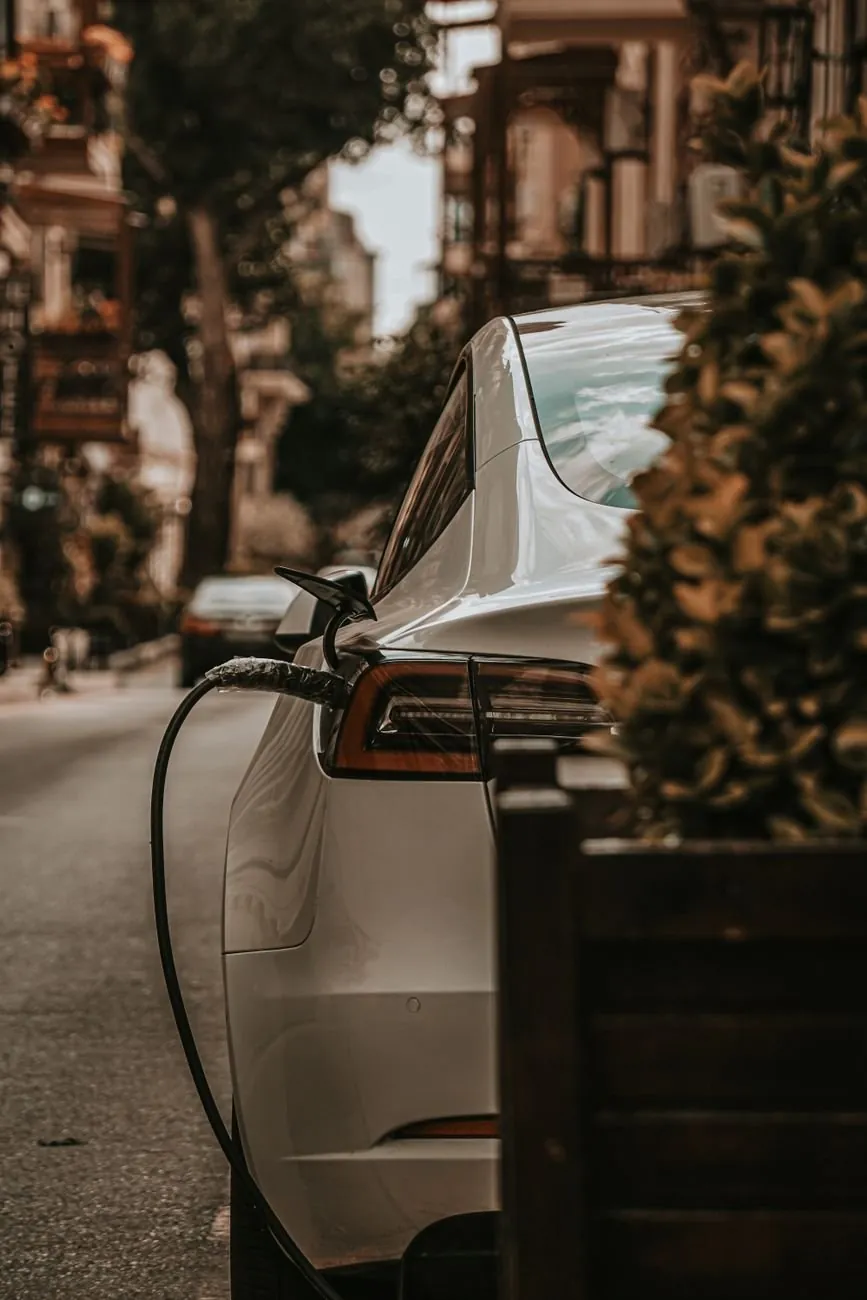
Canada's EV market is having a comeback year, and the surprise leader is the province with no provincial incentive. Ontario recorded its highest-ever EV market share in June — 9.4 percent of new vehicle sales, or 7,365 cars, up 94 percent from June 2025 — according to Statistics Canada data reported by The Pointer on September 2. Nationally, 21,876 new zero-emission vehicles were sold in June, 11.5 percent of all new motor vehicle sales, up from 7.9 percent a year earlier.
The rebate math behind the surge
The new $2.275-billion federal Electric Vehicle Affordability Program (EVAP) offers up to $5,000 for battery-electric and hydrogen fuel cell vehicles and up to $2,500 for plug-in hybrids, and launched February 16, 2026 after the original iZEV program's 2025 halt. The pause had visibly hurt: national EV sales fell from 17,101 in September 2025 to 14,653 in October — a 14.3 percent drop — before sliding further in November. Recovery was immediate once the money returned: 21,574 EVs sold in March, and 92,102 between February and June 2026 versus 64,923 in the same window of 2025 — a 42 percent increase.
The incentive's $50,000 price cap is reshaping the market itself. Clean Energy Canada's director of policy and strategy Joanna Kyriazis told The Pointer that automakers are pricing models to come in under the cap, and the majority of new EV sales are now below $45,000, against an average new vehicle price of about $63,000.
Why Ontario's record matters more than Quebec's or BC's
B.C. (21.7 percent EV share in June) and Quebec (about 19 percent) still lead on adoption — but both had rich stackable provincial rebates that have since wound down, which makes their numbers harder to read. "Ontario is a better kind of signal for just normal market forces because Ontario hasn't really had a rebate for a long time," Kyriazis said — Ontario cancelled its own incentive program, which offered up to $14,000, back in 2018. An EV record set on federal incentive plus cheaper models alone, in the country's biggest car market, is the clearest signal yet of mainstream demand.
The headwind: the EVAS repeal
Two months after the rebate revival, Ottawa repealed the Electric Vehicle Availability Standards — the sales mandate — and the promised replacement tailpipe standards have not appeared. The government's own cost-benefit analysis, released August 15, estimates the repeal carries a net societal cost of $90.3 billion between 2026 and 2050, including 326 megatonnes of forgone GHG reductions. Environmental Defence's Sam Hersh called the repeal "another gift to the auto industry," and the public comment period on it runs until October 29. The longer-term worry, as Kyriazis frames it, is supply: without a mandate pulling inventory, "there's not the same pull for global car makers to be sending their EV inventory here."
What it means for Canadian buyers
For shoppers, the June numbers are practical ammunition: the sub-$45,000 EV segment is where automakers are competing hardest, and the federal $5,000 is available now, before amounts step down toward the program's 2030 end. Whether the momentum survives the mandate's absence is the market's biggest open question — and the numbers to watch are Ontario's, since they now move with the market, not a provincial treasury. Buyers comparing total ownership costs can model their own numbers in our province-by-province charging cost calculator, and track how we got here in our complete 2026 EV rebate guide.
Looking for EV deals, insurance, or financing? Check out our partner deals and offers.
If you found this guide helpful, use our Tesla referral link for free Supercharging credits on a new Tesla purchase or lease in Canada.
Next story · swipe left
Next story
Tesla Expands Vehicle-to-Load Capability to Model 3 and Additional Model Y Trims
4 min read
Tesla adds Vehicle-to-Load (V2L) functionality to Model 3 vehicles in select markets and expands availability to more Model Y trims, allowing owners to power devices from their vehicle's battery.
The Charge Brief
Get Canada’s EV transition in your inbox
One email a day. No spam, unsubscribe anytime.