
technology
CAA EV Circuit 2026 Shows EVs Use 40% Less Energy Than Gas Vehicles
Real-world test of 22 EVs finds average energy use of 2L gasoline equivalent per 100km, with charging adding 58-178 km in 15 minutes. Efficiency gains highlight winter performance improvements.
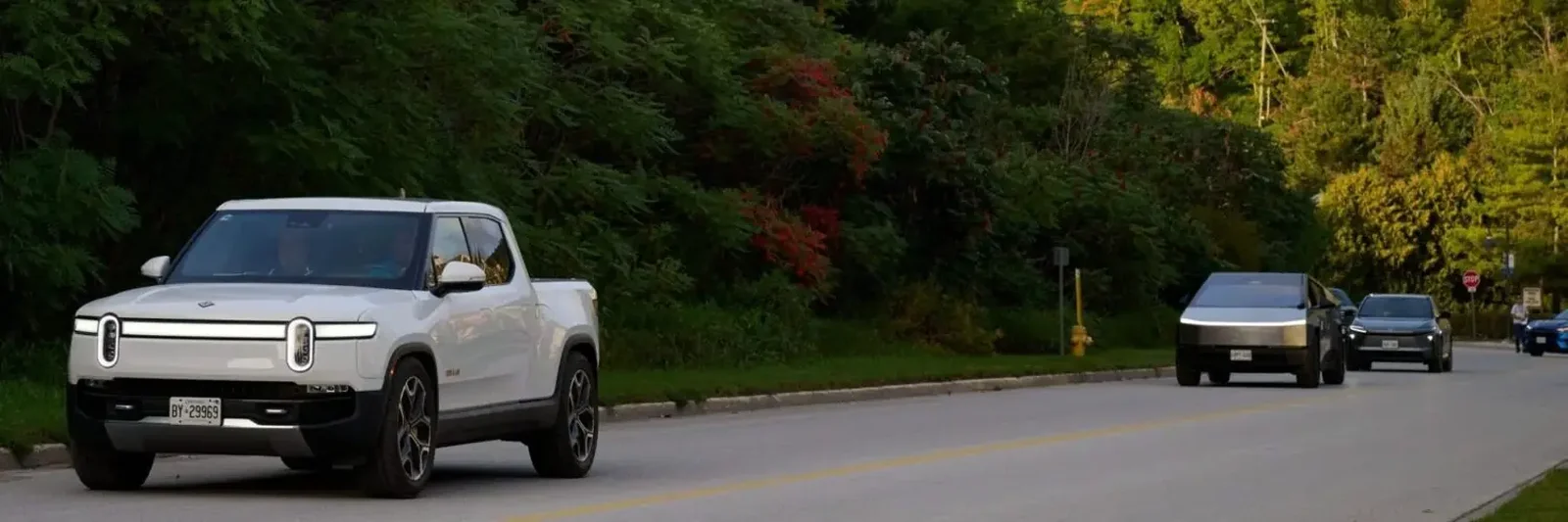
The Canadian Automobile Association’s 2026 EV Circuit tested 22 electric vehicles on a 230-kilometre route from Blue Mountain to Vaughan, Ontario, revealing that today’s EVs use roughly the energy equivalent of two litres of gasoline per 100 kilometres—about 40‑60 % less than the average Canadian passenger vehicle.
Conducted on September 16, 2026, the circuit found that energy consumption among the participating EVs ranged from 11.43 kWh/100 km (Toyota bZ4X) to 28.91 kWh/100 km (Lucid Gravity). On average, vehicles used only 40 % of their battery charge over the route, with the shortest‑range model still completing the trip without charging.
Charging adds 58‑178 km in 15 minutes
A standardized 15‑minute charging stop at the end of the route showed wide variation: the Lucid Gravity gained 178 km of displayed range, while the Lucid Air added only 58 km. Two‑thirds of vehicles added at least 100 km, demonstrating that a brief top‑up can meaningfully extend a journey.
Charging performance was affected by vehicle, charger, battery temperature and state of charge. Compared with the CAA’s 2025 EV Winter Test, the 2026 fleet added approximately 15 % more range during the charging session, underscoring the impact of warmer temperatures on EV efficiency.
What the numbers mean for drivers
- Lower operating cost: At 2 L/100 km gasoline equivalent, electricity costs are roughly one‑quarter of fuel costs for a comparable gasoline vehicle.
- Range confidence: All 22 vehicles completed the 230 km circuit without charging, eliminating range‑anxiety concerns for daily commutes and regional trips.
- Charging planning: Drivers should consider where and how often they charge, as the kilometres added per stop vary significantly by model and conditions.
The full data set, including make‑model breakdowns for energy use and charging gain, is available in the CAA’s Complete Vehicle Findings (PDF).
Looking for EV deals, insurance, or financing? Check out our partner deals and offers.
If you found this guide helpful, use our Tesla referral link for free Supercharging credits on a new Tesla purchase or lease in Canada.

Next story · swipe left
Next story
Is the Tesla Cybercab Available in Canada? Austin Launch, Timeline, and What It Costs to Ride
5 min read
Tesla's Cybercab officially joined the Austin Robotaxi fleet on September 4, 2026 — public rides begin at 5 p.m. CT. The two-seater has a sub-0.20 drag coefficient, no steering wheel or pedals, and uses inductive charging.
The Charge Brief
Get Canada’s EV transition in your inbox
One email a day. No spam, unsubscribe anytime.