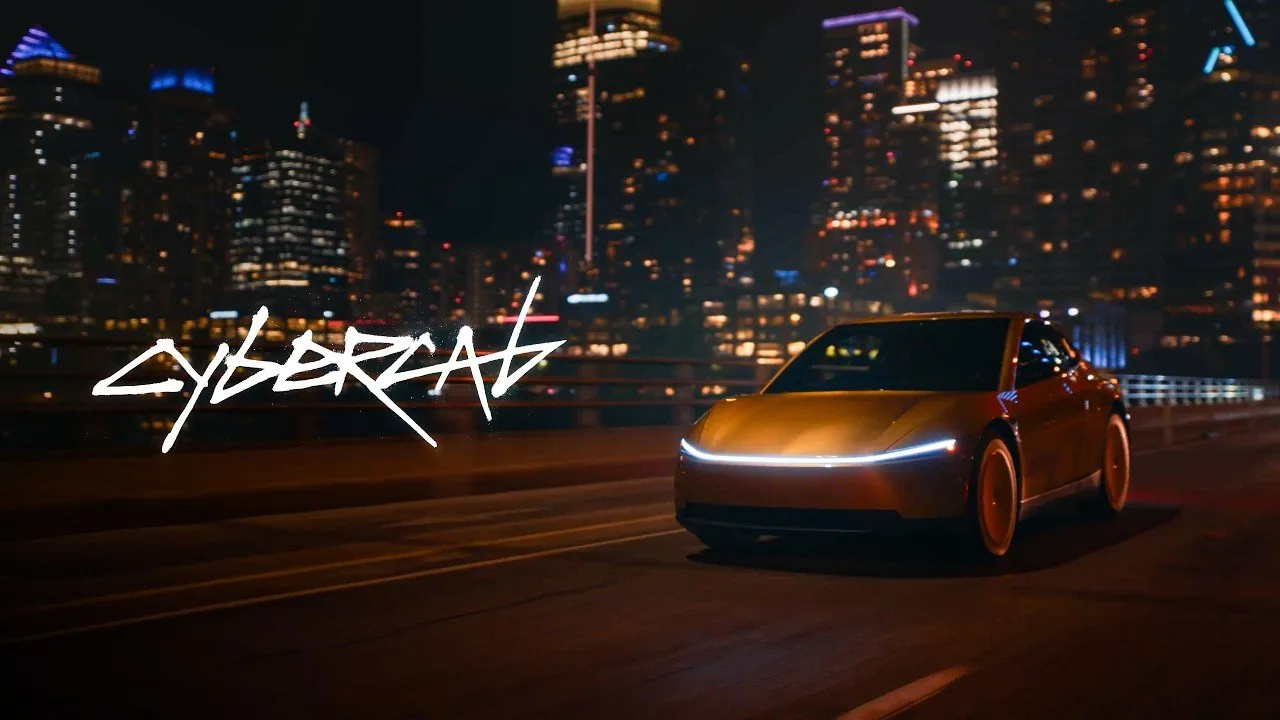

Tesla Cybercab Has No Onboard AC Charger — What That Means for Home Charging in Canada
Out of Spec's Kyle Conner confirmed at the Austin launch that the Cybercab has no onboard charger and cannot accept AC charging — DC fast charging and wireless inductive pads only. A consumer version under $30,000 could still charge at home, but not through a conventional Level 2 station.
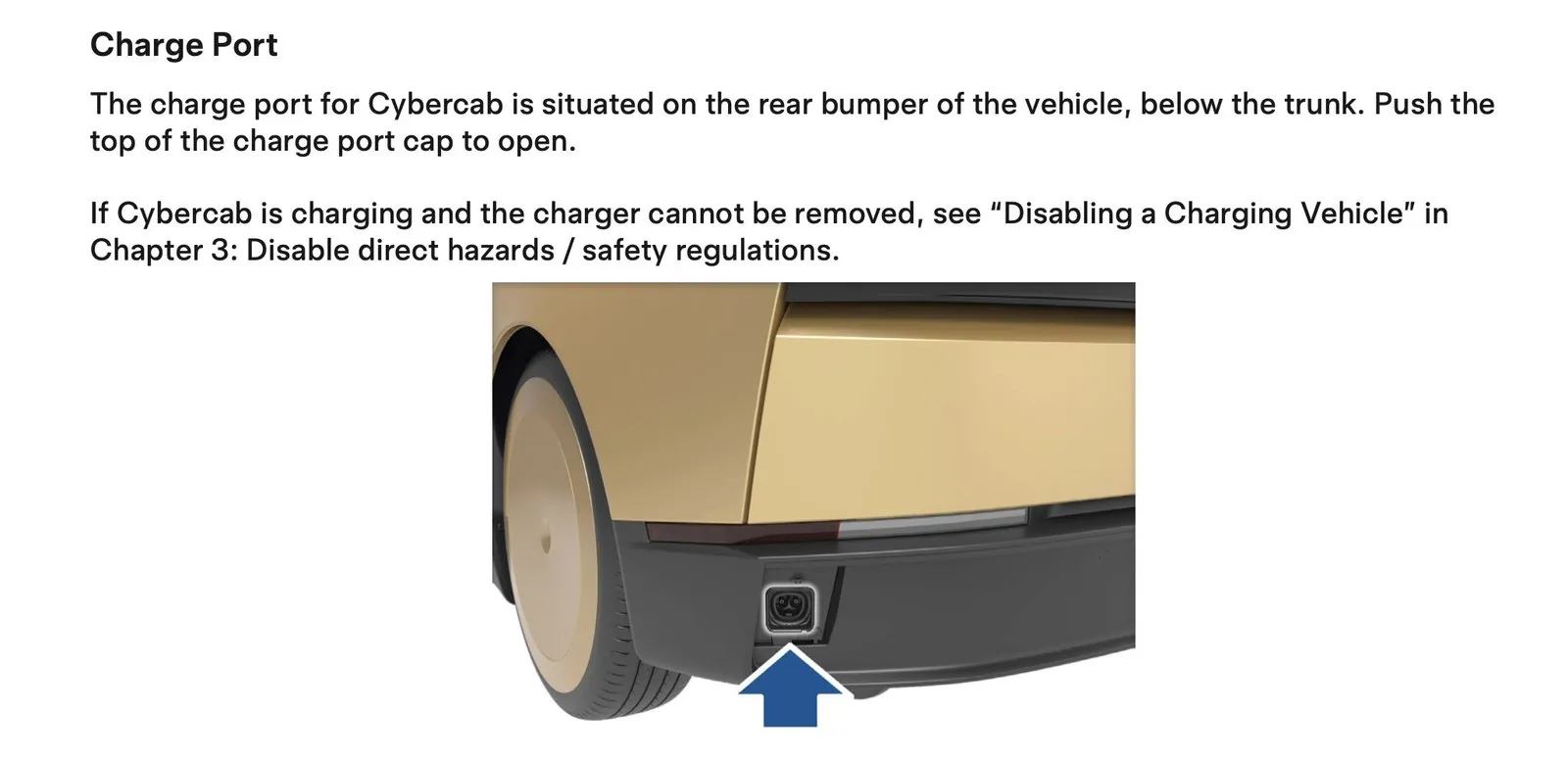
The Tesla Cybercab is missing a piece of hardware found in every other modern EV on Canadian roads. Kyle Conner of Out of Spec, confirming the setup at the Cybercab launch in Austin last week, said the purpose-built robotaxi does not have an onboard charger and cannot accept AC charging at all — as first reported by Drive Tesla on September 7.
"Also, yes to confirm it does not support AC charging," Conner wrote on X on September 4. "Perhaps if they ever sell a consumer version it would be needed but for fleet only, there's no OBC — which is kind of cool for cost / durability optimization."
What an onboard charger does — and why Tesla deleted it
An onboard charger converts AC electricity from a home wallbox or Level 2 charging station into the DC power a battery can store. Deleting it from the Cybercab strips weight, cost and complexity from a vehicle designed to spend its life in a commercial fleet plugging into DC Superchargers — a rational trade for a robotaxi that never parks in a suburban driveway.
For Canadian buyers watching the Cybercab program, the omission draws a sharp line between the fleet vehicle Tesla is operating in Austin and any consumer version the company might eventually sell north of the border.
How a consumer Cybercab could still charge at home
Tesla has already confirmed the Cybercab will support wireless inductive charging — critical for a vehicle designed to operate without a driver. Instead of someone plugging it in, the Cybercab parks over a charging pad and charges automatically, and Tesla demonstrated exactly that in a robotaxi wireless charging demonstration in October 2024. The wireless system can be supplied by AC power and handle the conversion itself, meaning a future home setup would replace the wall connector with a pad on the garage floor.
- DC fast charging: the fleet Cybercab plugs into Superchargers as its primary energy source — an option that does not exist at home, where the power draw and cost of a full Supercharger cabinet are prohibitive.
- Wireless inductive charging: confirmed for Cybercab; the pad handles AC-to-DC conversion, so no onboard charger is required.
- Conventional AC charging: impossible on the fleet version — no onboard charger means a Level 2 station, including the J1772 and NACS AC equipment most Canadian EV owners rely on, cannot deliver energy to the battery.
Still under $30,000, still before year-end — maybe
Tesla has not confirmed when the Cybercab will be sold directly to individuals, but at last week's launch event CEO Elon Musk hinted a consumer version would still arrive before the end of the year and be offered for less than $30,000. If that happens, the company could stick with wireless home charging and DC fast charging, or add conventional AC charging hardware back in. What it cannot do is ask buyers to install a Supercharger at home — the power requirements and cost make that a non-starter.
For now, the Cybercab remains a fleet-only machine in Austin, Texas. The charging architecture is one more sign that Tesla's robotaxi is being engineered as a commercial asset first and a consumer product second — and that any Canadian who eventually buys one will be charging it very differently from a Model 3 or Model Y.
Looking for EV deals, insurance, or financing? Check out our partner deals and offers.
If you found this guide helpful, use our Tesla referral link for free Supercharging credits on a new Tesla purchase or lease in Canada.
Next story · swipe left
Next story
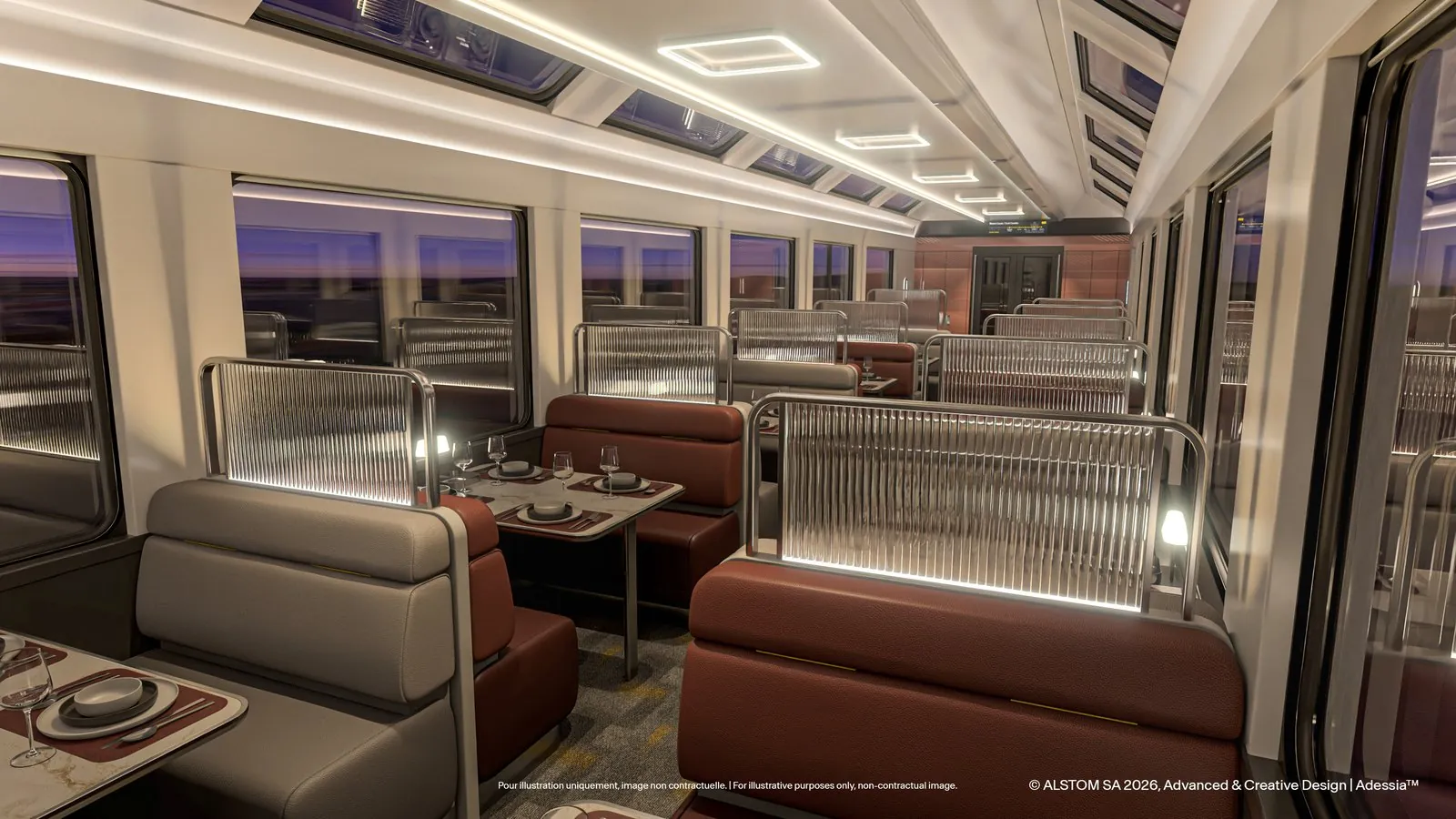
VIA Rail's $4.7 Billion Fleet Order: 313 Alstom Cars Built in Québec and Ontario
4 min read
Alstom will build 313 Adessia rail cars for VIA Rail Canada's long-distance, regional and remote routes under a C$4.7 billion agreement — carbody work in La Pocatière, final assembly in Thunder Bay, first fleet renewal in decades.
The Charge Brief
Get Canada’s EV transition in your inbox
One email a day. No spam, unsubscribe anytime.