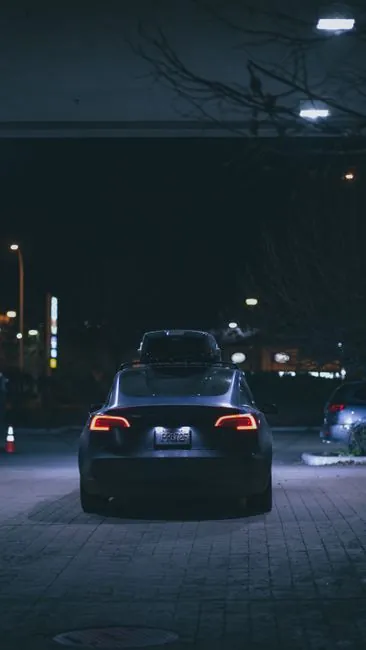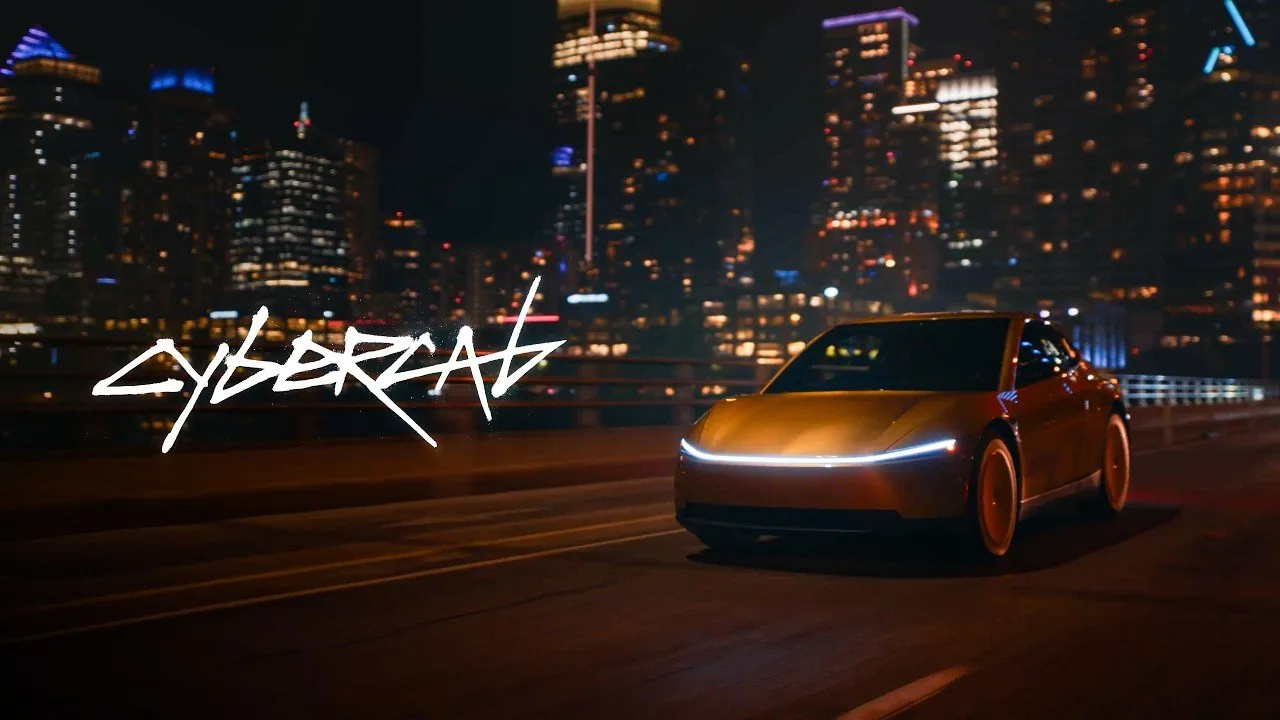

NHTSA Opens Audit Into Tesla Cybercab Certification — Day After Austin Robotaxi Launch
NHTSA audit query AQ26002 will examine how Tesla certified the steering-wheel-free Cybercab under U.S. safety standards, one day after paying riders launched in Austin. Here is what the filing actually says.
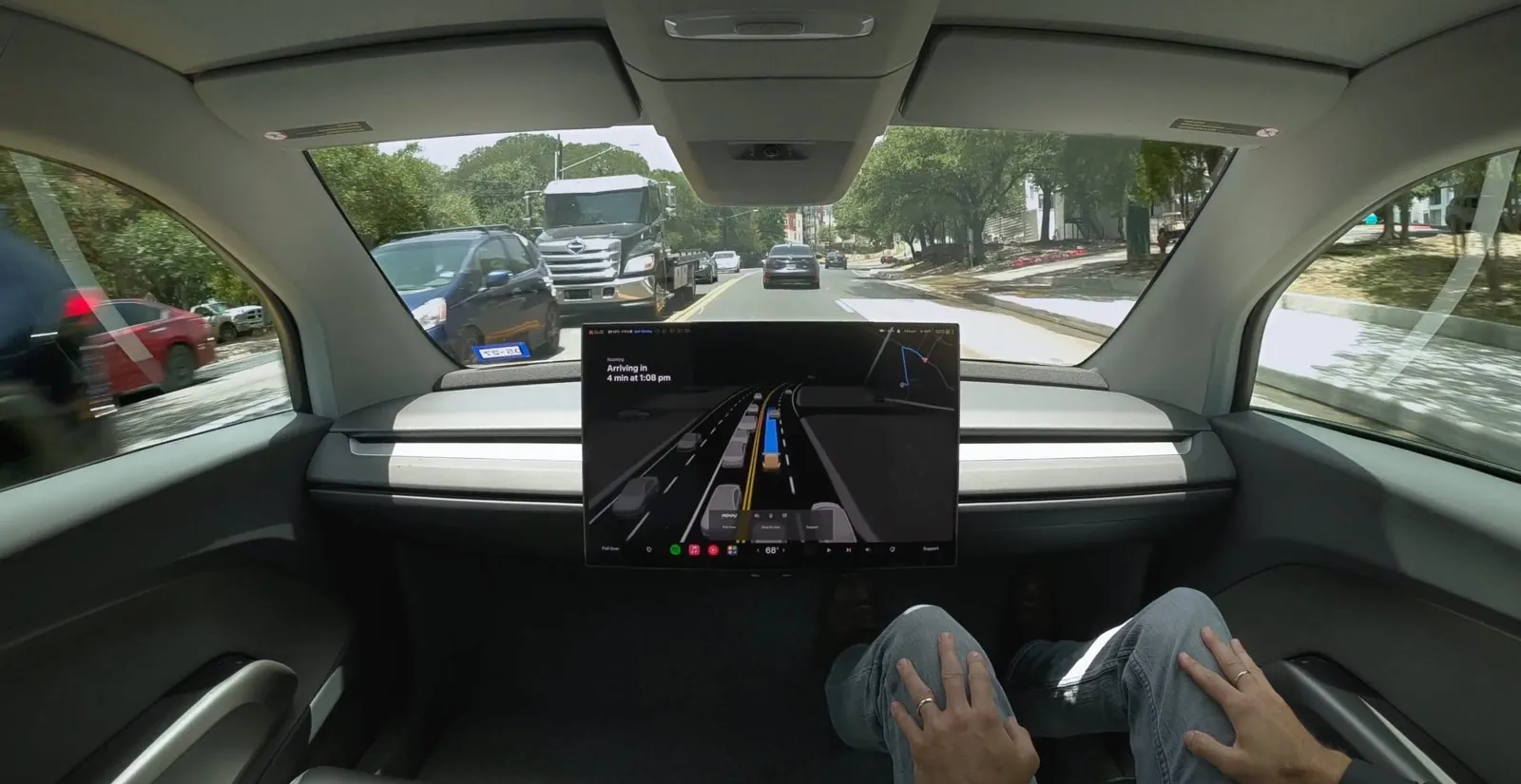
One day after the Cybercab started carrying paying passengers in Austin, Texas, U.S. auto safety regulators have formally opened an audit into how Tesla certified the purpose-built robotaxi for American roads. The National Highway Traffic Safety Administration (NHTSA) opened Audit Query AQ26002 on September 3, 2026 — the same day commercial service began — with an estimated population of 1,000 Cybercab vehicles.
The review, first reported by Drive Tesla Canada, is not a crash investigation and does not allege any defect. It is an examination of "the process and technical data on which Tesla relied when certifying the Cybercab and related issues," according to the agency's own filing.
What NHTSA is actually asking
The Cybercab has no steering wheel, no brake pedal, no gas pedal and no conventional side mirrors. Tesla notified NHTSA that it certified the vehicles as compliant with all applicable Federal Motor Vehicle Safety Standards (FMVSS) — and also that it plans to gradually expand deployment to additional vehicles and locations. The audit will scrutinize, among other things, the extent to which Tesla's certification depended on determining that certain FMVSS simply do not apply to a vehicle with no manual controls.
That is a live legal question, not a formality. U.S. safety rules are largely written around a human driver seated with manual controls available. The Department of Transportation has proposed updating some requirements — including rules around brake pedals — but those changes are not finished.
The numbers in the filing
- Investigation: AQ26002, opened 09/03/2026, prompted by public information
- Population: an estimated 1,000 Tesla Cybercab vehicles
- Austin fleet so far: Texas records showed only 45 Cybercabs registered with the DMV as of this week, per Drive Tesla Canada's earlier reporting
- Precedent: Zoox went through a similar review before receiving an exemption in July allowing up to 2,500 purpose-built autonomous vehicles per year for two years
Why it matters for Canada
No robotaxi service operates north of the border today, and no province has yet adopted a framework for commercial driverless rides. But Transport Canada and provincial regulators watch NHTSA's certification approach closely. If NHTSA's audit ends with formal determinations about which safety standards apply — or don't — to vehicles without manual controls, that framework will be the reference point English-speaking regulators, including Canada's, reach for when the first robotaxi applications arrive.
Looking for EV deals, insurance, or financing? Check out our partner deals and offers.
If you found this guide helpful, use our Tesla referral link for free Supercharging credits on a new Tesla purchase or lease in Canada.
Next story · swipe left
Next story
Canada’s Public Fast-Charging Network Sees More Usage But Slower Expansion
4 min read
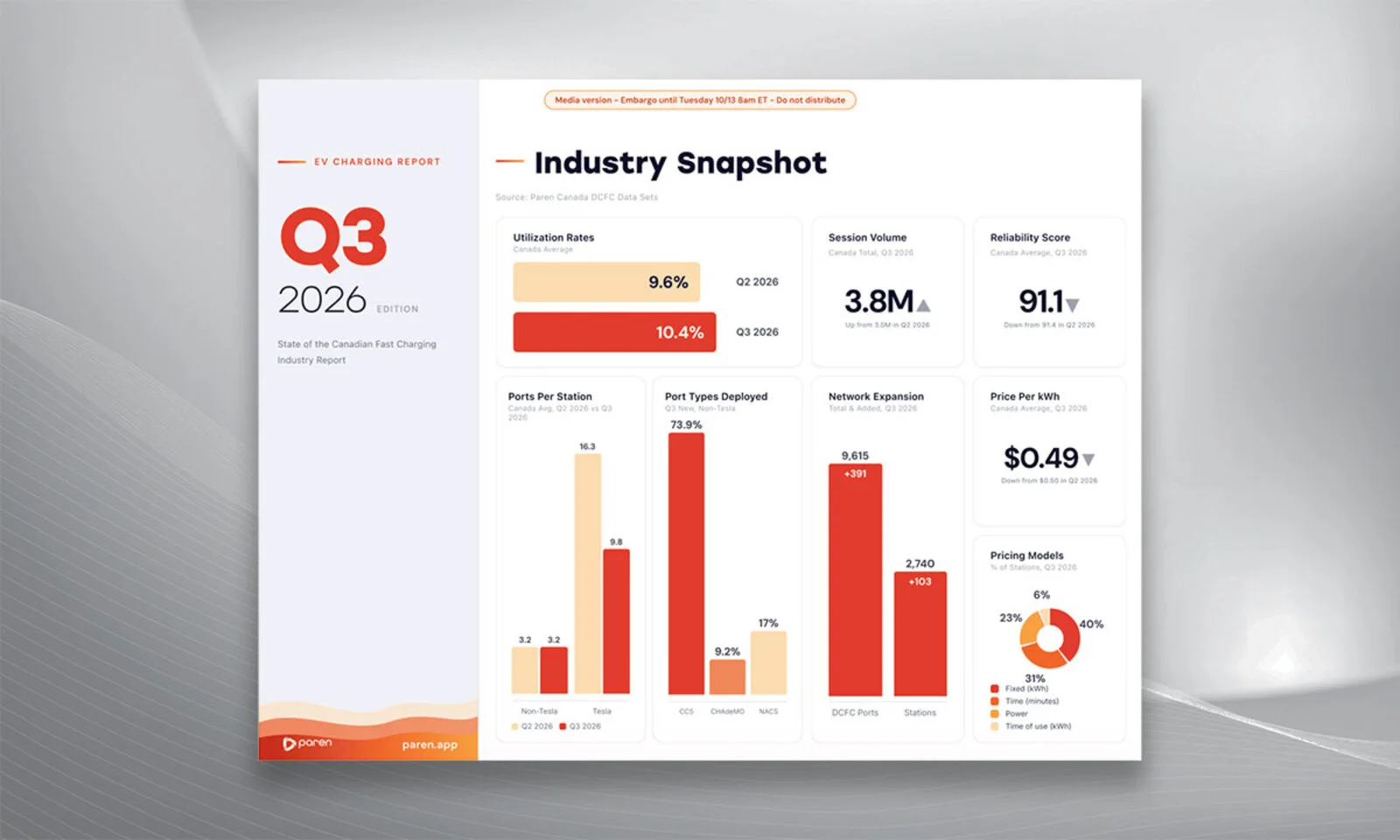
EV charging sessions up 37% year-over-year in Q3 2026, but new station openings lag behind infrastructure growth, according to Paren’s industry report.
The Charge Brief
Get Canada’s EV transition in your inbox
One email a day. No spam, unsubscribe anytime.