vehicles
batteryPorsche Taycan Battery Fire Lawsuit Moves Ahead Despite Arbitration Agreement
A U.S. judge has denied Porsche’s bid to dismiss a class-action lawsuit over Taycan battery fires, allowing claims by 2020–2024 owners to proceed — including Canadian drivers who faced three recalls and an 80% charge cap.
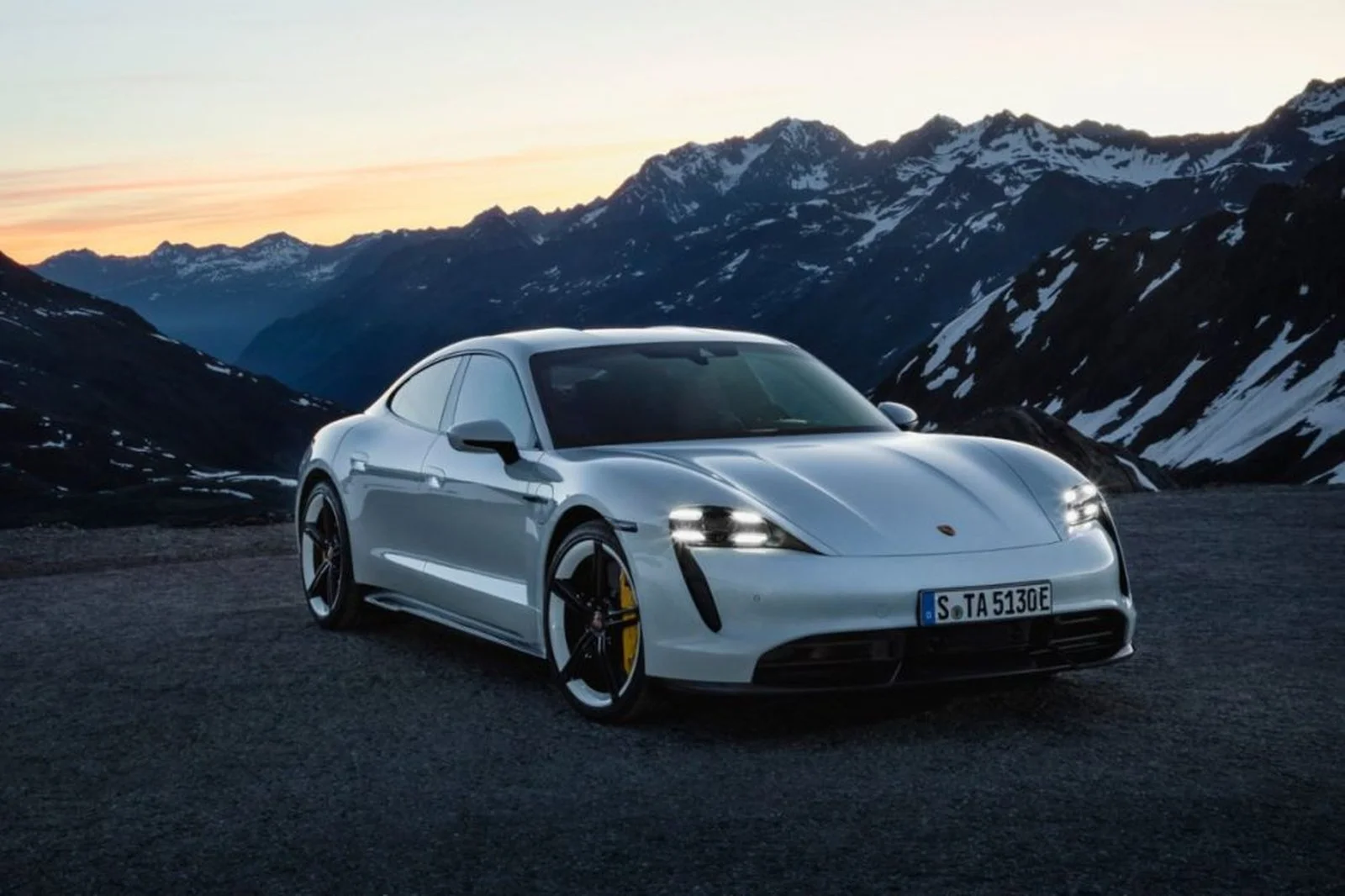
A class-action lawsuit over Porsche Taycan battery fires is moving forward after a judge rejected the company’s argument that owners had waived their right to sue. The ruling covers 2020 through 2024 Taycan models across all trims, a population that includes Canadian owners who were subject to three separate recalls and a manufacturer-recommended charging cap.
What the lawsuit alleges
Owners contend that the Taycan’s 800-volt battery pack is prone to catching fire, and that Porsche failed to adequately warn buyers or provide a full remedy. Porsche had asked the court to dismiss the case based on an arbitration agreement embedded in the vehicle purchase paperwork, which purports to bar class-action claims. The judge declined to enforce that clause and also threw out some individual owner claims, but kept the core case alive.
Canadian recall history
Porsche has already completed three Canadian recalls tied to the Taycan’s high-voltage system, including one over a rearview camera software issue. Rather than replacing all affected batteries, Porsche asked owners to charge their vehicles only up to 80 percent — a limitation that reduces overall range and shifts the burden of risk management onto drivers.
- Model years covered: 2020–2024 Taycan
- Core defect: 800-volt battery fire risk
- Current owner workaround: charge cap at 80%
- Canadian recalls completed: 3
Why the ruling matters
If the lawsuit proceeds to trial or settlement, Porsche may be forced to replace batteries rather than simply restrict charging. For Canadian Taycan owners still operating under the 80 percent cap, the outcome could determine whether the brand offers a full fix or continues to treat the limitation as an acceptable workaround.
The case also sets a precedent for how arbitration clauses in automotive purchase agreements hold up when safety defects span an entire model line. Courts have increasingly scrutinized such clauses in consumer product cases, and this ruling adds another data point suggesting that blanket arbitration waivers may not survive when a manufacturer’s own remedy is partial and ongoing.
Canadian owners who purchased or leased a Taycan between 2020 and 2024 should monitor the case docket for certification updates and any notice about joining the class. Until the suit resolves, the 80 percent charge recommendation remains in effect, and Porsche has not announced a timeline for a more permanent battery fix.
Looking for EV deals, insurance, or financing? Check out our partner deals and offers.
If you found this guide helpful, use our Tesla referral link for free Supercharging credits on a new Tesla purchase or lease in Canada.
Next story · swipe left
Next story
Norway Hit 98.7 Percent EV Share in August — What Canada Can Learn From the Last Mile
4 min read
Norway registered 13,451 new cars in August and 98.7 percent were electric — a record. Tesla fell to seventh as VW, Toyota and Chinese brands surged. Here is what the numbers say about the endgame of EV adoption, and where Canada stands.
The Charge Brief
Get Canada’s EV transition in your inbox
One email a day. No spam, unsubscribe anytime.