

technology
SpaceX Prepares for Starship Catch Attempt and Historic First Reflight
SpaceX is gearing up for a groundbreaking milestone in its Starship program: the first attempt to catch the massive rocket using its launch tower, a…
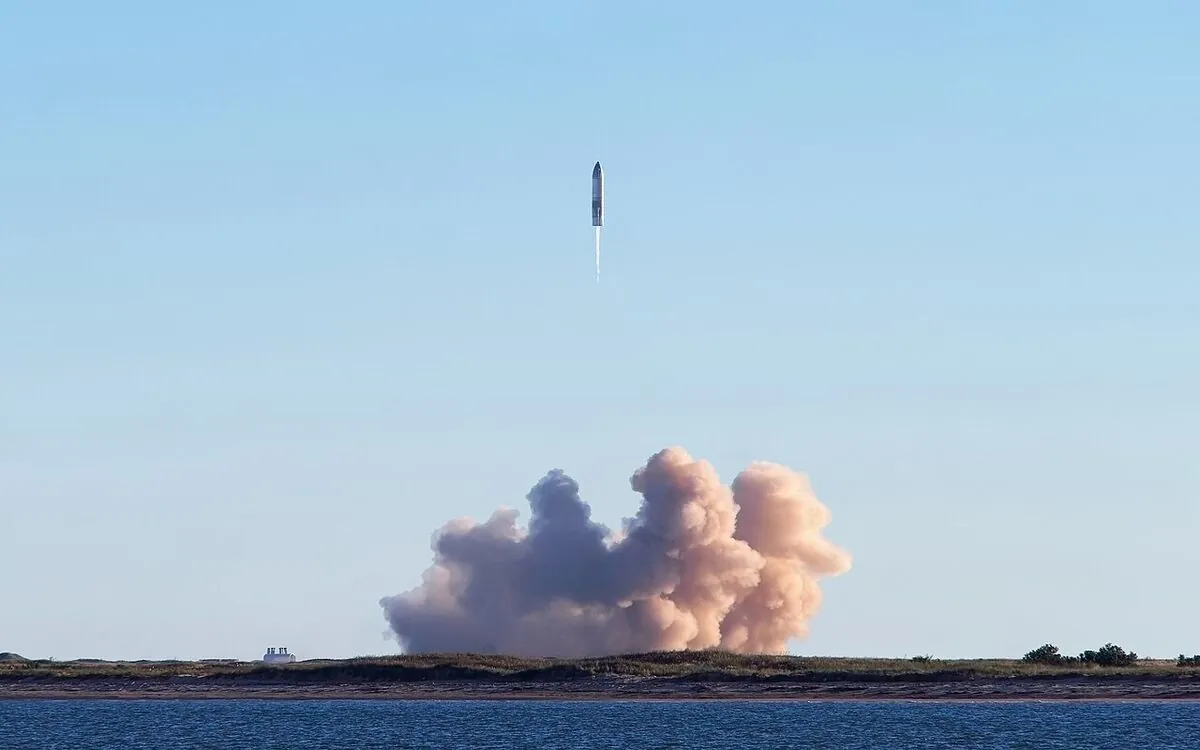
SpaceX is gearing up for a groundbreaking milestone in its Starship program: the first attempt to catch the massive rocket using its launch tower, a critical step toward full reusability. According to CEO Elon Musk, who shared the update on X (formerly Twitter), the company is making rapid progress following successful splashdown tests, with the ambitious catch test expected in the coming months.
This development marks a significant leap forward in SpaceX’s vision for Starship, which is designed to be the world’s first fully reusable orbital-class rocket. Unlike traditional expendable rockets, Starship’s reusability could dramatically reduce the cost of space travel, paving the way for missions to Mars and beyond. For Canadian space enthusiasts and industry watchers, this progress underscores the accelerating pace of private space innovation—and its potential implications for future collaborations, including satellite deployments and lunar missions under NASA’s Artemis program, in which Canada plays a role.
The Tower Catch: A High-Stakes Innovation
The tower catch concept involves using the launch tower’s mechanical arms—dubbed "chopsticks" by Musk—to snag the descending Starship booster mid-air as it returns to Earth. This method eliminates the need for landing legs, saving weight and streamlining the design. Recent tests have seen Starship prototypes perform controlled splashdowns in the ocean, refining the precision needed for the tower catch. Musk’s confidence suggests SpaceX is nearing operational readiness, though the maneuver remains highly complex.
“If successful, this will be a game-changer for rapid turnaround,” Musk posted, hinting at the possibility of relaunching the same Starship vehicle shortly after recovery—a first for orbital rockets. For context, SpaceX’s Falcon 9 boosters already land and are refurbished for reuse, but Starship’s scale and fully reusable architecture (including the upper stage) represent a generational leap.
Why This Matters for Canada
While Starship’s primary launch site is in Boca Chica, Texas, its success could have ripple effects for Canada’s space sector. The Canadian Space Agency (CSA) has partnered with NASA on the Artemis program, which relies on SpaceX’s Starship Human Landing System (HLS) to return astronauts to the Moon. A Canadian astronaut is slated to participate in a future Artemis mission, and advancements in Starship’s reusability could lower costs for these and other deep-space ventures.
Additionally, SpaceX’s Starlink satellite constellation—already providing internet service in remote Canadian communities—could benefit from cheaper, more frequent launches. With Starship’s payload capacity dwarfing that of current rockets, the economics of deploying large satellite networks or space-based infrastructure could shift dramatically.
Challenges and Timeline
Despite the optimism, significant hurdles remain. The tower catch requires flawless coordination between the descending booster and the launch structure, with no margin for error. Previous Starship tests have seen both successes and explosive failures, a reminder of the iterative (and often dramatic) nature of SpaceX’s development process.
Musk has not provided a specific date for the catch attempt, but the coming months could see a flurry of activity at Starbase, SpaceX’s Texas facility. Regulatory approvals from the FAA, which oversees U.S. commercial spaceflight, will also play a role in the timeline.
A Canadian Perspective
For Canadian observers, Starship’s progress is a testament to the pace of private space innovation—and a potential opportunity. Canada’s space industry, though smaller than NASA’s or SpaceX’s, has niche expertise in robotics (e.g., Canadarm) and satellite technology. As Starship moves closer to operational status, partnerships between SpaceX and Canadian firms or agencies could emerge, particularly in areas like lunar surface systems or in-orbit servicing.
In the meantime, space enthusiasts north of the border will be watching closely as SpaceX attempts one of its most daring feats yet: turning science fiction into reality, one tower catch at a time.
Looking for EV deals, insurance, or financing? Check out our partner deals and offers.
If you found this guide helpful, use our Tesla referral link for free Supercharging credits on a new Tesla purchase or lease in Canada.
Next story · swipe left
Next story
Waymo — “A look under our trunk: what’s in our compute”
3 min read
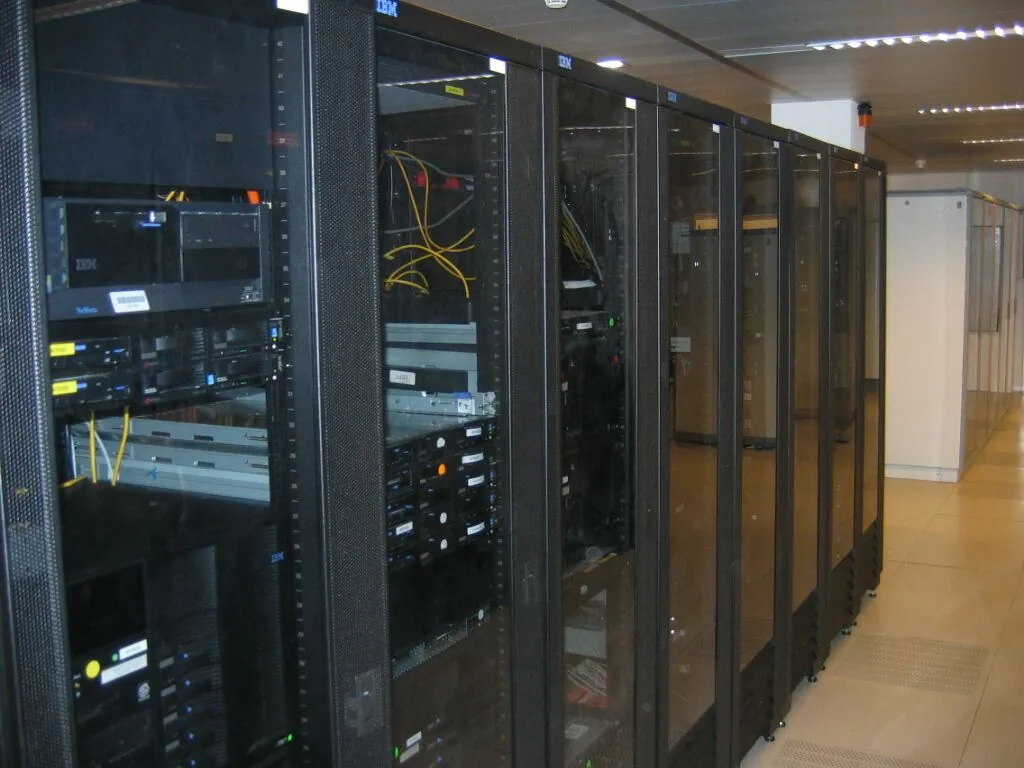
Waymo has offered a rare glimpse into the advanced computing hardware powering its autonomous driving system, providing new insights into the technology…
The Charge Brief
Get Canada’s EV transition in your inbox
One email a day. No spam, unsubscribe anytime.