
deals
Polestar Cuts Canadian Prices Up to C$15,000 as U.S. Exit Reshapes Strategy
Polestar is slashing prices across its Canadian lineup by up to C$15,000, doubling down on Canada after the U.S. connected-vehicle ban effectively shut the automaker out of the American market for 2027.
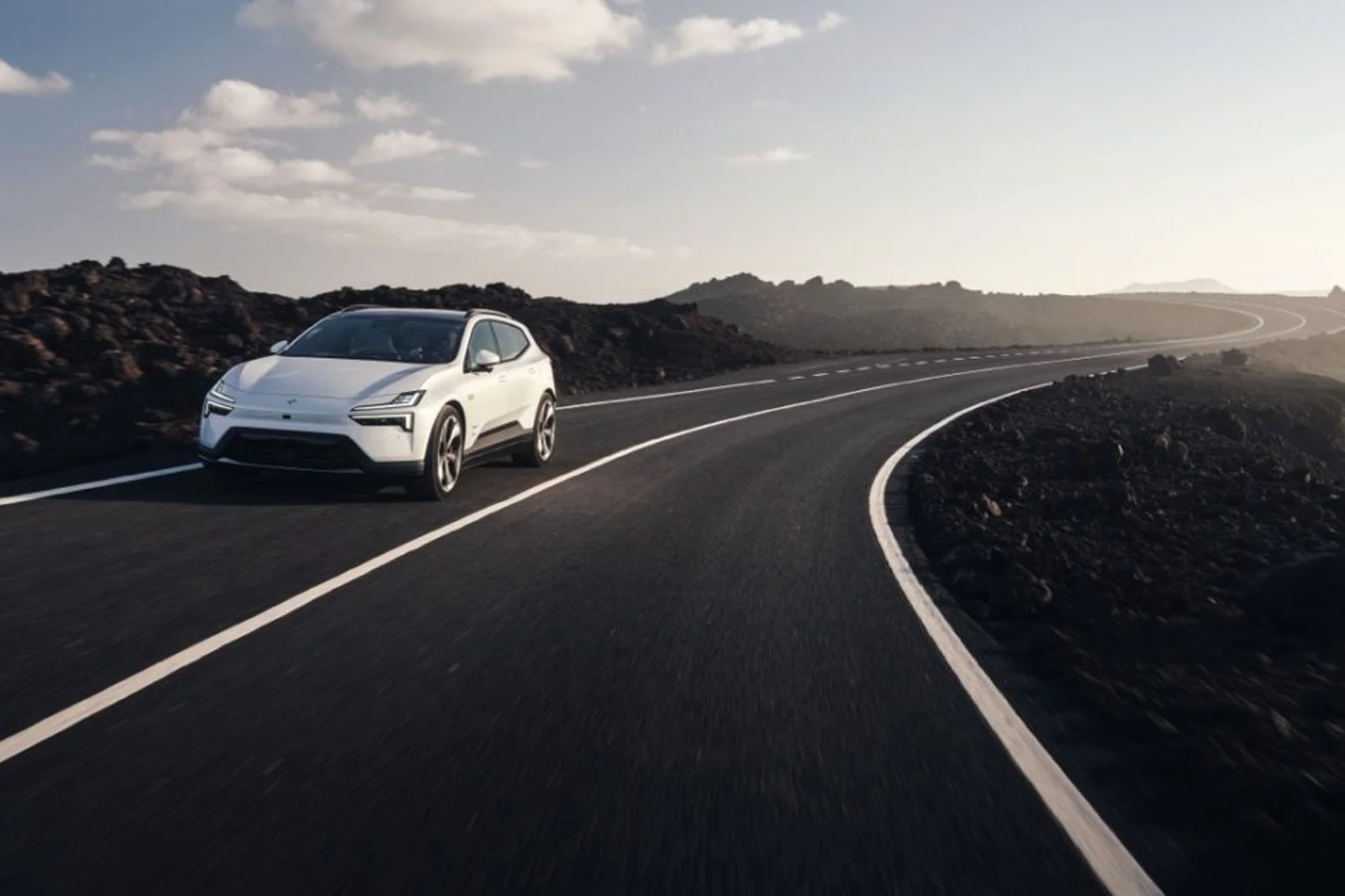
Polestar is cutting Canadian prices by up to C$15,000 across its lineup, a move that coincides with the Swedish-Chinese automaker's forced exit from the U.S. market ahead of a 2027 connected-vehicle ban on Chinese software and hardware.
The price cuts
According to eletric-vehicles.com reporting from September 22, the reductions apply to both the Polestar 2 and Polestar 3 in Canada. The Polestar 2 — already Canada's most affordable premium EV sedan — sees cuts that bring its effective pricing closer to the C$50,000 threshold that unlocks federal iZEV rebate eligibility in some configurations. The Polestar 3, positioned as a luxury electric SUV, receives the deepest discounts of up to C$15,000.
This is not a limited-time "alternative cash discount" like the C$25,000 offer on the Polestar 3 in June 2025. These are permanent MSRP reductions that apply at the point of sale, including for leased vehicles.
Why now? The U.S. door closes
The timing is no coincidence. In June 2026, the U.S. Department of Commerce finalized rules banning Chinese-connected vehicle software and hardware — effectively preventing Polestar (majority-owned by China's Geely) from selling its 2027 model year vehicles in the United States. Polestar confirmed it would exit the U.S. market rather than develop a separate non-Chinese software stack.
With the U.S. — previously Polestar's largest single market — closed off, Canada becomes the company's most critical North American market by default. The price cuts serve two purposes: defending market share against Tesla, Hyundai, and incoming Chinese competitors like BYD, and maximizing volume in the one North American market where Polestar can still sell freely.
Canada's unique position in the China-EV trade picture
Canada's January 2026 trade deal with Beijing replaced the 100% surtax on Chinese-made EVs with a 6.1% tariff under an annual quota of 49,000 vehicles (split into two 24,500-vehicle windows). Polestar, which builds the Polestar 2 and 3 in China, qualifies for this quota system — but vehicles imported under the quota are ineligible for the federal C$5,000 iZEV rebate.
This creates a pricing squeeze: Polestar must absorb the tariff disadvantage while remaining competitive against Tesla (which produces Model Y in the U.S. and Shanghai) and Korean/Japanese rivals that qualify for the rebate. The C$15,000 price cut on the Polestar 3 effectively offsets the missing iZEV incentive plus a meaningful margin.
What this means for Canadian buyers
For shoppers cross-shopping the Polestar 3 against the Tesla Model Y, BMW iX, or Genesis GV60, the new pricing makes a compelling case — especially for buyers who value Polestar's Google-built infotainment, Scandinavian design, and Volvo-derived safety architecture. The Polestar 2, now priced closer to the Model 3, becomes one of the strongest value propositions in the premium EV sedan segment.
Polestar has not announced an end date for the reduced pricing. With 2027 model year production already shifting to serve European and Canadian demand exclusively, the cuts are likely to persist through the model cycle.
Looking for EV deals, insurance, or financing? Check out our partner deals and offers.
If you found this guide helpful, use our Tesla referral link for free Supercharging credits on a new Tesla purchase or lease in Canada.

Next story · swipe left
Next story
EV Leasing in Canada 2026: Best Deals, Residuals, and Lease vs Buy
6 min read
EV leasing in Canada is changing in 2026 — residual values, lease terms, incentives, and whether leasing or buying an electric car makes more sense right now.
The Charge Brief
Get Canada’s EV transition in your inbox
One email a day. No spam, unsubscribe anytime.