
deals
EV Leasing in Canada 2026: Best Deals, Residuals, and Lease vs Buy
EV leasing in Canada is changing in 2026 — residual values, lease terms, incentives, and whether leasing or buying an electric car makes more sense right now.

Leasing an EV in Canada used to be simpler than buying one, because residuals were predictable and incentives were easy to apply. In 2026, that formula is shifting. EV residuals are softening as technology evolves faster, lease terms are stretching longer, and manufacturers are redesigning incentive structures to match federal rebate rules. Buyers who understand the new landscape can still find excellent lease deals, but the old assumptions need updating.
Why EV Leasing Is Different Now
Battery technology is improving quickly, which means a 2026 EV may feel outdated by 2029. That makes leasing attractive: you return the car before its technology becomes obsolete, and the manufacturer absorbs the depreciation risk. The catch is that residuals are lower than they were three years ago, which raises monthly payments even when incentives are applied. Some manufacturers are responding with longer lease terms — 48 or even 60 months — to keep payments manageable.
Best EV Lease Deals in Canada
In 2026, the strongest lease values are typically found on mass-market models with high reliability and strong parts availability. The Chevrolet Equinox EV, Hyundai Ioniq 5, and Kia EV6 often appear in manufacturer lease promotions because they represent volume goals rather than halo products. Luxury EV leases — including BMW iX and Audi Q8 e-tron — can offer surprisingly low payments when manufacturers are clearing inventory, but buyers should read the fine print on mileage caps and wear limits.
Federal and Provincial Incentives
Canada’s federal EVAP program and the remaining provincial rebates — PEI, Manitoba, Yukon, Quebec, Newfoundland and Labrador, and the Northwest Territories — still apply to leased EVs, but the allocation rules vary. Some incentives are applied at point of sale and transferred to the lessor, which can complicate negotiations. The Northwest Territories’ grid-dependent rebate (up to $7,500) is now the richest in the country, followed by Yukon at up to $5,000; British Columbia has paused its passenger rebate entirely. Buyers should confirm incentive eligibility before signing, because used EV leases often do not qualify.
Leasing vs Buying
Buying an EV makes sense if you plan to keep it long-term and want to build equity. The federal rebate is applied directly to the purchase price, which reduces financing costs immediately. Leasing makes sense if you want a new car every three or four years, want warranty coverage for the entire term, or believe the next generation of EVs will be significantly better. For Canadian buyers who drive 20,000 km or fewer annually, leasing is often the lower-risk choice.
Looking for EV deals, insurance, or financing? Check out our partner deals and offers.
If you found this guide helpful, use our Tesla referral link for free Supercharging credits on a new Tesla purchase or lease in Canada.
Next story · swipe left
Next story
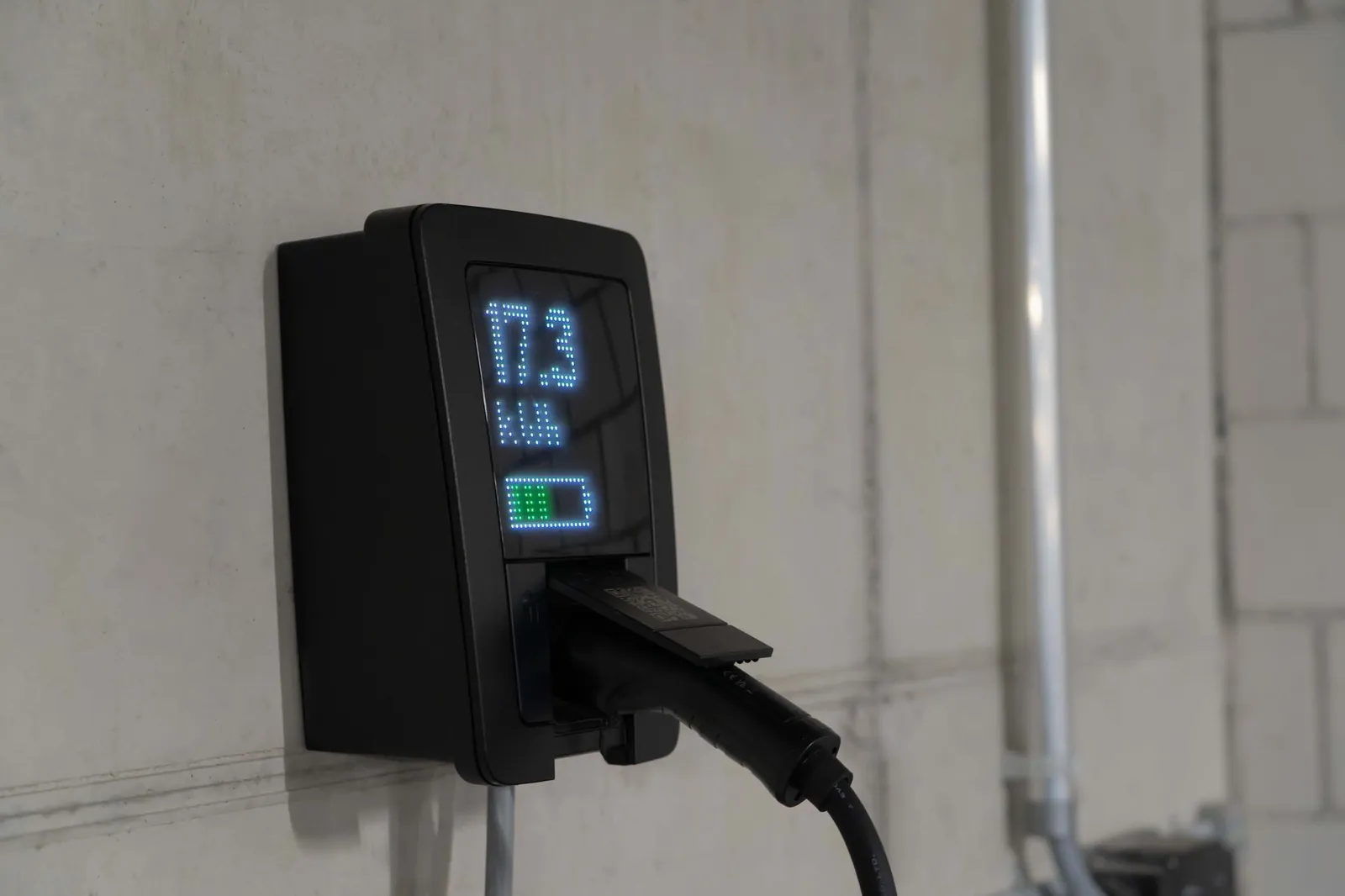
EV Charging Speed Explained: kW, Amps, and What Actually Matters
6 min read
EV charging speed depends on more than just the charger’s kW rating. Here is what onboard chargers, battery chemistry, temperature, and station capacity mean for Canadian drivers.
The Charge Brief
Get Canada’s EV transition in your inbox
One email a day. No spam, unsubscribe anytime.