
policy
Nova Scotia EV Levy Takes Effect Oct. 1: $500 Every Two Years for EV Owners
Nova Scotia becomes the fourth province to tax electric vehicles, charging $500 per registration renewal for EVs and $250 for plug-in hybrids starting October 1, 2026. Traditional hybrids are exempt.
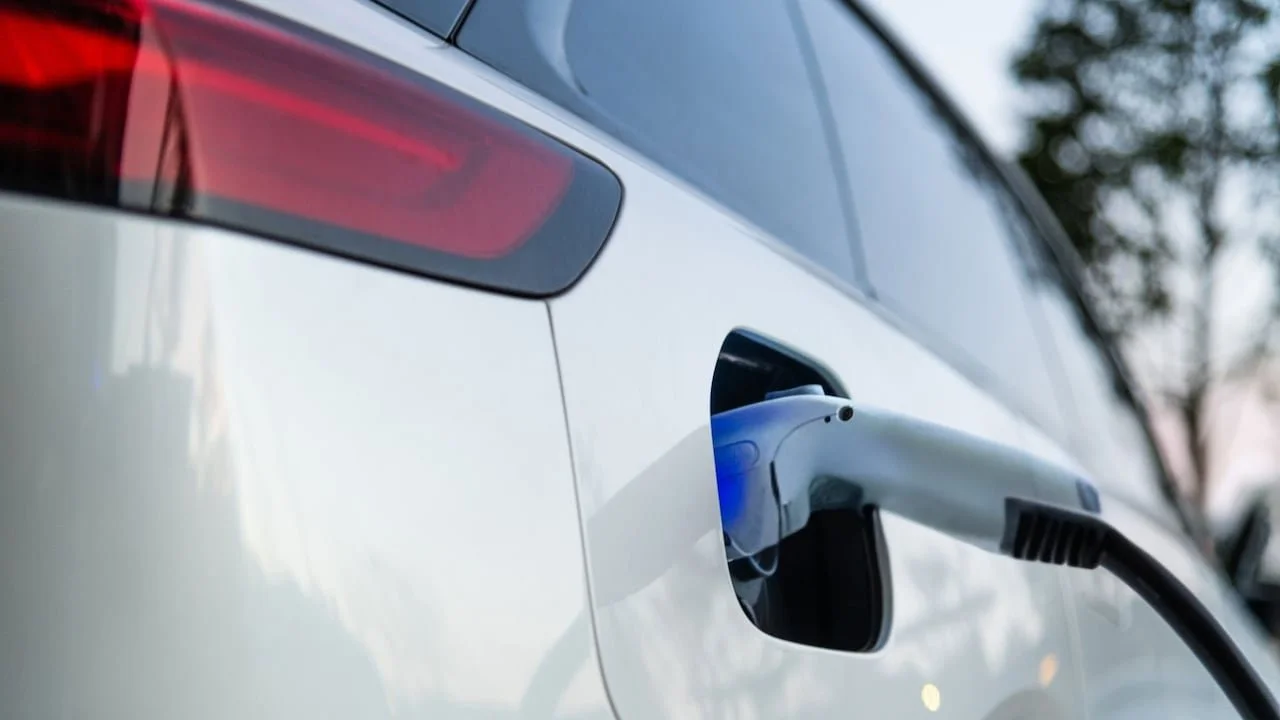
Nova Scotia will become the fourth Canadian province to impose a dedicated tax on electric vehicles when a new levy takes effect on October 1, 2026. Electric vehicle owners will pay an additional $500 every two years when renewing their registration, while plug-in hybrid owners will pay $250. Traditional hybrids — those that cannot be plugged in — are exempt.
Budget measure now law
The levy was introduced in the provincial government's most recent budget as a way to ensure drivers who pay little or no fuel tax at the pump still contribute to road maintenance. With about 5,500 EVs and 4,500 plug-in hybrids registered in the province, Finance Department officials estimate the fee will bring in about $1.9 million per year.
For context, paving one kilometre of a two-lane highway costs over $1 million, while resurfacing costs $700,000 per kilometre, according to the Public Works Department.
How Nova Scotia compares
Nova Scotia joins three other provinces with EV-specific fees:
- Saskatchewan: $300 per year ($600 per two-year renewal)
- Alberta: $200 per year ($400 per two-year renewal)
- Quebec: Plans to introduce a $125 per year fee in 2027
Nova Scotia's $500 per two-year renewal ($250 per year equivalent) sits between Saskatchewan and Alberta. The fees apply to passenger vehicles, light trucks, and vans, but exempt municipal, fire, and police vehicles.
Advocates call it punitive
EV owners and advocates have criticized the levy as punitive, arguing it discourages adoption at a time when the federal government is pushing for 100% zero-emission vehicle sales by 2035. A February 2026 CBC report quoted Nova Scotia EV drivers who said the fee feels like a penalty for choosing cleaner transportation.
The province counters that road funding must be sustainable as fuel tax revenue declines. The levy is structured as a registration surcharge rather than a per-kilometre charge, meaning low-mileage EV owners pay the same as high-mileage drivers.
What this means for buyers
For Nova Scotians considering an EV or plug-in hybrid, the levy adds $250–$500 per year to the total cost of ownership. On a five-year ownership cycle, that's $1,250–$2,500 in additional fees — roughly equivalent to a 2–4% price increase on a $50,000 vehicle.
Buyers should factor this into their calculations alongside the federal EVAP rebate (up to $5,000 for BEVs, $2,500 for PHEVs) and any remaining provincial incentives. Nova Scotia ended its provincial EV rebate program in recent years, so the levy further tilts the economics toward gas and conventional hybrid vehicles.
Looking for EV deals, insurance, or financing? Check out our partner deals and offers.
If you found this guide helpful, use our Tesla referral link for free Supercharging credits on a new Tesla purchase or lease in Canada.

Next story · swipe left
Next story
Tesla Extended Service Agreement Canada: Is It Worth Buying?
7 min read
We read Tesla Canada's actual Extended Service Agreement so you don't have to — what it covers, what it excludes, how much it costs per month, and who should buy it.
The Charge Brief
Get Canada’s EV transition in your inbox
One email a day. No spam, unsubscribe anytime.